

The traditional oil change has evolved significantly over the years. What once meant a complete vehicle lubrication service, from ball joints to universal joints to door hinges, has become a much more streamlined process focused primarily on the oil and filter. However, modern service shops and vehicle manufacturers are reminding car owners that skipping lubrication components during routine maintenance could lead to costly repairs down the road.
The Shift in Vehicle Maintenance Practices
Today’s vehicles require far less frequent lubrication than those from decades past. Modern engineering has made most moving parts more durable and less dependent on regular greasing. Yet this reduced maintenance burden has created a misconception: that an oil change is simply about draining old oil and installing a new filter. The reality is more nuanced, and understanding this distinction can help you protect your investment.
Many shops refer to an oil change as an LOF, short for lubrication, oil, and filter. The acronym itself reveals what a comprehensive service should include, though the ‘L’ is often overlooked in practice. Aftermarket manufacturers continue to produce components with grease fittings specifically designed to accept lubrication during routine service intervals. These ball joints, tie-rod ends, and suspension components are engineered to work optimally when properly maintained.
What Modern Vehicles Still Need
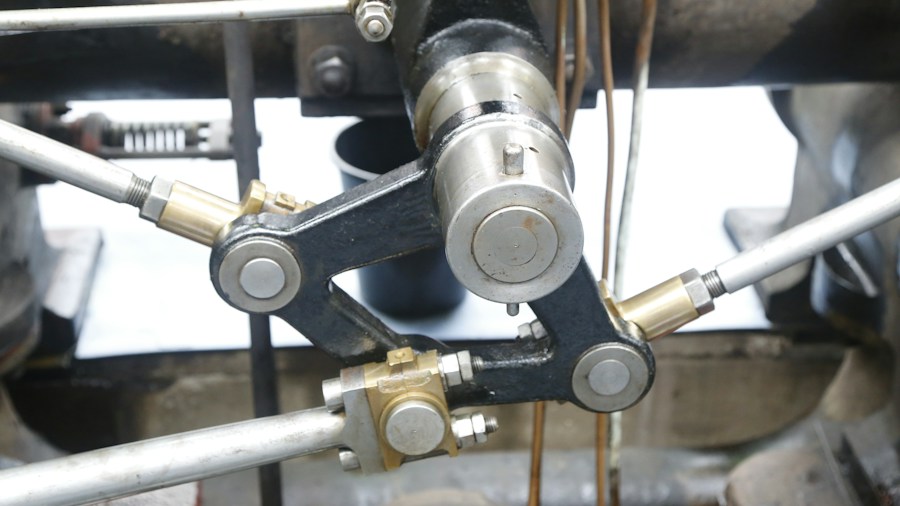
Vehicle service manuals clearly specify that certain components require periodic lubrication. Door hinges and liftgate supports are prime examples. These moving parts benefit greatly from targeted lubrication, and many manufacturers recommend addressing them during your scheduled oil change visits. When you choose a repair facility, verifying that they understand these requirements matters significantly to your vehicle’s long-term reliability.
The challenge for car owners is knowing what should and should not be lubricated on their specific vehicle. Not all newer cars have grease fittings on suspension components. Some employ sealed joints that never require lubrication. This is where consulting your owner’s manual or speaking with a knowledgeable technician becomes invaluable. A shop that still embraces the full LOF concept will review your vehicle’s specifications and recommend appropriate lubrication services as part of your oil change appointment.
Choosing the Right Service
When scheduling an oil change, you should also consider the condition of other fluid systems in your car. Selecting the correct oil filter type, whether spin-on or cartridge, contributes to overall system performance. During the same visit, your technician can assess whether ball joints require attention, whether door mechanisms move smoothly, and whether the liftgate operates without squeaking.
Modern motor oils have also advanced considerably. Some formulations include properties that reduce friction across engine components, while products like oil extenders promise extended change intervals under certain driving conditions. Understanding what grade and type of oil your vehicle requires remains fundamental, but pairing that knowledge with proper lubrication of other systems creates a more complete maintenance picture.
What This Means for Your Wallet

Investing in comprehensive maintenance now prevents expensive problems later. A seized ball joint or a broken liftgate support can cost hundreds or thousands to replace. Regular lubrication is a low-cost preventive measure that extends component lifespan significantly. Additionally, well-maintained suspension and door systems contribute to vehicle safety and overall driving comfort.
The automotive aftermarket industry continues to champion lubrication as essential maintenance because the data supports it. Products designed for ball joint greasing and suspension lubrication remain popular precisely because they solve real problems. When you schedule your oil change, ask your service shop whether they perform lubrication of suspension components and door systems. A shop that proudly offers comprehensive LOF service demonstrates commitment to your vehicle’s complete health.
Finding the Right Shop
Not all oil change services are equal. Some facilities focus solely on draining and refilling while others take a more holistic approach to vehicle maintenance. When researching service providers, inquire specifically about their lubrication practices. Do they inspect ball joints and suspension components? Do they lubricate door hinges and liftgates? Do they follow the vehicle manufacturer’s service manual recommendations?
Modern premium motor oils, including premium formulations used in performance applications, perform best within a complete maintenance ecosystem. That ecosystem includes regular lubrication of all specified components, not just oil and filter replacement. Taking time to find a shop that understands and practices comprehensive LOF service will pay dividends in vehicle reliability, longevity, and ultimately, your satisfaction as an owner.










Write Your Review
No reviews yet. Be the first to share your experience!