

A Landmark Dealership Shuts Down
The motorcycle industry is experiencing another significant loss. Historic Harley-Davidson in Topeka, Kansas, a dealership that had served riders for more than three-quarters of a century, has permanently closed its doors. The closure marks the end of an era for a business that had been family-owned and operated since 1949, when the original founder first opened the location seven decades ago.
The dealership’s closure happened just months after Steve Towers, a Harley-Davidson franchise network operator based in the Midwest and Southeast, purchased the business in February 2025 from its long-time owner, Mike Patterson. Patterson’s family had maintained ownership through four generations before the sale. Towers officially shut down the location on October 28, citing the need to reallocate resources and focus on markets with stronger growth potential.
Why the Dealership Closed
In his announcement, Towers stated that closing any dealership is never an easy choice, but that his organization must continuously evaluate operations to ensure long-term success. He emphasized that the decision to close Historic Harley-Davidson allows his company to strengthen existing locations and concentrate on regions where demand appears strongest. The original plan had called for relocating the dealership to a different Topeka site within a year of the purchase, but that plan did not materialize.
Towers has a track record of acquiring established businesses and making strategic decisions about their viability. He previously developed the third-largest Midas franchise network in the country and built a significant portfolio of Big O Tires locations. His other Harley-Davidson dealerships, located in Nebraska, North Carolina, Kentucky, Louisiana, and Iowa, continue to operate normally. Towers noted that the Topeka closure does not reflect any financial instability across his broader dealer network.
What This Means for the Broader Harley Market
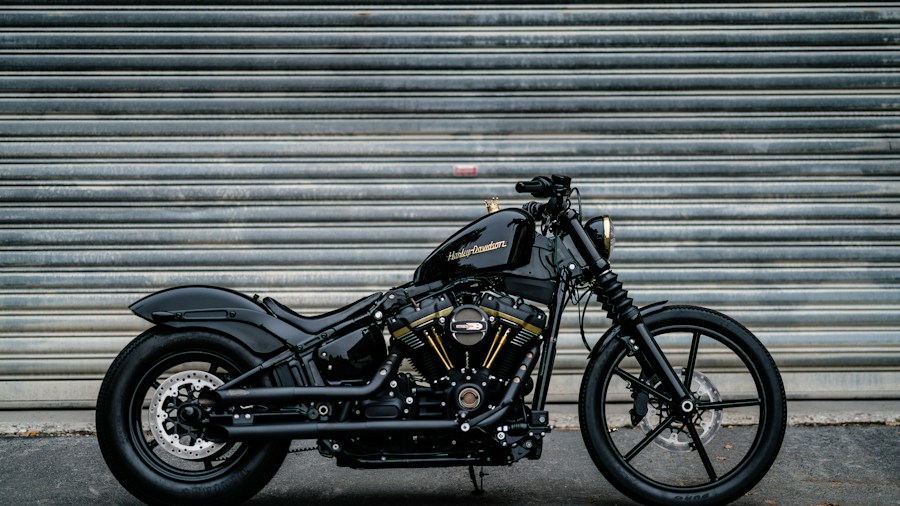
Unfortunately, the Topeka dealership’s closure is not an isolated incident. The motorcycle industry has witnessed multiple Harley-Davidson dealership shutdowns in recent years, signaling broader challenges in the franchise landscape. These closures represent a troubling trend for consumers who rely on authorized dealers for service, parts, and purchasing options.
For riders in the Topeka area and surrounding Kansas regions, the loss of this historic location may mean traveling farther to reach authorized Harley-Davidson service centers and dealerships. Customers seeking warranty work, maintenance, or new bike purchases will need to explore alternative locations or franchises.
The dealership closures come at a time when Harley-Davidson faces various industry pressures. The company recently made significant strategic decisions, including discontinuing support for its LiveWire electric motorcycle division, redirecting focus toward its core cruiser and touring markets. On a more positive note, the manufacturer has introduced new entry-level models, including the upcoming Sprint 440, designed to attract younger and budget-conscious riders.
Impact on Consumers and the Industry
Dealership consolidation and closures create real consequences for motorcycle enthusiasts. When long-standing retailers shut down, customers lose access to established service relationships, knowledgeable staff, and community connections that these businesses often provide. Many dealerships like Historic Harley-Davidson become local landmarks where riders gather and share their passion for the brand.
The trend of dealership closures may also signal challenges in franchise profitability. Dealers face pressures from changing consumer preferences, online shopping options, and the need for specialized service departments to remain financially viable. For franchise operators like Towers, difficult decisions about which locations to maintain versus close reflect the business realities of operating in a competitive market.
Consumers shopping for Harley-Davidson motorcycles should be aware of their local dealer options and plan accordingly for service and support. If your nearest authorized dealership has limited availability, research nearby locations now rather than waiting until you need urgent maintenance or warranty service. Additionally, pay attention to any service bulletins or recalls issued by the manufacturer, as these may affect your ownership experience.
The closure of Historic Harley-Davidson serves as a reminder that the motorcycle retail landscape continues to evolve. While these changes create challenges, they also reflect the industry’s ongoing transformation as manufacturers and dealers adapt to modern market conditions and consumer expectations.











Write Your Review
No reviews yet. Be the first to share your experience!