

Toyota has announced a recall affecting approximately 62,000 Tundra pickup trucks due to defective camshafts that could snap during operation. The recall covers certain nonhybrid models from 2022, 2023, 2025, and 2026 model years, with the company estimating that roughly 300 affected parts were installed across these vehicles. A broken camshaft could cause engine power loss at highway speeds and create an increased risk of accidents, making this a serious safety concern for affected owners.
The problem stems from a single production batch supplied by one manufacturer. Toyota has committed to providing free camshaft inspections and replacements where necessary, with owners expected to receive notification by mid January 2027. However, the recall process raises particular questions for owners who have already undergone engine replacement or repair work on their trucks.
Understanding Coverage for Previously Repaired Trucks
Many Tundra owners are understandably confused about whether this new recall applies to their vehicle, especially those who paid for major engine work in the past year or two. The key issue is that simply knowing your truck received an engine replacement is not enough to determine eligibility for this particular campaign. Instead, you need to match your specific vehicle’s repair history against the recall’s coverage criteria.
Your vehicle identification number (VIN) along with documentation of any previous engine repairs is essential. Toyota’s announcement mentions “certain recall remedy engine assemblies,” which indicates that even replacement engines can be affected. However, the same applies in reverse: an engine replacement does not automatically guarantee that your truck is included in this campaign. Each situation requires individual assessment based on when the repair occurred, which components were installed, and the truck’s specific model year and production date.
Three Critical Questions to Ask Your Dealer
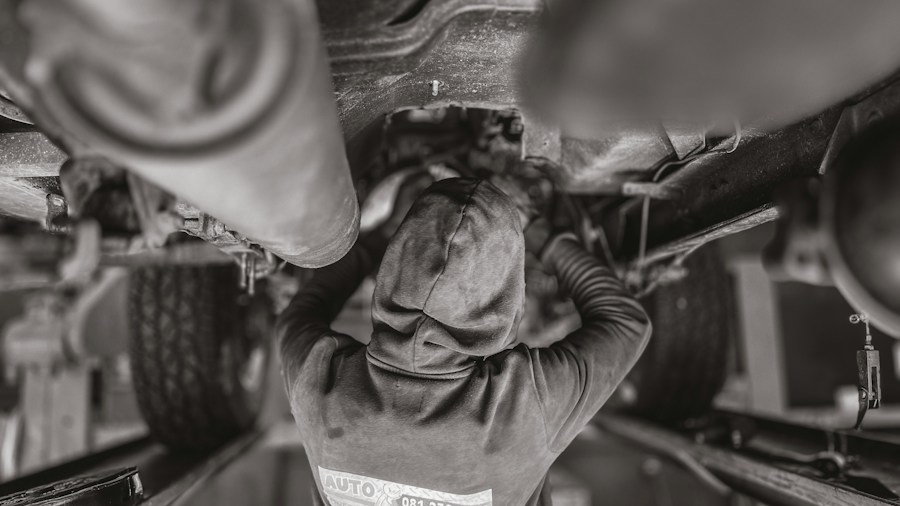
Before scheduling an appointment, take these steps to get clarity on what repair you actually need:
- Request a VIN specific check: Have your dealer look up the new camshaft campaign using your VIN and request that they review it separately from any earlier engine recall. This ensures you are getting information about this specific defect, not a previous repair.
- Understand the proposed work: Ask the service department to identify exactly what the inspection will involve and which parts might need replacement. Not all engine appointments are complete engine replacements; this one involves targeted inspection and camshaft replacement only if needed.
- Get logistics in writing: A free repair does not automatically mean the dealer will provide a loaner vehicle, arrange transportation, or complete the work quickly. Ask about parts availability, estimated repair time, and what arrangements exist if your truck must stay at the shop.
The confusion around this recall partly stems from the fact that Toyota owners have been dealing with multiple distinct recalls in recent model years. An earlier campaign addressed manufacturing debris that could damage main bearings in certain 2024 Tundras. The new camshaft defect is a completely different problem. If you had engine work done previously, providing the completed repair order from that service appointment will help your dealer distinguish between campaigns and give you an accurate answer about whether this new recall applies to your truck.
Why Repair Documentation Matters for Resale

The paperwork from any engine repair stays with your vehicle and can affect its value when you sell or trade it in. A detailed repair order showing the date, mileage, components used, and work performed gives you documentation that can be shown to a future buyer or appraiser. Similarly, clarity about this recall repair and what was actually done will become part of your truck’s service history.
Before committing to another dealer visit, confirm in writing what the dealer found and what they completed. This is especially important if you are at all concerned about the vehicle’s long term value or if you plan to sell it within the next few years.
Taking the Next Step
Toyota recommends that owners check recall status online using their VIN or license plate number. Owners who have previously had engine work should go a step further and speak directly with the service department about how this particular campaign intersects with their repair history. Much like other recent truck recalls, clarity comes from matching the specific vehicle data, not from general assumptions about coverage.
The key question you want answered is straightforward: does your truck fall within this recall’s scope, and if so, what will the inspection and repair actually involve? Once you have that information in writing, you can make an informed decision about scheduling the work and what to expect during the repair process.











Write Your Review
No reviews yet. Be the first to share your experience!