

General Motors is exploring the development of a direct competitor to the Ford F-150 Raptor, marking a significant shift in the high-performance pickup truck segment after more than 16 years of Ford’s dominance in the category. This move could reshape the landscape for truck shoppers seeking extreme off-road capability and raw power, particularly those comparing top-tier performance models.
The Gap GM Needs to Fill
Ford established the performance pickup category when it introduced the first F-150 SVT Raptor in 2010, powered by a 5.4-liter V8 engine producing 320 horsepower and 390 pound-feet of torque. For more than a decade and a half, General Motors has lacked a true answer to this truck, even as other manufacturers developed their own competitors. The current Chevrolet Silverado 1500 ZR2, GM’s flagship off-road model, starts at $79,995 and features a naturally aspirated 6.6-liter V8 with 481 horsepower and 501 pound-feet of torque, which the company touts as the most powerful engine of its kind in the class.
However, automotive analysts note that the ZR2, while highly capable, cannot match the Raptor’s high-speed desert performance characteristics, wide-track suspension design, extended body width, or the extreme horsepower levels found in the highest-tier rivals. F-150 market shifts have already impacted pricing and availability, making now an interesting time for competitive entries in this segment.
The Competition Has Elevated
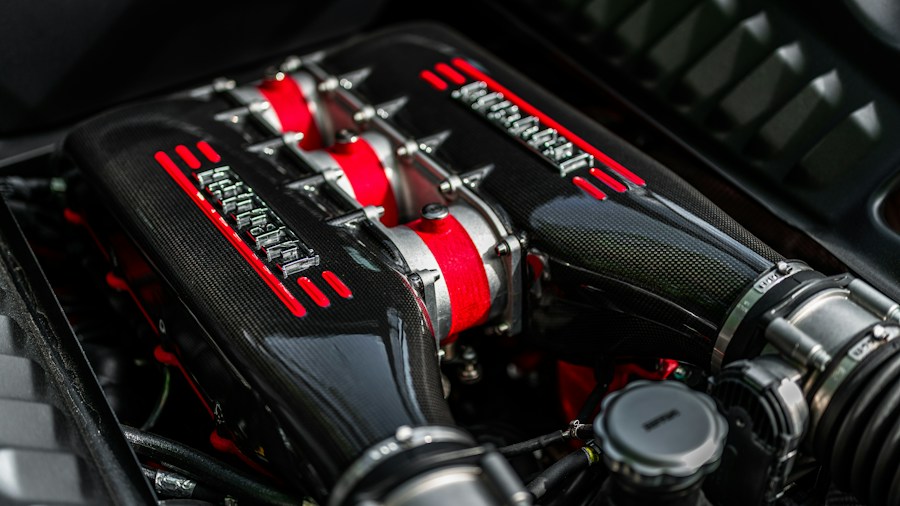
The competitive bar for a Raptor alternative has climbed substantially. The current F-150 Raptor uses a 3.5-liter twin-turbocharged EcoBoost engine rated at 450 horsepower and 510 pound-feet of torque. The more extreme F-150 Raptor R steps up to a supercharged 5.2-liter V8 with 720 horsepower and 640 pound-feet. Ram raised the stakes further with its revived 1500 SRT TRX, which employs a supercharged 6.2-liter V8 producing 777 horsepower and 680 pound-feet of torque.
To compete at this level, any GM rival would likely need forced induction, whether through supercharging or turbocharging. Industry observers believe GM’s new generation 6 small-block V8 engine could be an ideal candidate for such modifications. Additionally, a true competitor would require the wide-body styling cues and suspension geometry that characterize these specialized trucks, features that would require significant manufacturing adjustments and additional investment in production facilities.
Why This Took So Long
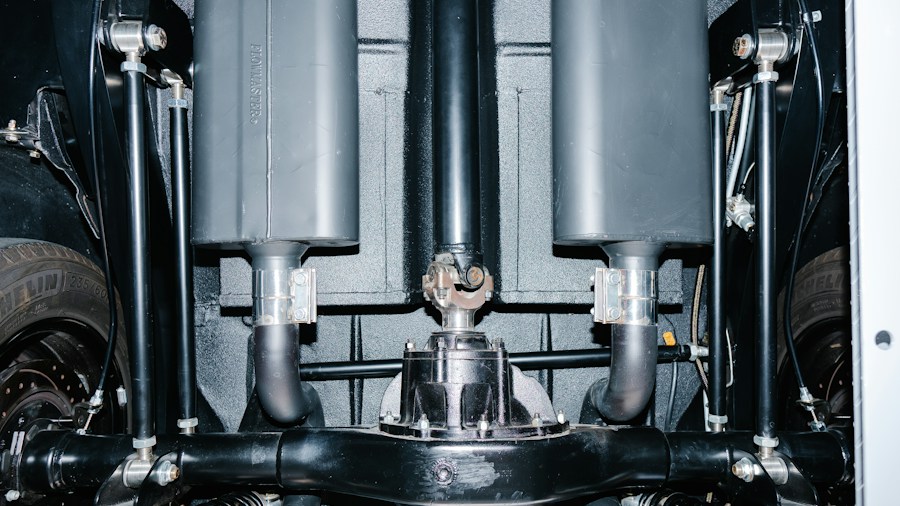
GM had previously explored developing a Raptor competitor around 2022, but the project failed to advance beyond the planning stage. The fundamental issue centered on cost and complexity: creating a wider, taller Chevrolet Silverado would have demanded manufacturing changes and potentially expensive retooling across GM’s pickup truck production system. Business case analysis apparently did not justify the investment at that time.
Now, with both Chevrolet and GMC preparing redesigned 2027 models of their full-size half-ton pickups, the timing may be more favorable. Recent value retention studies show that nine trucks hold their value better than the F-150, suggesting buyer demand exists for compelling alternatives in the premium truck segment.
What This Means for Shoppers
If GM moves forward with a high-performance Raptor rival, truck buyers would gain genuine alternatives in a category that has seen limited choice. The development could accelerate innovation in off-road suspension technology, engine output, and wide-body design across the entire industry. Pricing competition might also benefit consumers, as GM’s production scale could allow competitive pricing against Ford and Ram offerings.
However, it is important to note that GM exploring a concept does not guarantee production approval. The company must demonstrate sufficient market demand and manufacturing feasibility before committing significant capital. Toyota is also rumored to be developing a performance-focused Tundra variant, potentially called the TRD Hammer, which would add a third credible competitor if it reaches production.
Interested buyers should monitor announcements from GM’s upcoming vehicle launch events, particularly as the 2027 Silverado and Sierra introductions unfold. For those shopping now, the existing Silverado 1500 ZR2 and Ram 1500 SRT TRX remain the closest competitors to Ford’s Raptor lineup, each offering distinct advantages depending on priorities.










Write Your Review
No reviews yet. Be the first to share your experience!