

The pickup truck market is experiencing significant changes that directly affect anyone shopping for an F-150 or considering their timing for a purchase. Recent developments in pricing dynamics and stock availability are reshaping how buyers should approach their decisions in the current market environment.
Understanding the Current Market Landscape
The F-150 market has undergone notable transitions over the past several months. Inventory levels have fluctuated across different model years and configurations, creating opportunities and challenges for potential buyers. Dealership stock patterns now differ substantially from previous trends, with certain trim levels and powertrain options becoming more or less readily available depending on your region and timing.
Pricing has become increasingly important as well. The cost of entry-level F-150 models has shifted, while higher-end configurations command different premiums than they did months ago. These changes stem from a combination of manufacturing adjustments, market demand patterns, and broader economic conditions affecting the automotive sector.
What This Means for Your Purchase Decision

If you are shopping for an F-150, understanding these market movements helps you negotiate more effectively and time your purchase strategically. Buyers who recognize current inventory patterns can position themselves to find better deals on models that dealers are actively clearing. Conversely, knowing which configurations are in high demand allows you to anticipate which options may come at a premium or require longer wait times.
Many shoppers have found that patience pays dividends in this environment. Rather than purchasing the first available truck, waiting for specific inventory to arrive at your preferred dealership often yields better pricing and selection. Research from industry observers shows that several competing trucks hold value differently than the F-150, so factoring resale value into your timing decision remains crucial.
Pricing Considerations by Configuration
Different F-150 powertrains and trim levels are experiencing varying market pressures. Standard EcoBoost engines continue to offer strong value propositions, especially for buyers prioritizing fuel efficiency and lower acquisition costs. Higher-output variants and specialty trims show different pricing trajectories as market demand for specific capabilities evolves.
Electric models present an entirely different equation. Trade-in values for electric F-150 models have surprised many owners, highlighting the importance of understanding long-term value retention before committing to a particular powertrain choice. Current lease and financing offers also vary significantly based on the specific model and powertrain you select.
Timing Your Purchase
Market observers note that inventory cycles typically peak at certain times of the year. If dealers have recently received new allocations of F-150s, competition among sales staff is heightened, and you may find more flexible pricing. Conversely, during periods of tight stock, dealers maintain firmer prices and may be less willing to negotiate.
End-of-month and end-of-quarter sales pushes continue to influence dealer behavior. Sales teams operating under monthly quotas often provide stronger incentives as these deadlines approach. Tracking these patterns helps you identify optimal windows for negotiating your purchase.
Maintenance and Reliability in Today’s Market
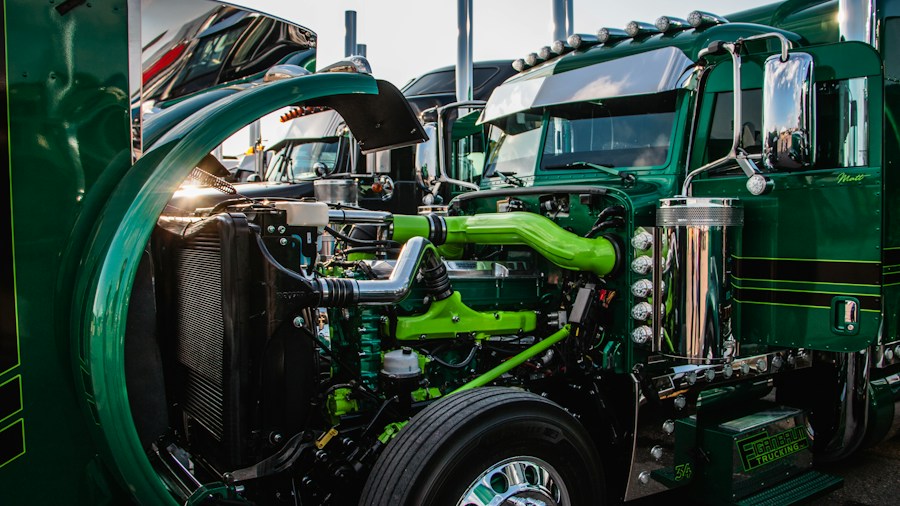
As you evaluate specific models and years, engine selection matters significantly for long-term ownership costs. For buyers considering used F-150s with the 3.5-liter EcoBoost, understanding common maintenance needs and known service issues ensures you make informed choices. Essential tips for buying and maintaining F-150 models with this engine can help you avoid costly surprises after purchase.
Making Your Move
The current F-150 market rewards informed buyers who understand pricing dynamics, inventory patterns, and value retention factors. Rather than reacting to immediate availability, spending time researching market conditions positions you to make decisions aligned with both your budget and long-term ownership goals.
Start by identifying which F-150 configuration truly meets your needs, then monitor local inventory and pricing at multiple dealerships. Contact salespeople at different locations to understand their current stock and negotiating flexibility. By combining market knowledge with patience, you can secure better value on your F-150 purchase during this period of market adjustment.











Write Your Review
No reviews yet. Be the first to share your experience!