

The average vehicle on U.S. roads today is approximately 13 years old, and that aging car parc is reshaping what shoppers need to buy and what repair shops must stock. As vehicles accumulate years rather than just miles, a wave of more complex repairs is entering the aftermarket parts cycle, signaling a significant shift in what consumers should expect when maintaining older vehicles.
Why Your 13-Year-Old Vehicle Needs More Than Basic Maintenance
Vehicle age matters more than mileage alone. A car that sits in a garage for years still endures heat, cold, humidity, moisture, UV exposure and corrosion. Rubber components deteriorate, plastics become brittle and electrical connections develop problems regardless of how often the vehicle is driven. This environmental exposure means that even low-mileage older vehicles will eventually require repairs that go well beyond traditional oil and filter changes.
According to industry experts, four key repair categories stand out as vehicles reach the 10-to-13-year mark. Understanding these areas helps shoppers anticipate costs and plan maintenance more effectively.
Steering, Suspension and Coolant System Repairs
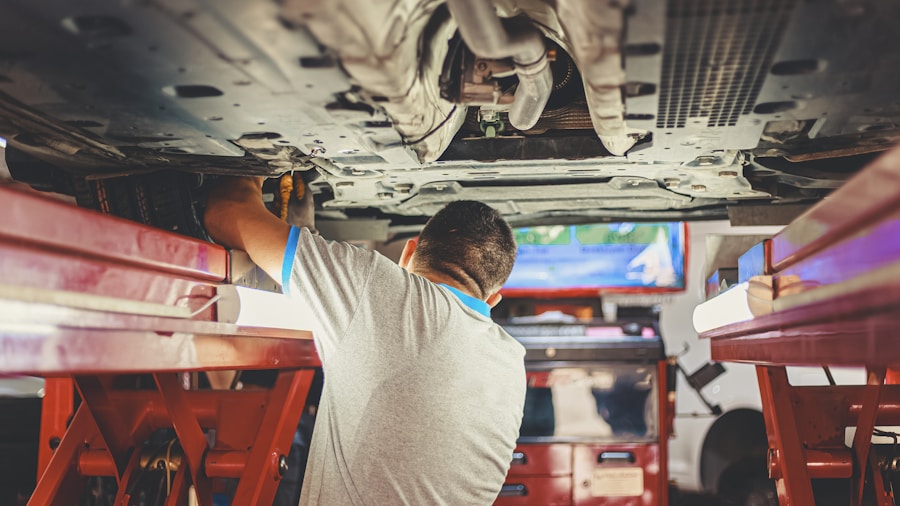
Steering and suspension components are among the first systems to show wear on aging vehicles. Many vehicles are now reaching their second replacement cycle for these parts, meaning repair shops and parts suppliers are seeing steady demand for control arms, bushings, tie rods and related hardware.
The coolant system represents another major repair category. While modern hoses have improved durability, plastic connectors and tees fail regularly when exposed to coolant over extended periods. Heater-hose connectors and thermostat housing assemblies are particularly prone to failure. A single coolant system repair often opens the door to addressing other aging components in that same system, potentially turning a simple repair into a more comprehensive job.
Gaskets, Seals and Electrical Systems
As vehicles pass the 10-year milestone, gaskets and seals become increasingly important replacement items. Oil-pan gaskets and intake-manifold gaskets commonly begin leaking, requiring replacement. Electrical repairs also emerge as a growing category, since wiring harnesses become brittle after a decade of exposure to temperature swings and moisture. Connectors and ground points can develop corrosion and connectivity problems that trigger warning lights and drivability issues.
The Rise of Electronic Components and Sensors
Perhaps the most significant trend affecting shoppers is the transition from mechanical to electronic systems. What was once controlled entirely by mechanical linkages, springs and pumps now relies on sensors, modules and complex assemblies. A thermostat today is often part of a complete thermal-management system rather than a standalone component. This evolution means that newer aftermarket part offerings provide coverage for advanced suspension technology, reflecting the industry’s response to aging vehicles equipped with systems originally found only on new cars.
Blind-spot monitoring modules, lane-departure warning systems, cameras, sensors and automatic emergency braking components are increasingly appearing on vehicles that are now entering the repair cycle. As these vehicles continue to age, these advanced electronic systems will move into routine aftermarket service, making them familiar repair items rather than exotic exceptions. Shoppers with vehicles equipped with these technologies should plan for eventual replacement of sensors and modules as part of normal aging.
What This Means for Parts Supply and Pricing
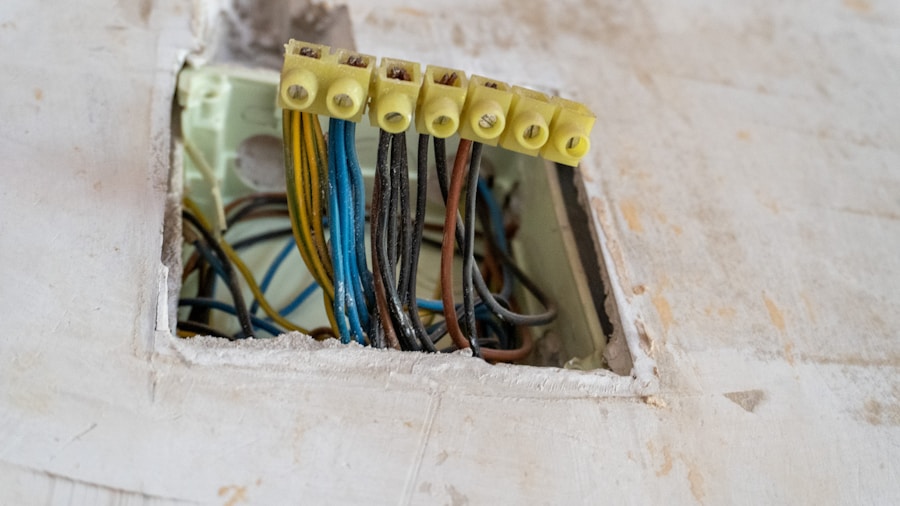
The shift toward more complex aftermarket parts has real implications for consumers. Traditional maintenance items like motor oil, oil filters, air filters and cabin air filters remain important and available at consistent prices. However, the overall parts mix is becoming broader and more complicated. Shoppers will encounter more electronic components, assembly-level replacements and system-wide repairs rather than simple individual component swaps.
This evolution also affects how repair shops approach diagnostics and parts selection. Product catalog expansions across the industry reflect growing coverage for older vehicle platforms, ensuring that parts remain available as demand grows. Additionally, aftermarket suppliers continue expanding into categories once dominated by original equipment channels, improving availability and often reducing costs for consumers.
Planning Ahead for Aging Vehicle Repairs
For shoppers with vehicles in the 10-to-13-year range, understanding these repair categories helps with budgeting and maintenance planning. Rather than viewing your older vehicle as reliably needing only basic maintenance, expect a broader mix of repairs involving steering, suspension, cooling systems, gaskets and electrical components. When repair shops recommend sensor or module replacement, recognize that these are increasingly common on aging vehicles rather than unnecessary upsells.
As vehicle technology becomes more complex and the average age of vehicles continues to rise, the aftermarket parts industry will continue adapting. Shoppers who understand which systems are most likely to fail on aging vehicles can make informed decisions and work proactively with repair professionals to address problems before they create larger issues. The opportunity for consumers lies in recognizing that their older vehicles are moving into a new repair cycle, one where electronic systems and complex assemblies play a central role.











Write Your Review
No reviews yet. Be the first to share your experience!