

Choosing the right tire for your vehicle goes beyond picking the most popular option on the shelf. The decision between all-season, all-weather, and dedicated winter tires hinges on where you actually drive and how frequently you face severe cold or snow. Understanding these differences can help you balance safety, cost, and convenience when it comes time to replace your current tires.
Geography and Driving Patterns Matter More Than You Think
The location where you live tells only part of the story. Tire specialists increasingly recognize that your specific driving habits and routes are equally critical to making the right choice. Before selecting a tire option, consider your most common routes. Do you primarily drive on treated city streets and well-maintained highways, or do you regularly navigate untreated rural roads, steep mountain grades, or areas prone to heavy snow?
Drivers who tackle demanding terrain, such as steep mountain passes or winding backcountry routes, face very different conditions than those who stick to urban roads. The same applies to those living in regions where lake-effect snow, sustained sub-zero temperatures, or blizzard conditions are routine occurrences. These environmental factors can completely change which tire performs best for your needs.
All-Weather Tires: The Middle Ground for Many Drivers

For millions of American drivers, a quality all-weather tire strikes an effective balance. Modern all-weather tire designs are engineered to provide sufficient winter traction without requiring the specialized features of dedicated winter tires. Choosing an all-weather option means avoiding the hassle and expense of managing two separate tire sets or paying for seasonal changeovers at a shop.
The convenience factor appeals to drivers who experience winter weather infrequently or only in mild forms. An all-weather tire can deliver the safety margin you need during occasional snow or cold snaps while eliminating storage headaches. However, this convenience comes with a tradeoff: all-weather tires do not match the extreme cold or deep snow performance of purpose built winter tires.
When Dedicated Winter Tires Make Sense
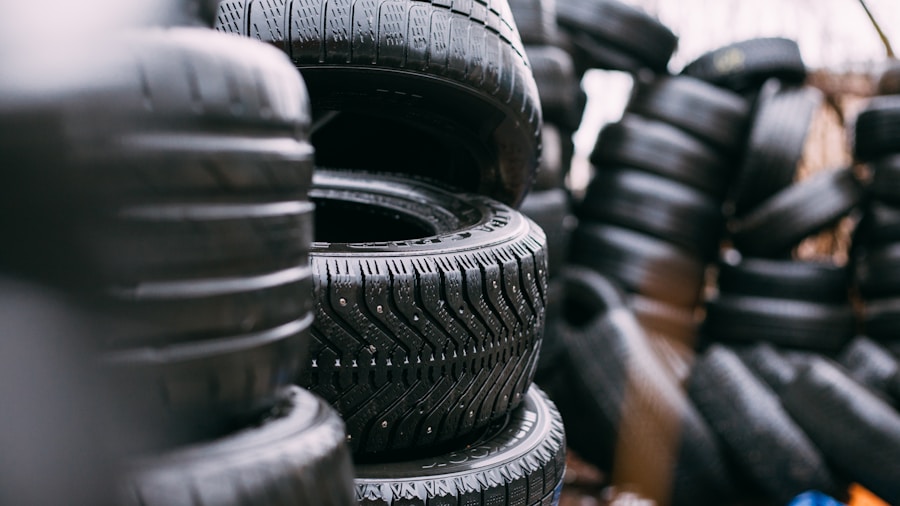
Drivers who regularly encounter severe winter driving conditions should give serious consideration to switching to dedicated winter tires for the cold months. These tires use specialized rubber compounds that stay pliable in extreme cold and feature aggressive tread patterns designed specifically for snow and ice traction. If you drive mountain roads regularly during winter, commute through areas that receive heavy snowfall, or live where temperatures drop well below freezing for extended periods, dedicated winter tires offer measurably better performance and safety.
The tradeoff involves cost and inconvenience. Purchasing a second set of wheels and tires requires upfront investment, plus you must manage seasonal storage and pay for changeovers each spring and fall. For those who value maximum safety during harsh winter driving, however, these drawbacks are worth the expense.
Ask Yourself the Right Questions
Before visiting a tire shop, honestly answer a few key questions. First, does your typical driving involve challenging winter terrain or mostly occur on well-treated roads? Second, how often do you encounter sustained freezing temperatures or heavy snow accumulation? Third, are you willing and able to store a second tire set and manage seasonal swaps?
Your answers determine which tire category deserves your investment. A driver who experiences winter weather only a few times yearly and primarily drives maintained highways will benefit from an all-weather tire. A driver who spends half the year navigating mountain passes or severe snow conditions needs dedicated winter tires.
Work With Knowledgeable Tire Professionals
The goal of any tire recommendation should match your actual driving conditions and priorities. A quality tire shop will ask detailed questions about your routes and weather exposure rather than simply pushing the highest-margin product. When you shop for replacement tires, ongoing tire promotions and rebates can help offset costs, making it easier to upgrade to the right option for your climate.
The tire market continues to evolve, with manufacturers developing better all-weather compounds and all-season designs that perform increasingly well in cold conditions. Industry partnerships also bring innovation to fleet and consumer tire service, expanding availability at independent tire retailers across the country. As technology improves, your options for matching a tire to your specific needs become more refined.
Taking time to evaluate your actual driving conditions before purchasing new tires ensures you get the best combination of safety and value. Whether an all-weather tire suits your lifestyle or you need seasonal changeovers, making an informed decision protects your vehicle and your wallet.











Write Your Review
No reviews yet. Be the first to share your experience!