

Audi and Porsche Are Seriously Discussing the Future of the Flagship Sedan
The Audi A8 may have seemed like it was heading toward retirement when the company stopped accepting new orders, but recent developments suggest the luxury sedan could make a comeback. Porsche has now confirmed that both brands are in active talks about bringing back a next-generation A8, with production potentially launching around 2030. While nothing has been finalized, this is the clearest signal yet that Audi’s flagship has a fighting chance at continued existence.
What makes this development noteworthy is that Porsche itself is publicly acknowledging these discussions. This isn’t just Audi deflecting questions about the sedan’s fate; one of the world’s most prestigious automakers is directly involved in planning the vehicle’s future. The conversations center on where to build the car and what platform it might use, with significant implications for how consumers will experience Audi’s top-tier sedans down the road.
Leipzig: The Likely Home for Audi’s Next-Generation Flagship
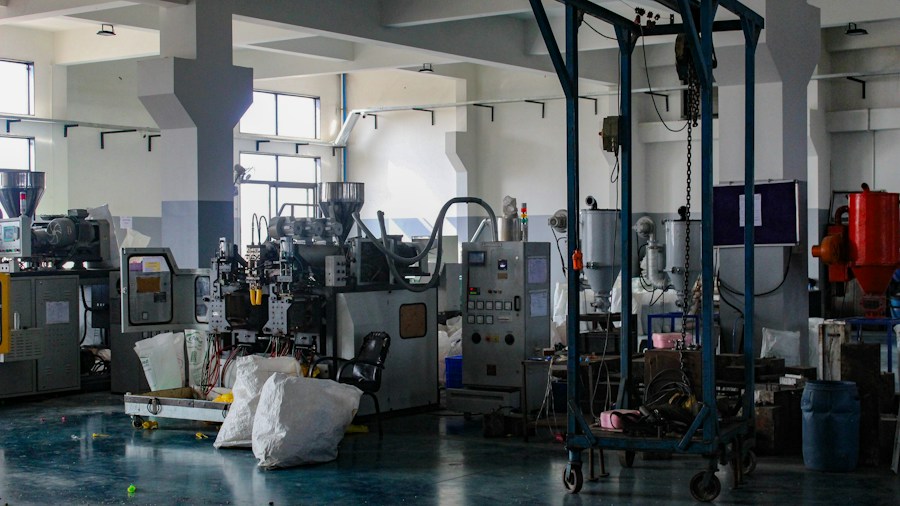
The focus of these production talks keeps coming back to Porsche’s manufacturing facility in Leipzig, Germany. This plant currently handles both Porsche Panamera and Macan production, making it a logical candidate for the A8. Leipzig isn’t just any factory; it’s specifically engineered to handle multiple powertrain types on the same production lines, a crucial capability if Audi wants to offer gasoline, hybrid, and electric versions of a future A8.
That flexibility matters enormously in today’s market. Buyers increasingly want choices when it comes to electrification and fuel type, and a factory designed for this kind of versatility ensures that Audi can meet demand without massive retooling costs. As a bonus, Leipzig has proven its ability to manage complex production schedules while maintaining quality standards that align with both Porsche and Audi’s brand expectations.
The current A8 is produced at Audi’s Neckarsulm facility, a plant that has relied on this sedan for decades. Moving production would represent a significant shift, though it could help optimize the entire Volkswagen Group’s manufacturing footprint and product strategy across Europe.
A Shared Platform With Porsche Panamera Could Change Everything
One of the most interesting aspects of these discussions is the possibility that the next A8 could share its underlying platform with Porsche’s next-generation Panamera. This would represent a major architectural decision, but it makes economic sense for a global automaker facing cost pressures on large vehicle development projects.
Sharing a platform doesn’t mean the cars will look or feel the same. Audi and Porsche have long proven they can create distinctly different driving experiences and design languages even when using shared engineering foundations. However, it would allow both companies to spread development costs across multiple vehicles, freeing up resources for other priorities like electrification, autonomous driving technology, and in-cabin innovation.
This approach aligns with broader industry trends. As legacy automakers invest heavily in EV development and software capabilities, finding ways to maximize the value of each platform becomes increasingly critical. The partnership between these two Volkswagen Group brands demonstrates how connected vehicle development can support both brands without compromising their individual identities.
What This Means for Shoppers Looking at Luxury Sedans
If these plans move forward, customers interested in large German luxury sedans will see meaningful changes by the end of the decade. A 2030 launch would put the car squarely in the era of advanced electrification, sophisticated driver assistance systems, and radically reimagined infotainment experiences. The technology available in a 2030 A8 will be fundamentally different from what today’s flagship offers.
Pricing and positioning could also shift. Building in Leipzig alongside Panamera production might create new opportunities for competitive pricing or different trim configurations. That said, none of these details are official yet. Porsche and Audi have confirmed they’re talking; they haven’t confirmed specific platform sharing, production dates, or design directions.
For shoppers currently on the fence about purchasing a luxury sedan, waiting to see how this unfolds might make sense. The last chapter on the A8 isn’t written yet, and whatever emerges in 2030 will carry all the latest technology Audi can muster. Meanwhile, buyers in the market now have access to mature versions of current-generation luxury sedans from Audi and competing brands, many offering strong lease deals and used inventory.
The Bottom Line: Hope But Not Certainty
These discussions represent real progress for a model that looked genuinely uncertain just months ago. Recent sales data showed that even in Europe, where sedans remain popular, the current A8 and its S8 performance variant struggled to attract buyers at high volumes. That reality forced Audi to reconsider whether the model deserved continued investment in its current form.
The involvement of Porsche, the confirmed production talks, and the specific focus on Leipzig all suggest something substantive is happening behind the scenes. However, it’s important to remember that nothing is finalized. Audi’s recent strategic pivots around electrification show the company is willing to reshape its lineup based on market realities. A 2030 A8 shared with Porsche would be another example of that flexibility, but confirmation will need to come directly from the automakers before shoppers can count on it.











Write Your Review
No reviews yet. Be the first to share your experience!