

Advanced Driver Assistance Systems, or ADAS, have become standard on modern vehicles. When these systems need recalibration after collision repair or maintenance, shops face a critical choice: invest in expensive OEM-specific tools or find a more flexible solution. A major automotive service operation recently demonstrated how Autel’s diagnostic and calibration systems are reshaping what shops can accomplish in-house.
Why ADAS Calibration Matters for Consumers
Every time a vehicle undergoes repair work that affects its cameras, radar sensors, or other safety components, those systems must be recalibrated to factory specifications. Without proper calibration, safety features like automatic emergency braking and lane-keeping assistance may not function correctly. Historically, this meant shops either purchased expensive OEM tools for each vehicle brand they serviced or outsourced calibration work to dealerships and specialized centers, adding time and cost to repairs.
For consumers, this complexity has meant longer repair timelines and higher bills. A shop equipped with proper ADAS calibration equipment can handle everything in one place, getting your vehicle back on the road faster and more safely.
How One Major Shop Reduced OEM Tool Dependence
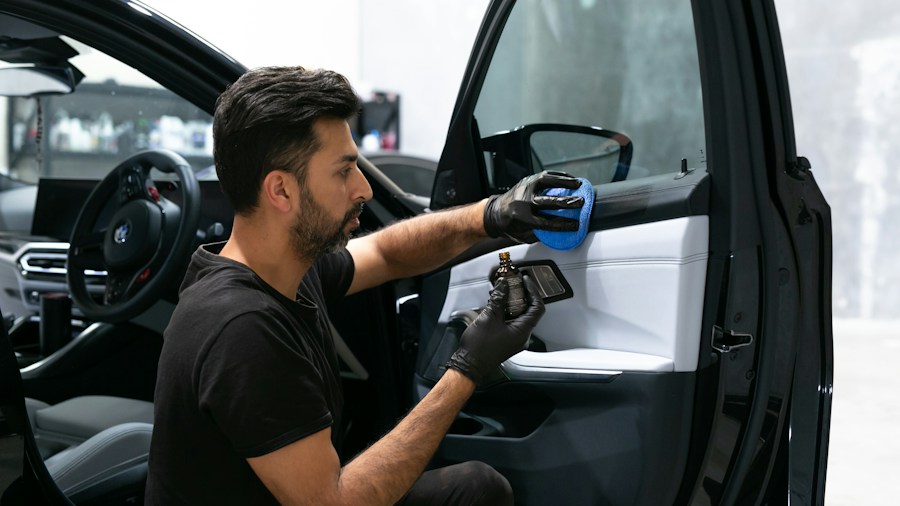
Zimbrick Group, a large multi-location service operation, recently showcased its centralized calibration facility where technicians perform approximately 95% of all ADAS calibration work using Autel’s IA900 system and MaxiSys Ultra diagnostic platform instead of relying primarily on OEM tools. This shift represents a significant operational change in the industry.
The team relies on Autel’s guided calibration workflow, which uses factory specifications and camera-based positioning to ensure technicians correctly set up equipment for each vehicle model. Rather than learning completely different procedures for every brand, technicians follow a standardized process that adapts to different manufacturers, reducing training time and human error. This consistency matters especially when shops service diverse vehicle lineups, from luxury European brands to mainstream Japanese manufacturers.
Real-World Results and Broader Vehicle Coverage
Zimbrick’s experience reveals practical advantages that benefit shops and consumers alike. On a recent 2024 Mazda CX-5, technicians used Autel’s bidirectional controls and live data capabilities to diagnose why a radar sensor was failing calibration attempts. The diagnostic data revealed internal damage to the sensor itself, a finding that would have been missed with simpler scanning. This kind of thorough investigation helps document exactly what failed and why, supporting both the repair process and conversations with insurers.
The platform also proves invaluable on vehicles where OEM tool access is problematic or restricted. Older Mercedes-Benz models and Porsche vehicles, for instance, present compatibility challenges with dealer-specific systems. Autel’s broader vehicle database allows independent shops and multi-brand service centers to handle these vehicles confidently. As the industry continues to evolve, shops need tools that adapt rather than lock them into single-brand ecosystems.
Efficiency Gains That Impact Your Repair Timeline
Using a unified platform creates workflow improvements beyond just calibration. Technicians use the same Autel system for in-process diagnostic scanning, clearing fault codes, and identifying relevant issues without interrupting repair progress. This integrated approach streamlines what might otherwise involve switching between multiple tools and systems.
Remote technical support adds another layer of value. National Calibration can remotely access Zimbrick’s diagnostic equipment to assist technicians facing difficult vehicles or calibration problems. This means complex issues get expert attention without delaying the repair or requiring the vehicle to be transported elsewhere. For consumers, it means faster resolutions even when repairs become complicated.
Documentation That Protects You
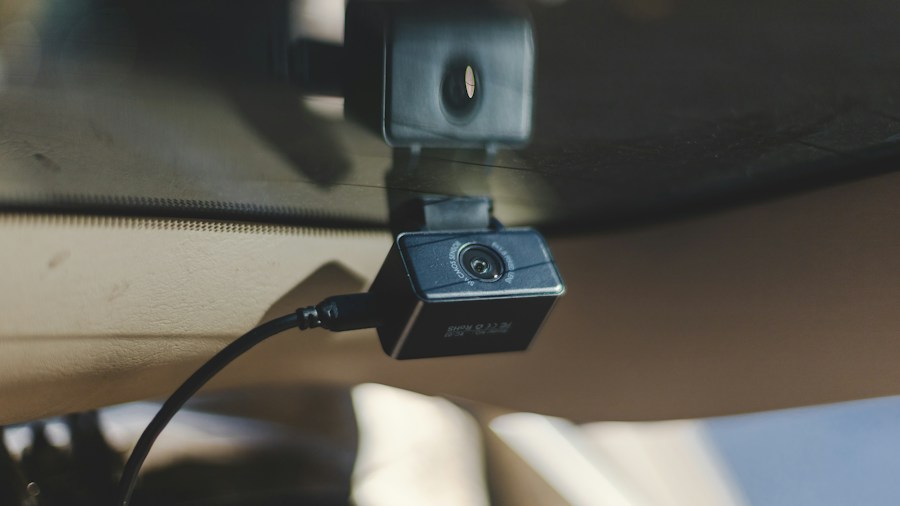
Capturing detailed diagnostic data throughout the repair creates a clear record of procedures performed, findings, and final results. This documentation supports insurance claims, warranty work, and future service history. When a technician can point to exact data showing a sensor was damaged or a system was recalibrated to specification, it removes guesswork from conversations with insurers and reduces disputes.
What Shoppers Should Expect Moving Forward
As ADAS technology evolves, shops need equipment that keeps pace. Autel’s ongoing software updates and technical support help shops maximize their equipment investment while adapting to changing diagnostic requirements. This matters to you because a shop with current tools and current training delivers more reliable repairs.
The 95% benchmark at Zimbrick suggests that the days of mandatory dealership calibration for most vehicles may be ending. Independent shops and regional service chains can now invest in comprehensive diagnostic platforms and perform the majority of ADAS work in-house, reducing your costs and repair time. When shopping for ADAS calibration or repair work, ask whether your shop uses current, multi-brand diagnostic systems. Shops equipped with modern Autel tools can handle your vehicle’s complex safety systems more efficiently and document their work more thoroughly than shops relying on older single-brand systems.











Write Your Review
No reviews yet. Be the first to share your experience!