

The automotive service landscape is shifting rapidly, and tire and wheel shops are discovering that staying competitive means embracing advanced diagnostic technology. A recent announcement about specialized HVAC training reveals a larger trend that affects how modern vehicles are serviced and what it means for shoppers seeking quality work.
Why This Matters to Tire Shop Customers
Vehicle maintenance is no longer confined to isolated systems. Modern cars, particularly hybrids and electric vehicles, rely on interconnected thermal management systems that regulate everything from battery temperature to power electronics. This complexity means that tire shop technicians face new tech demands as vehicles become more sophisticated. When you bring your car in for tire work or routine maintenance, the shop staff may need to address or at least understand these broader vehicle systems.
Until recently, automotive air conditioning diagnosis focused mainly on refrigerant pressure readings and basic component checks. That approach no longer suffices. Today’s vehicles require technicians to view climate and thermal management as part of an integrated whole, combining live vehicle data, temperature sensors, humidity measurements, electrical readings and airflow analysis on a single diagnostic screen.
The Training Initiative and What It Signals
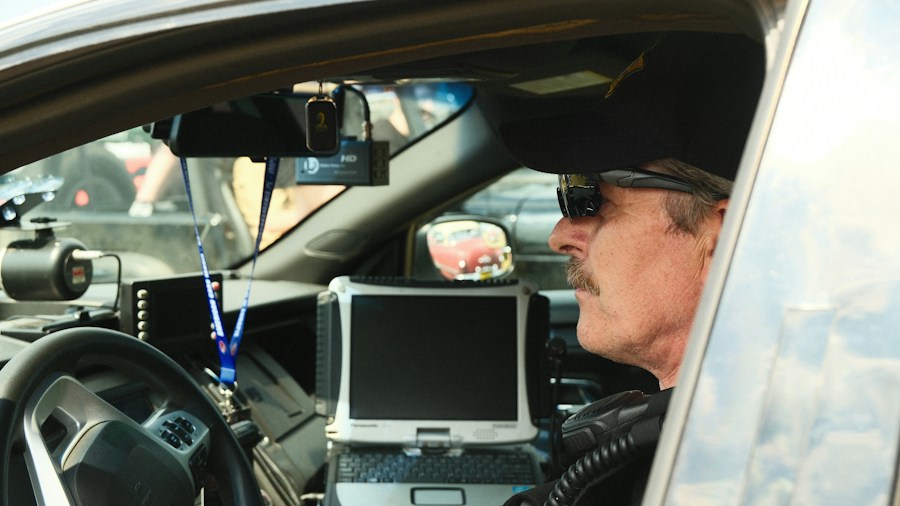
Advanced training programs for diagnostic equipment underscore an industry-wide recognition that older methods cannot keep pace with modern vehicle architecture. When major diagnostic system developers invest in educating technicians, it signals that the gap between traditional service practices and current vehicle needs has become impossible to ignore. The training focuses on advanced strategies that help technicians understand component interactions, electronically controlled systems, and how to use comprehensive data to identify problems efficiently.
For shoppers, this means that tire and wheel retailers who invest in staff training and modern diagnostic tools are better positioned to address hidden issues before they become expensive problems. A technician equipped with updated knowledge can spot thermal management concerns during routine tire service that less-informed staff might miss entirely.
What Buyers Should Expect Going Forward

As vehicle technology advances, the quality of service you receive increasingly depends on the training and tools available at your local shop. Look for tire retailers that emphasize technician education and invest in modern diagnostic equipment. These shops are more likely to catch problems early and provide comprehensive service rather than simply rotating tires or replacing worn rubber.
The automotive industry has long recognized that tire makers commit to supply chain transparency and quality standards, but equally important is the caliber of technician performing the work. When you choose a tire shop, ask whether staff members have received recent training on modern diagnostic systems and thermal management. This question often reveals which retailers stay current and which are content with traditional methods.
The Bigger Picture for Vehicle Owners
Hybrid and electric vehicles are no longer niche products. They represent a growing portion of new car sales, and even traditional internal combustion engines now incorporate sophisticated thermal management. This evolution means that tire shops and wheel service centers must adapt or risk providing incomplete service. A shop that understands the relationship between thermal systems, battery health and overall vehicle performance can offer more valuable guidance during seasonal tire changes or routine maintenance visits.
Understanding this trend helps shoppers make smarter decisions about where to service their vehicles. The rise of advanced diagnostic training is not an isolated technical development; it reflects the reality that modern vehicles are more complex and that quality service requires continuous learning from technicians. When you see a shop advertising trained staff and modern diagnostic capabilities, recognize this as a signal that they are serious about staying competitive and providing reliable service.
The gap between traditional tire service and modern vehicle needs continues to widen. Savvy shoppers who seek out shops investing in staff education and diagnostic technology will enjoy better service quality, faster problem diagnosis and more accurate solutions. As vehicles become more sophisticated, the tire shops that thrive will be those that recognize that modern engineering demands modern service approaches.











Write Your Review
No reviews yet. Be the first to share your experience!