

Motorcycle trials has maintained a consistent rulebook for decades, separating riders into traditional classes and challenging them with increasingly technical obstacle courses. But Beta USA is shaking up the sport with a bold new format that could reshape how trials events operate across the country.
The October 2026 Event and Major Rule Changes
On October 18, 2026, Beta will host its first Divisional Trial Event at Donner Ski Ranch near Norden, California. This event represents a significant departure from standard trials competition structure. Rather than dividing participants into traditional ability-based classes, Beta is opening the event to everyone from novice through professional riders, all competing together under a new divisional scoring system.
The specific mechanics of this scoring system remain undisclosed, but the concept aims to level the competitive field without relying on traditional class separations. Normally, trials competitions segregate riders by skill level because mixing novices with national-level professionals would result in vastly different outcomes and potential safety concerns. Beta’s approach suggests the company believes a carefully designed scoring model can accommodate multiple ability levels simultaneously without compromising fairness or safety.
Course Design Takes a Step Back in Time
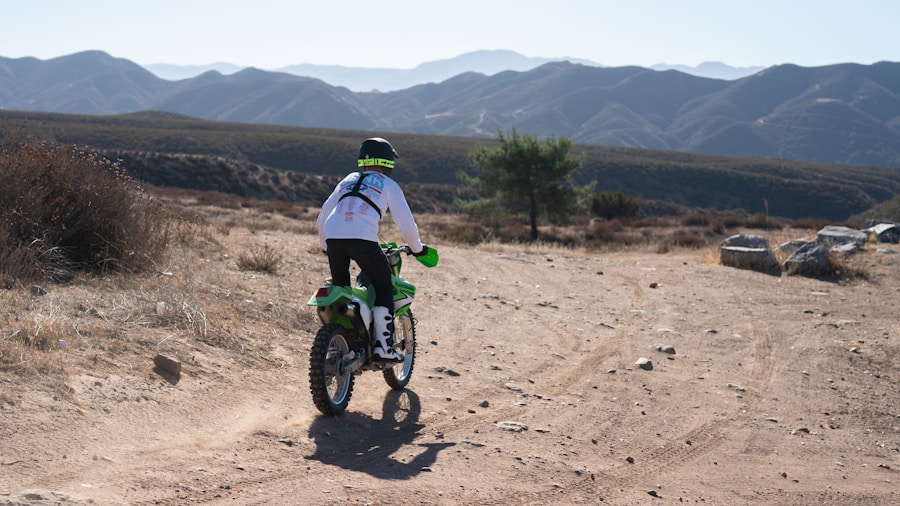
Beyond the scoring changes, Beta is fundamentally altering the course design itself. Instead of the modern trials format emphasizing extreme hopping, precise balancing, and climbing near-vertical obstacles, the October event will feature what Beta describes as “1980s-style sections with good flow.” This approach emphasizes momentum and natural terrain navigation rather than specialized technical tricks.
This course philosophy could make trials more accessible to riders who appreciate the sport’s core challenge without specializing in the acrobatic techniques required for contemporary competition. For potential competitors and buyers considering a trials motorcycle, this signals that skill development might follow a more natural progression through terrain reading rather than requiring specialized training in advanced hopping techniques from day one.
Financial Details and Event Structure
Beta is committing substantial prize money to this inaugural event. The competition will offer a $6,000 purse distributed among the top three finishers in each division, demonstrating serious investment in the format’s success. Entry costs $150 per rider, with registration capped at 100 competitors to maintain event quality and course integrity.
The event schedule includes Saturday practice sessions from 9 AM to 3 PM, followed by Sunday competition starting at 9 AM. Participants receive multiple amenities beyond competition access: an official event shirt and hat, a Saturday spaghetti dinner, and evening entertainment. This all-inclusive approach suggests Beta views the event as a community experience rather than a purely competitive venture, which could appeal to riders seeking both competitive challenge and social connection within the trials community.
Technical Requirements and Notable Leadership

Bikes must exceed 80 cubic centimeters and feature USFS-approved spark arrestors along with tethered safety kill switches. These requirements reflect responsible event management and environmental consideration, particularly important given the location at a ski resort area where fire prevention is critical.
Three-time AMA National Trials Champion Scott Head will serve as Grand Marshal, lending legitimate trials expertise and competitive credibility to an event designed to challenge established traditions. His involvement suggests the format, while unconventional, maintains respect for trials competition standards and safety protocols. For buyers interested in trials motorcycles, this legitimacy matters, as it indicates Beta’s commitment to serious competition rather than novelty experimentation.
What This Means for the Motorcycle Industry
Beta’s willingness to fundamentally rethink trials competition structure could signal broader shifts in how niche motorcycle sports evolve. If the divisional format proves successful, other manufacturers and event organizers might adopt similar approaches, potentially making trials more approachable for newcomers while maintaining competitive depth for experienced riders. The 1980s-style course design choice also hints at growing interest in vintage-inspired motorcycle sports, a trend visible across multiple segments of the motorcycle market.
For buyers evaluating trials motorcycles, this event demonstrates that the sport is actively innovating. Rather than remaining static, trials is adapting to attract new participants while respecting its technical heritage. Whether you’re considering your first trials bike or looking to expand your riding experience, Beta’s experimental approach suggests exciting possibilities for how you might engage with the sport. Keep an eye on reports from the October event to see whether this format becomes a model for future competitions or remains a single ambitious experiment. For those tracking developments in motorcycle sports, check out upcoming opportunities to see trials demonstrations and connect with the community.











Write Your Review
No reviews yet. Be the first to share your experience!