

Tesla Rolls Out V2H Technology for Model 3 and Model Y
Tesla has officially enabled vehicle-to-home (V2H) bidirectional charging for new Model 3 and Model Y vehicles built in the United States on or after October 1, 2026. This milestone represents a major shift in how electric vehicle owners can interact with their home energy systems. Some vehicles manufactured as early as April 2026 already have the necessary hardware installed, meaning the capability exists even if it wasn’t initially activated.
To check if your Tesla has this feature, navigate to Settings > Software on your car’s touchscreen and look for “Powershare Support: Enabled.” If you see this confirmation, your vehicle is ready to power your home. However, if your car lacks this feature, it cannot be added through a software update alone, as the technology requires specialized power electronics hardware that must be installed during manufacturing.
What You Need to Get Started with V2H
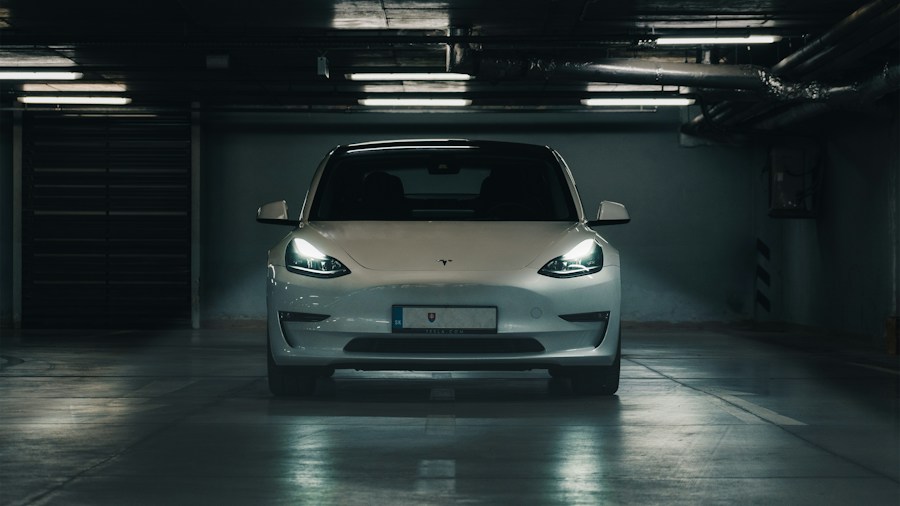
Setting up bidirectional charging isn’t as simple as plugging in your car. The requirements vary depending on which Tesla model you own. For Model 3 and Model Y owners, you’ll need a Powerwall 3 residential battery storage system paired with either a Wall Connector or Universal Wall Connector. Cybertruck owners have more flexibility, as they can operate V2H without a Powerwall, though they do need a Powershare Gateway installed as part of the complete system.
Tesla has stated that support for Powerwall 2 and Powerwall+ is coming soon, which will expand options for existing home battery owners. Professional installation is required for all systems, and you must own your home, be able to park your vehicle within 20 feet of the installation location, and have an electrical panel rated below 225 amps.
Learn more about Tesla V2H technology and how it works in your home to determine compatibility before making an investment.
Real-World Power Backup Benefits
The Powershare system can deliver up to 11.5 kilowatts of clean backup power to your home. For a typical household consuming 30 kilowatt-hours per day, a Model 3 or Model Y charged to 90 percent capacity can power your residence for approximately two days during a grid outage. This capability addresses a real concern for homeowners in areas prone to power disruptions.
Critics of electric vehicles often argue that EVs become useless when the power grid fails, forgetting that gasoline pumps also require electricity to operate. A home backup generator capable of this function typically costs around $15,000 installed, making a Tesla with bidirectional charging an attractive alternative for homeowners seeking energy resilience.
European Testing Shows Broader Potential
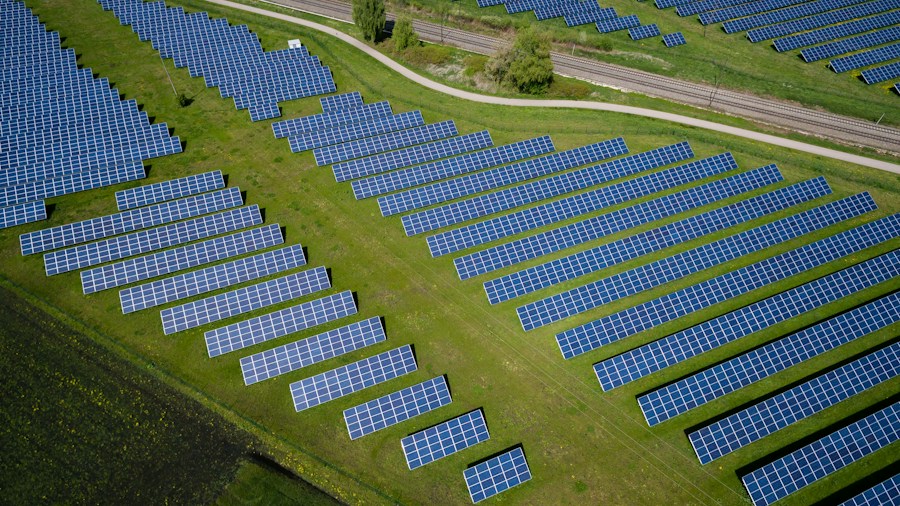
Beyond providing home backup, bidirectional charging technology can help stabilize electrical grids and integrate renewable energy. The European Union recently completed a four-year research project called EV4EU that tested vehicle-to-grid (V2G) technologies across four countries. The results demonstrate that electric vehicle batteries networked together can function as virtual power plants for entire communities.
In Portugal, bidirectional charging integration at homes and public buildings achieved 14 percent cost reduction in household charging and a 22 percent increase in renewable energy utilization. Denmark’s program, focused on managing parking lot charging clusters with local renewable generation, reduced power imbalances while maximizing renewable use. Understanding bidirectional charging standards helps explain how these coordinated systems work across regions.
The EV4EU study concluded that bidirectional charging requires more than just technical capability. Success depends on proper control algorithms that protect battery health, appropriate market incentives, suitable regulatory frameworks, and consideration of driver mobility needs. When these elements align, V2X technology delivers benefits that extend far beyond individual vehicle owners.
Battery Longevity Concerns Are Fading
Tesla previously hesitated to embrace V2H and V2G technology due to concerns about battery degradation. Modern battery science has changed this calculation. Contemporary EV batteries are outlasting the vehicles that carry them, meaning controlled charging and discharging cycles present minimal risk to battery lifespan when managed with proper algorithms.
This technological breakthrough opens entirely new possibilities for the role electric vehicles play in homes and communities. In coming years, thousands of networked EVs could absorb excess renewable generation and stabilize grids during peak demand periods, creating value for both vehicle owners and energy systems.
For shoppers evaluating new Tesla purchases, bidirectional charging capability now represents a meaningful advantage, especially for those interested in energy independence and home backup power. As the technology scales and more home battery options gain compatibility, this feature will likely become an important consideration in the EV buying decision.











Write Your Review
No reviews yet. Be the first to share your experience!