

The Risk of Using Bleach in Your Pressure Washer
When you have stubborn mold, moss, or algae clinging to your deck, driveway, or patio, the temptation to boost your pressure washer’s cleaning power is understandable. Many homeowners wonder if adding bleach to their pressure washer’s solution tank would solve the problem, similar to how bleach works for indoor mold removal. The short answer is no, and doing so could be one of the most expensive mistakes you make with your cleaning equipment.
Bleach is one of the most caustic substances available at any hardware store, and its corrosive properties don’t discriminate between dirt and delicate machinery. Running bleach through a pressure washer will almost certainly destroy internal components and render the equipment unusable. Understanding why this happens and what your alternatives are is essential for protecting your investment and achieving the results you want.
How Bleach Damages Pressure Washer Components
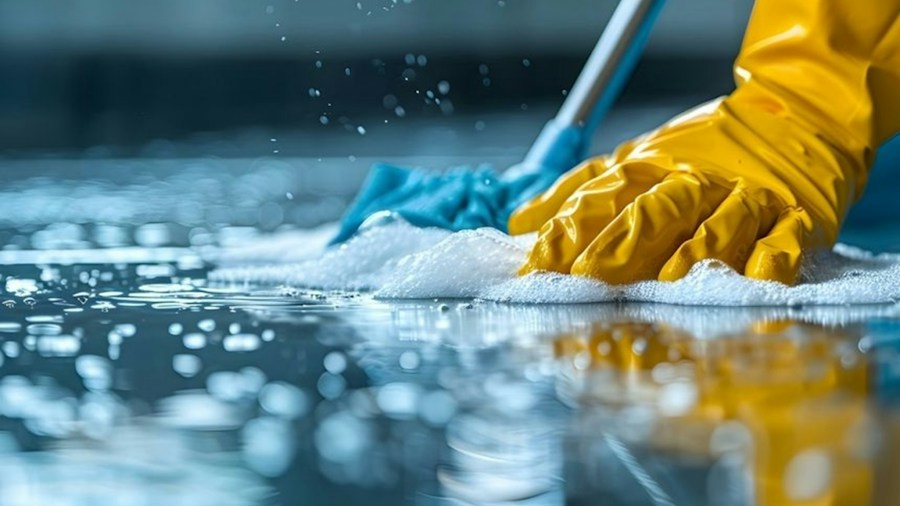
Pressure washers are sturdy pieces of equipment, but they are not immune to chemical damage. Every major component inside a pressure washer is vulnerable to bleach exposure, and the damage can be severe and irreversible.
Plastic tanks, which hold water and solutions, will begin breaking down immediately when exposed to bleach. The chemical reactions cause the plastic to thin out and become brittle, eventually cracking and developing holes. Once holes form, pressure loss occurs, which directly compromises the washer’s effectiveness and can lead to complete system failure.
Rubber components face similar consequences. Hoses that connect various parts of the unit will become fragile and brittle, leading to leaks and ruptures. The internal metal components are equally threatened. Seals, O-rings, and other metal parts in the pump mechanism will corrode and develop pits, ultimately causing pump failure. This type of chemical damage is comparable to what would happen if you introduced bleach into a diesel engine.
Safe Alternatives for Using Bleach Outdoors
If you’re determined to use bleach for outdoor cleaning, there are two methods that allow you to avoid direct damage to your equipment. The first option involves using a downstream injector, a specialized component that adds cleaning solutions at the end of the water flow path rather than at the beginning. This keeps bleach away from your washer’s sensitive internal parts. Quality pressure washer guns and injectors are available from most home improvement retailers.
Your second option is to use a standalone pressure pump sprayer to apply bleach separately, then rinse the area with your pressure washer afterward. You can purchase one of these sprayers at any major hardware store for around thirty dollars. This method keeps bleach completely separate from your equipment while still allowing you to achieve the cleaning results you need.
Critical Safety Precautions When Using Bleach
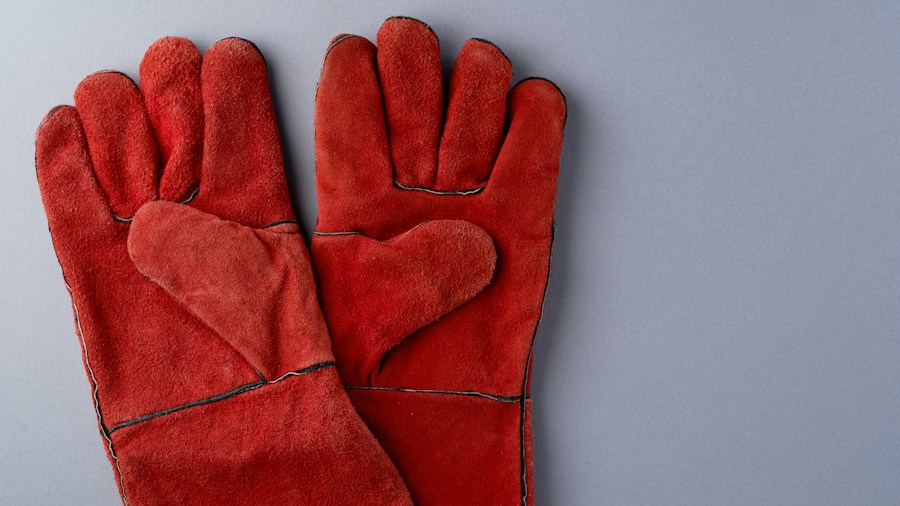
Even when using these safer methods, bleach demands careful handling and proper protective equipment. Before starting any bleach-based cleaning project, wear gloves, safety goggles, long pants, long sleeves, and closed-toe boots to protect your skin and eyes from splashes.
Never apply pure bleach to outdoor surfaces. Always dilute bleach with water at a ratio of one quarter gallon of bleach to one gallon of water. This dilution is essential for both safety and effectiveness. Durable pressure washer hoses will help you maintain control during the application process.
Pay close attention to the type of surface you’re cleaning. Bleach is safe to use on concrete, asphalt, brickwork, and pool surfaces that can resist its corrosive properties. Never apply bleach to wood, metal, or surfaces near vegetation such as plants, shrubs, or lawn areas. The damage to these materials can be permanent and widespread.
Choose the Right Cleaning Solution for Your Equipment
The safest approach is to use pressure washer-specific cleaning solutions designed to work safely with your equipment’s internal components. These commercial detergents are formulated to clean effectively without damaging tanks, hoses, seals, or pumps. Modern pressure washers, including newer cordless models with enhanced cleaning capabilities, work best with manufacturer-recommended solutions.
If you need extra cleaning power for particularly stubborn stains or biological growth, pressure washer-specific mold and mildew removal products are widely available. These solutions are engineered to be both effective and safe for your equipment, giving you the best of both worlds without the risk of expensive damage.
By understanding the dangers of bleach in pressure washers and using appropriate alternatives, you can keep your equipment in top condition while achieving excellent outdoor cleaning results.











Write Your Review
No reviews yet. Be the first to share your experience!