

BMW is set to unveil the eighth-generation 3 Series this week, marking a significant turning point for one of the automotive world’s most iconic sports sedans. The unveiling will take place on September 29 in the United States and September 30 in Europe, introducing a car that represents a dramatic shift in design philosophy and technology integration.
A Fresh Look with Familiar DNA
The redesigned 3 Series, internally designated the G50, brings extensive exterior styling changes that draw inspiration from BMW’s latest design language. The new sedan will feature a completely reimagined cabin that borrows heavily from modern BMW vehicles, emphasizing digital interfaces and reducing physical controls in favor of screen-based interactions. However, buyers should understand that the gas-powered 3 Series retains its own platform architecture, distinct from the electric versions that may share some visual cues.
The new interior design means fewer traditional buttons and switches, with greater emphasis on touchscreen functionality. This modernization approach mirrors recent industry trends, though it does result in a more compact rear cabin since the sedan still requires a transmission tunnel and exhaust system accommodation. Owners of current models accustomed to straightforward mechanical controls should expect a significant learning curve with the new digital environment.
Powertrain Options for Every Buyer Type
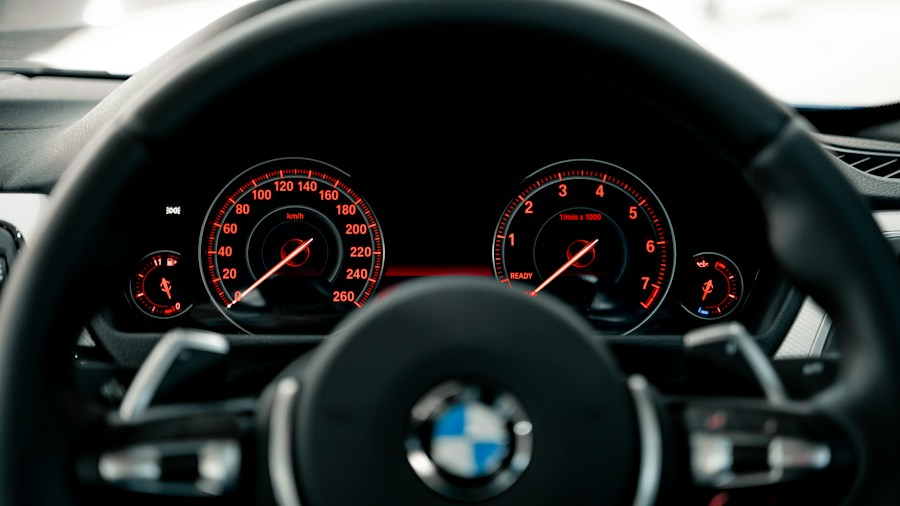
BMW is taking a diverse approach to powertrains, offering gas engines, plug-in hybrids, and the fully electric i3 under the 3 Series family umbrella. For traditional combustion enthusiasts, four-cylinder gas engines will power base models, while the new M350 xDrive will serve as the top performance variant until the full-fat M3 arrives later in the decade.
The M350 xDrive represents a substantial upgrade over the current M340i, featuring a more powerful inline-six engine paired with all-wheel-drive capability. One notable feature incoming buyers should anticipate: rear-wheel-drive mode won’t be available at launch but is scheduled to arrive via over-the-air update in 2027. This staged rollout of features has become increasingly common in modern vehicles, allowing manufacturers to refine software performance before full deployment.
European buyers who traditionally favored diesel engines should note that BMW has discontinued the M340d diesel variant. The future of diesel power in the 3 Series lineup remains uncertain, reflecting broader industry trends toward electrification and emissions reduction. Unlike some competitors, BMW’s approach differs from luxury competitors in powertrain strategy, and shoppers should verify what configurations will be available in their region before committing to a purchase.
Manufacturing and Sustainability Changes
A major shift occurs in manufacturing location: for the first time in the 3 Series’ history, the gas-powered models will not be produced at BMW’s Munich facility. Production is moving to Dingolfing, representing a significant departure from tradition. This change stems partly from the company’s sustainability initiatives, as roughly 25 percent of the new 3 Series will be constructed from recycled materials.
Shoppers interested in BMW’s environmental commitment will find this development noteworthy, though the shift away from Munich production may carry emotional weight for enthusiasts who value heritage and traditional manufacturing locations. The move reflects modern manufacturing efficiency and sustainability goals rather than any quality concerns, according to BMW’s statements.
What’s Missing from the Lineup
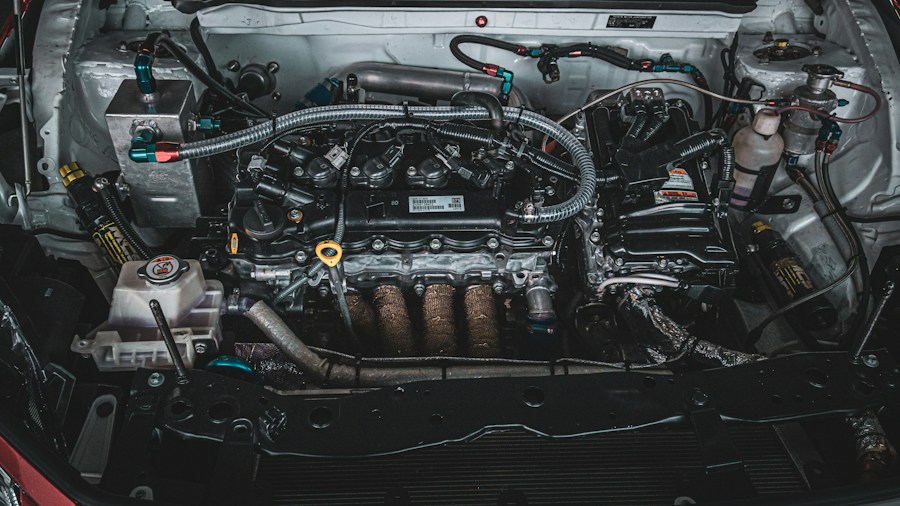
Potential buyers should be aware of what won’t be offered. Manual transmissions appear unlikely to survive this generation, with even the future M3 potentially coming exclusively with automatic transmission. This continues a trend of traditional performance options disappearing from sports sedans across the industry. Additionally, BMW has been simplifying features and design elements across its lineup, a pattern that extends to this generation.
However, BMW has confirmed a new 3 Series wagon will arrive, internally coded as the G51. Station wagon enthusiasts who favor European practicality should look forward to this variant, which will offer additional cargo capacity alongside the sedan’s modern technology.
The Bottom Line for Shoppers
The new 3 Series attempts to serve multiple buyer segments simultaneously: EV customers, plug-in hybrid shoppers, and traditional performance enthusiasts. Whether BMW successfully balances these diverse preferences while maintaining the qualities that made the 3 Series a segment benchmark remains to be seen. The introduction of over-the-air updates, expanded digital interfaces, and sustainability features positions the car as forward-thinking, though drivers accustomed to traditional luxury sedan experiences may require adjustment.
As the unveiling approaches, interested buyers should prepare for a vehicle that represents substantial technological advancement and design evolution. The M350 xDrive’s performance credentials suggest BMW hasn’t abandoned its sporting heritage, but the overall philosophy clearly emphasizes technology, connectivity, and environmental responsibility alongside driving dynamics. This week’s reveal will provide the full picture of how comprehensively BMW has reimagined this legendary model.











Write Your Review
No reviews yet. Be the first to share your experience!