

The Problem With Convertible Interiors Today
When you drop the top on a convertible, the view above becomes part of the driving experience. Yet most convertible owners know that looking up reveals one of the least finished parts of any vehicle’s interior. Exposed mechanisms, visible stitching patterns, and fabric that looks out of place even in economy cars are common sights. Luxury convertibles fare somewhat better, but owners still see the complex mechanical framework and utilitarian fabric that keeps the soft top functional. This design compromise has existed for decades because headliners on convertibles are permanently attached to the top structure itself, making customization nearly impossible and costing manufacturers significant money to produce.
BMW’s New Solution Takes Shape
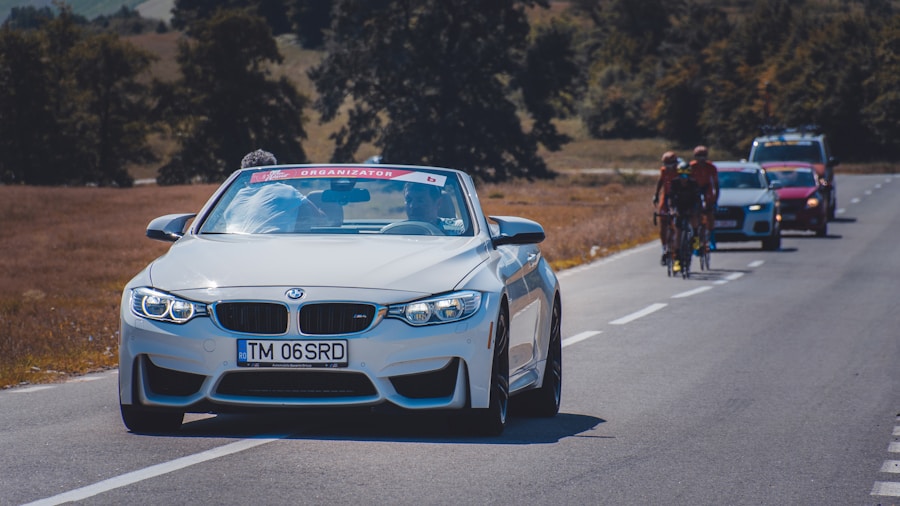
BMW, which owns both the Mini and Rolls-Royce brands, has filed a patent for a detachable headliner system that could transform how convertibles look and feel. Instead of permanently bonding the interior fabric to the soft top, the new design would allow owners to install a separate, customizable headliner using simple fastening methods like Velcro, zippers, buttons, or clips. This modular approach means buyers could swap out the ceiling piece at the factory, at a dealership, or even at home if they choose to upgrade or change the look later.
The patent describes using elastic fabrics that stretch as the roof opens and closes, ensuring a clean appearance without wrinkles or bunching. Engineers working on the concept say different materials, colors, and sound-dampening layers could all be incorporated into these removable liners. What was once a factory-only decision becomes a choice that buyers could revisit throughout their ownership.
Customization Possibilities for Buyers
This technology opens doors that convertible shoppers have never had before. Imagine selecting your BMW 4 Series convertible’s interior color scheme years after purchase, or upgrading to premium materials without replacing the entire roof assembly. The option to add Rolls-Royce’s signature starlight headliner, which uses thousands of fiber optic filaments to create a nighttime light show, suddenly becomes more feasible if manufacturers can simply snap in a pre-made piece rather than hand-installing thousands of individual fibers during production.
The versatility extends even further. Some buyers might want seasonal ceiling designs, rotating between winter and summer aesthetics. Sports fans could theoretically order team-themed liners. Local upholstery shops could potentially create custom options using original patterns as references. While such extreme personalization may remain niche, the framework would exist for early adopters willing to invest in unique customization. For mainstream buyers, even the option to choose from a wider palette of factory colors and materials represents a meaningful upgrade over today’s limited selections.
What This Means for Different BMW Brands
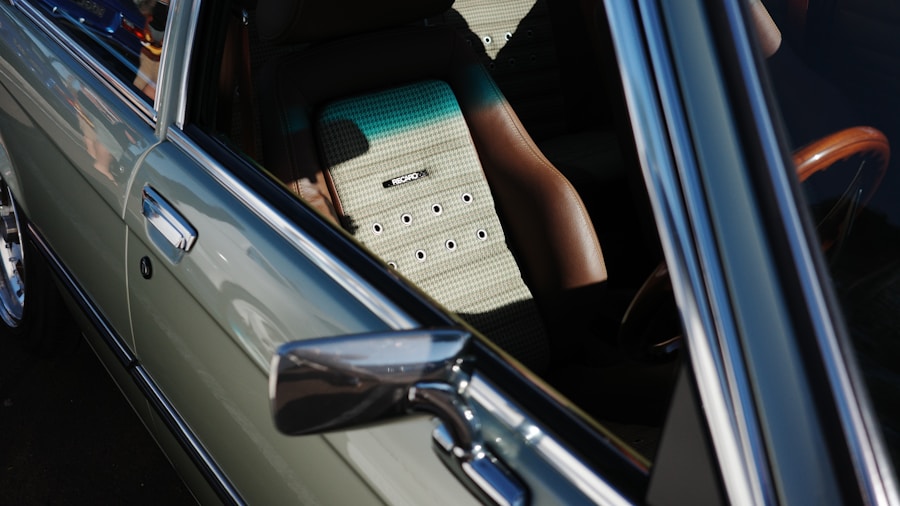
The patent’s implications vary significantly across BMW’s brand portfolio. Rolls-Royce customers already spend half a million dollars or more on their vehicles and routinely accept premium pricing for customization. An additional ten thousand dollars for labor and materials barely registers for this clientele. Where this technology becomes truly game-changing is in the affordable luxury segment, particularly for Mini Cooper convertibles and BMW 4 Series models.
Budget-conscious buyers seeking style and personalization could finally have the high-end customization options previously reserved for ultra-luxury brands. A buyer purchasing a BMW convertible might be willing to spend a few hundred dollars to upgrade their headliner material or color, creating an additional revenue stream for manufacturers without requiring massive retooling of production lines. This makes the concept economically attractive for the company while delivering genuine value to customers.
Timeline and Reality Check
Patent filings don’t guarantee that technology will ever reach production vehicles. Companies file patents routinely to protect intellectual property and secure future options, regardless of immediate implementation plans. BMW hasn’t confirmed that this headliner system will appear on upcoming convertible models. However, the simplicity of the concept and its clear commercial appeal suggest it could eventually make the transition from patent documents to showroom vehicles.
If implemented, convertible shoppers would gain unprecedented control over their interior aesthetics. The days of accepting whatever headliner material the factory provides may finally be numbered, at least for buyers willing to pay for premium customization. For now, interested buyers should monitor BMW’s upcoming convertible announcements to see if this patent technology translates into actual product options.





Write Your Review
No reviews yet. Be the first to share your experience!