

BMW has filed a patent for an innovative go-kart track system that combines physical racing with virtual reality technology, and it could fundamentally change how recreational karting works. Rather than redesigning actual track layouts, BMW’s approach uses virtual barriers visible through AR smart glasses paired with a precise positioning system. This means track operators could change course designs instantly without physically moving barriers or safety equipment.
How the Virtual Track System Works
The core technology relies on sensors positioned around a karting surface that track each kart’s location to within 10 millimeters in real time. Drivers wearing smart glasses see virtual boundaries and obstacles that appear to be real, even though only the physical racing surface exists beneath them. The system knows the exact position of each kart at every moment, allowing it to enforce virtual walls with the same precision as physical ones.
When a driver crosses a virtual boundary, the system can automatically brake the kart to prevent off-course excursions, keeping everyone safe while maintaining the integrity of the race. The glasses can react fast enough that the virtual track feels authentic to drivers, eliminating the delay that might otherwise break immersion. This real-time responsiveness is critical to making the experience feel like traditional karting rather than a simulation.
Benefits for Track Operators and Racers
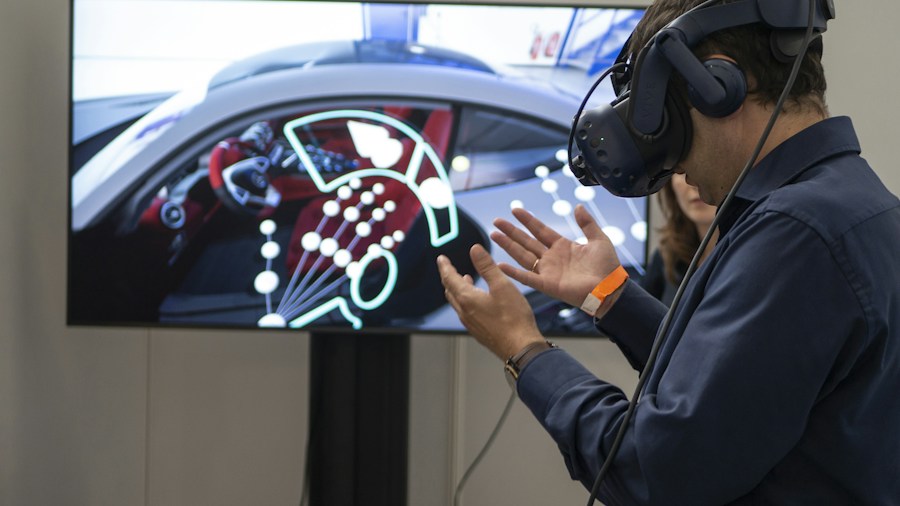
Track operators gain tremendous flexibility with this technology. Instead of being locked into one or two fixed course layouts for months or years, they could offer a completely different track configuration every single day, every race session, or even every lap. A course could be modified mid-race by adding chicanes or new obstacles that drivers see through their glasses and must navigate in real time.
The system could also adjust difficulty dynamically based on driver skill level, potentially creating more competitive races by handicapping experienced drivers or giving less experienced ones a fairer challenge. Better telemetry data collection means racers can analyze their performance against competitors more thoroughly than traditional timing systems allow. For enthusiasts seeking variety, BMW has been increasingly focused on performance innovation, and this patent demonstrates how far that commitment extends beyond traditional vehicles.
What This Means for Karting Fans
The concept opens doors to experiences previously impossible in physical karting. Imagine Mario Kart style gameplay elements integrated into real racing: virtual power ups, timed obstacles that appear and vanish, or shortcuts that only exist in the digital overlay. While the patent itself doesn’t mention game mechanics, the underlying technology certainly supports them.
Safety remains paramount in this design. Drivers still pilot actual karts on a real physical surface at genuine speeds, so the adrenaline and physics of real karting remain unchanged. The only things drivers can actually collide with are the physical track surface and essential safety barriers. Virtual walls prevent crashes by automatically controlling the kart if a driver attempts to leave the designated racing area, combining the thrill of real karting with the flexibility of digital track design.
This technology could extend karting’s appeal to new audiences. Tracks currently struggle with the cost and complexity of modifying physical layouts, which is why many indoor courses remain virtually identical for years. With virtual reconfiguration, venues could continuously refresh their offering without capital investment. For competitive racers, BMW’s engineering tradition of precision suggests this system would deliver the accuracy serious competitors demand.
The Reality Check
It’s important to note that patent filings don’t guarantee a product will ever reach market. Companies file patents regularly to protect intellectual property, regardless of whether they plan to commercialize the technology. BMW hasn’t announced any plans to manufacture karting equipment or build racing venues. However, the level of detail in this patent suggests serious engineering work went into the concept.
The localization accuracy and real-time processing requirements are genuinely challenging technical problems. BMW’s engineers claim the system can locate vehicles within 10 millimeters at typical kart racing speeds while the display responds almost instantly. Achieving that performance consistently would require robust sensor networks and powerful computing systems.
For karting enthusiasts and venue operators, this patent represents a glimpse of how technology could make the sport more accessible, more varied, and ultimately more engaging. Whether BMW decides to pursue this commercially remains unknown, but the innovation demonstrates how automotive engineering expertise could transform experiences outside the automotive industry. Until an official announcement arrives, this remains an intriguing possibility rather than confirmed reality.











Write Your Review
No reviews yet. Be the first to share your experience!