

The Chevrolet Camaro is making a comeback
After being discontinued following the 2024 model year, Chevrolet has confirmed that the iconic Camaro nameplate will return for 2029. This revival marks an important moment for the brand and the American muscle car segment, filling a performance gap that has existed since the car left the market. The new generation will compete directly with the Ford Mustang and Dodge Charger, both of which have recently introduced sedan variants to capture a broader audience.
What the redesigned Camaro will look like
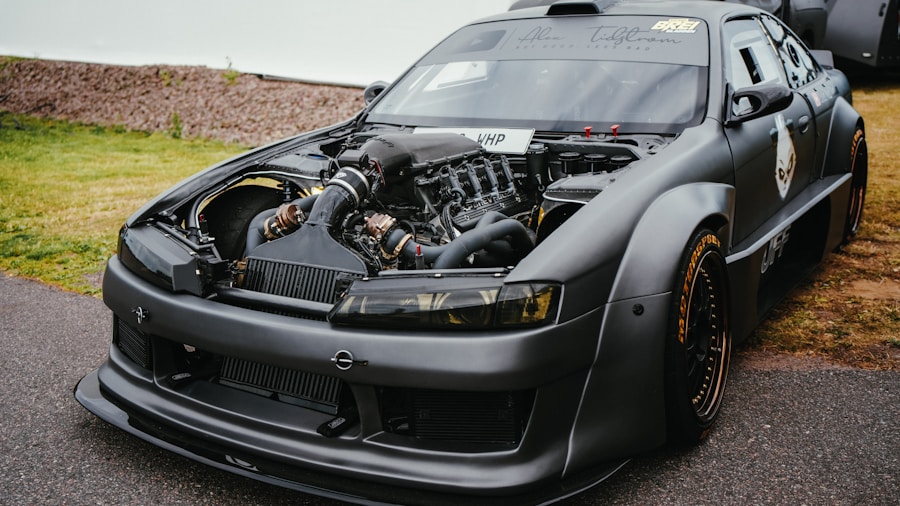
The upcoming Camaro will take on a fresh shape that prioritizes versatility. Instead of offering only a traditional two-door coupe, Chevrolet plans to introduce the car primarily as a four-door sedan, mirroring the strategy employed by competitors. However, reports suggest that a two-door variant with a 2+2 seating arrangement may also be available, preserving some of the classic Camaro character for enthusiasts. The seventh-generation model will reportedly feature a fastback design with a sloping roofline and hatchback integration, drawing visual inspiration from the beloved third and fourth-generation Camaros that helped define the nameplate.
Engine options and powertrain details
Chevrolet will offer multiple engine choices to appeal to different buyer priorities. The base model is expected to feature a turbocharged 2.7-liter inline-four engine borrowed from the Cadillac CT4, producing around 325 horsepower. For those seeking more power, an optional 6.7-liter V-8 that debuts in the 2027 Corvette will be available, delivering 535 horsepower and 520 pound-feet of torque. This represents a meaningful increase over the previous generation’s V-8 output. A 10-speed automatic transmission appears certain, and enthusiasts will hope that Chevrolet offers a six-speed manual like the outgoing model and current high-performance Cadillac sedans. The brand has indicated that an all-wheel-drive option may be available, which would help the Camaro compete in colder climates and provide an alternative for shoppers comparing it to the Charger and Mustang.
Platform and performance foundation
The new Camaro will be built on an updated version of the Alpha platform, the same architecture that underpinned the previous generation. This proven foundation also supports the latest Cadillac CT4 and CT5 sedans, which have won numerous performance awards. The reworked Alpha 2 architecture will prioritize front-engine, rear-wheel-drive dynamics, maintaining the Camaro’s traditional handling character. This platform choice signals Chevrolet’s confidence in its existing technology and allows for quality control during the development phase.
Pricing expectations for shoppers
Affordability will be key to the Camaro’s success. Chevrolet plans to position the base four-cylinder model around the 40,000 dollar mark, making it accessible to younger buyers and first-time performance car shoppers. V-8 models are expected to start above 50,000 dollars, though still below the Corvette’s 72,000 dollar entry price. This pricing strategy positions the Camaro as an attainable gateway into Chevrolet’s performance lineup, without directly cannibalizing Corvette sales. As you evaluate tires and suspension parts for future performance vehicles, keep in mind that proper tire maintenance becomes critical when ownership transitions occur.
Timeline and production details
Production is scheduled to begin in late 2027 at the Lansing Grand River Assembly plant in Michigan, with sales expected to commence in 2028, though some reports indicate the debut might slip to 2029. This timing places the new Camaro in a competitive market where multiple manufacturers are refreshing their performance sedan lineups. The decision to build the Camaro alongside Cadillac and Buick models at the same facility ensures quality consistency and efficient manufacturing practices.
What this means for muscle car buyers
The Camaro’s return signals that Chevrolet remains committed to delivering driver-focused vehicles powered by traditional internal-combustion engines. At a time when many manufacturers are shifting toward electrification, this decision reflects the continued demand for accessible, performance-oriented machines. Shoppers interested in the Camaro should begin thinking about their priorities now: whether they value the practicality of four doors, the exclusivity of a two-door option, or the simplicity of four-cylinder efficiency versus the drama of V-8 power. This new generation will offer something for multiple buyer personas, from daily commuters seeking spirited performance to enthusiasts hunting for an affordable route into the muscle car segment.









Write Your Review
No reviews yet. Be the first to share your experience!