

General Motors just announced significant engine upgrades for the 2027 Chevrolet Colorado and GMC Canyon midsize pickup trucks, and the move could reshape how shoppers compare trucks in this segment. The redesigned models will feature an enhanced 2.7-liter turbocharged four-cylinder engine that delivers 350 horsepower and 455 lb-ft of torque, positioning these vehicles as the most powerful midsize trucks on the market with one notable exception.
What Changed Under the Hood
The new engine, designated the L4B TurboMax, represents a significant evolution from GM’s previous L3B design. While displacement remains unchanged at 2.7 liters, engineers have completely revamped the turbocharging system and thermal management to extract considerably more power. A major priority for GM was reducing engine noise and vibration, resulting in a smoother operating experience compared to the outgoing generation. This combination of performance and refinement addresses longtime customer complaints about turbo four-cylinder engines feeling harsh under load.
The specifications speak for themselves: 350 hp arrives at 5,200 rpm, while peak torque of 455 lb-ft kicks in at just 3,000 rpm. This low-end torque delivery makes the engine more responsive during everyday driving and improves towing capability across a broader power band.
How This Stacks Up Against Competitors
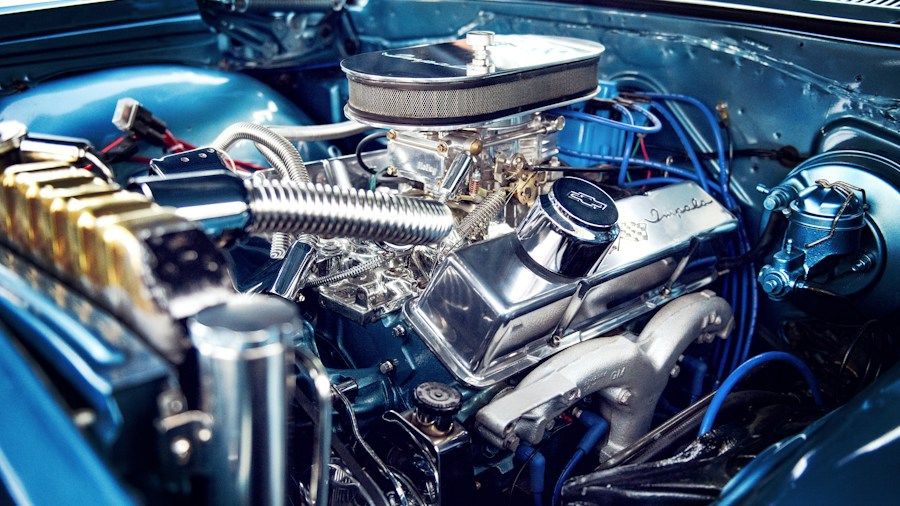
When comparing midsize trucks, the Tacoma Hybrid has long held a reputation for strong performance. However, the new L4B engine surpasses the Tacoma Hybrid’s 350 horsepower output and nearly matches its 465 lb-ft of torque advantage. The Tacoma remains a formidable contender in the segment, but the Colorado and Canyon now offer a compelling alternative for buyers prioritizing horsepower and turbo responsiveness.
Ford’s Ranger Raptor stands as the lone exception to GM’s dominance in this class. Its 3.0-liter EcoBoost V6 engine produces 405 horsepower, which technically edges out the new L4B by 55 hp. However, the Ranger Raptor occupies a premium high-performance tier with corresponding pricing, whereas the standard Colorado and Canyon will offer this power at a more accessible price point.
Compared to the Nissan Frontier and standard Ford Ranger, the new Colorado and Canyon deliver substantially more horsepower. This represents a significant shift in the midsize pickup landscape, where four-cylinder engines have traditionally lagged behind their larger counterparts.
What This Means for Shoppers
For truck buyers evaluating their options, this development introduces a more powerful turbocharged alternative to hybrid and naturally aspirated engines. If you’re cross-shopping vehicles and prioritize low-end torque and engine response, the 2027 Colorado and Canyon deserve serious consideration. The improvements to noise and vibration also address past criticisms of GM’s turbo engines, making them more competitive with engines that have longer track records of refinement.
The lower 3,000 rpm torque arrival point means better acceleration from a stop and improved towing performance without needing to rev the engine hard. For truck owners who frequently tow trailers or carry heavy loads, this characteristic provides real practical benefits beyond just headline horsepower numbers.
Budget-conscious shoppers should note that staying informed about vehicle reliability and potential recalls is critical when choosing between these vehicles. While raw power matters, long-term dependability and resale value should factor heavily into your decision.
The Broader Market Implications
This move by GM signals that the midsize truck market is becoming increasingly competitive on performance metrics. Manufacturers are responding to customer demand for capability without sacrificing everyday drivability. The introduction of this more powerful turbo four-cylinder in the Colorado and Canyon could push competitors like Toyota to enhance their own offerings or risk losing performance-focused buyers.
The 2027 model year represents a meaningful turning point where midsize pickups can genuinely rival full-size trucks in engine output, even as they maintain better fuel economy and maneuverability. For shoppers who’ve always defaulted to full-size options purely for power, the Colorado and Canyon now present a legitimate smaller alternative.
If you’re in the market for a new midsize truck, the timing of these updates makes 2027 an excellent year to evaluate your options. The Colorado and Canyon’s new engine delivers genuine performance advantages that will matter whether you’re towing, hauling, or simply enjoying spirited driving.











Write Your Review
No reviews yet. Be the first to share your experience!