

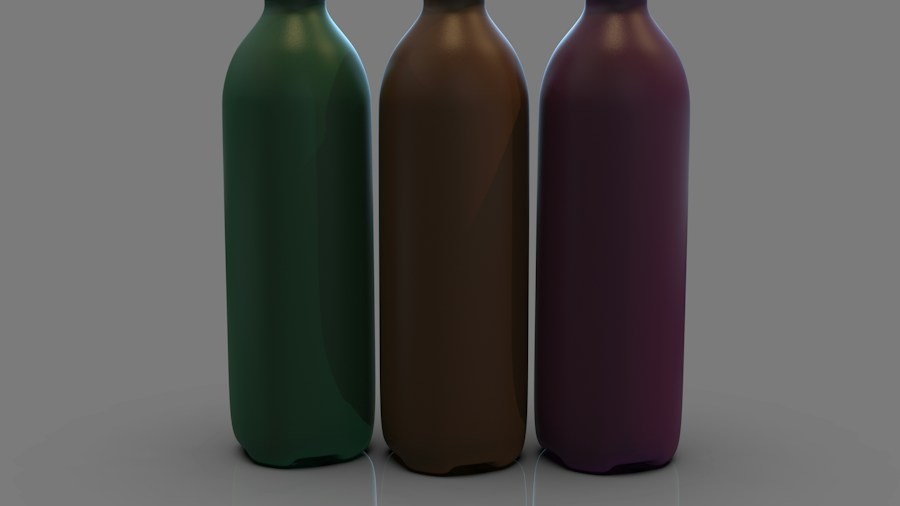
When it comes to vehicle maintenance, many car owners assume that coolant color is the primary factor in choosing a replacement. Purple, green, red, orange: the variety of hues at the auto parts store can seem overwhelming. However, industry professionals warn that relying on color alone to select coolant is a dangerous misconception that could damage your engine and lead to costly repairs.
Why Color Should Not Drive Your Decision
Coolant formulations vary widely based on manufacturer specifications and vehicle design. A purple coolant, for instance, is commonly used in European vehicle applications but may not be suitable for American domestic or Asian imports. The visible color of the fluid is essentially a dye added to the base chemical formulation and serves primarily as a visual aid for technicians and owners to identify the fluid type, not as a guarantee of compatibility.
Different coolant types contain distinct additives designed to protect specific engine metals and plastic components from corrosion, scaling, and thermal breakdown. When you select the wrong formulation simply because it matches the color you remember, you risk introducing incompatible additives into your cooling system. This mismatch can reduce protection, cause additive dropout, and potentially lead to overheating, rust formation, or even engine failure.
The Importance of Verifying Specifications
The correct approach to coolant replacement begins before you reach the parts counter. Check your vehicle’s owner manual or the radiator cap label to identify the exact coolant specification your engine requires. Many manufacturers use specific designations such as OAT (Organic Acid Technology), HOAT (Hybrid Organic Acid Technology), or traditional inorganic formulations. Modern additives and fluid technologies continue to evolve, making it even more critical that you match the factory recommendation rather than guessing based on appearance.
Your vehicle’s cooling system is engineered to function with a particular coolant type. The additives in that formulation work synergistically with rubber seals, gaskets, and the internal metals of your engine block, radiator, and water pump. Substituting a different formulation, even if it appears to be the same color, can compromise this protective chemistry and shorten the lifespan of your entire cooling system.
What This Means for Your Shopping Strategy
Before buying coolant, take two simple steps. First, locate your vehicle identification number (VIN) or consult your manual to determine the exact coolant type and specification code. Second, share this information with the parts associate or do your research online to confirm the product matches your requirement.
When you arrive at the store, look beyond the color. Read the product label carefully. It should clearly state the vehicle makes and models it is designed for, the specification it meets, and any relevant certifications. Many coolants are formulated for specific groups of vehicles, so a product that works perfectly for a 2020 Honda may not be appropriate for a 2020 Ford.
Mixing Coolants: A Common Mistake
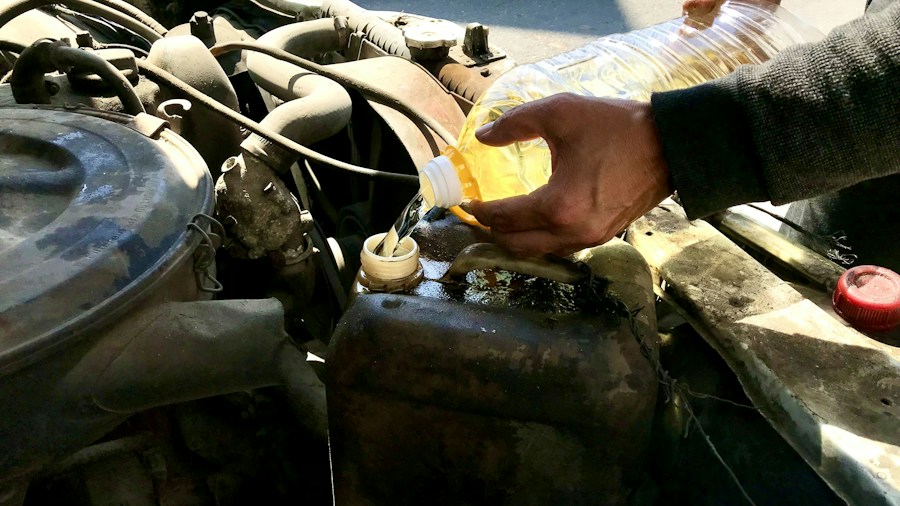
Never mix different coolant types, even in an emergency situation. If your cooling system is low and you are far from home, use distilled water as a temporary measure rather than adding an unknown coolant type. Mixing incompatible formulations causes the additives to precipitate out of solution, reducing their effectiveness and potentially creating sludge inside your radiator and engine passages.
This misunderstanding affects countless vehicle owners each year. Many do-it-yourself enthusiasts and even some service shops have inadvertently caused cooling system failures by selecting coolant based on color matching rather than specification matching.
The Bottom Line for Smart Shoppers
Coolant color is a tool for identification, not a guarantee of compatibility. Your engine’s protection depends on using the exact formulation your manufacturer recommends. Take the time to verify the correct specification before purchasing, and you will avoid expensive repairs and ensure your vehicle operates safely and reliably for years to come. When in doubt, consult your owner’s manual or ask a knowledgeable parts professional who can help you select the right product based on your vehicle’s actual requirements rather than guessing based on what the liquid looks like.











Write Your Review
No reviews yet. Be the first to share your experience!