

The 1980s brought us neon colors, big hair, MTV, and a host of car modifications that seemed like must-have upgrades at the time. One of the most unusual car accessories from that era was the curb feeler, also called curb finders or car whiskers by enthusiasts. These spring-loaded metal devices were designed to alert drivers when their vehicle was about to hit a curb, protecting tires, rims, and hubcaps from costly damage.
What Were Curb Feelers and How Did They Work?
Curb feelers were simple yet effective analog gadgets that mounted low on the vehicle near the wheels, extending roughly a foot from the body. Most commonly installed on the passenger side where curbs typically sit, they were positioned ahead of the front wheel for maximum effectiveness. When a vehicle approached too close to a curb, these metallic whiskers would make contact and produce an unmistakable grinding, screeching sound that could be heard and felt throughout the entire car. The noise was intentionally harsh and unpleasant, designed to grab the driver’s attention immediately before a collision occurred.
The invention of the curb feeler dates back to the 1950s, when Olas Pitt of Paducah, Kentucky filed a patent for the device in November 1957, which was approved in September 1959. The technology emerged during the post-World War II economic boom, a time when many American roads featured particularly tall and unforgiving curbs. While curb feelers were popular throughout the 1960s and 1970s, they experienced a significant resurgence of interest during the 1980s, particularly among the lowrider community and custom car enthusiasts who appreciated the nostalgic, tricked-out aesthetic these devices provided to their vehicles.
Why Drivers Really Needed Them in the 1980s
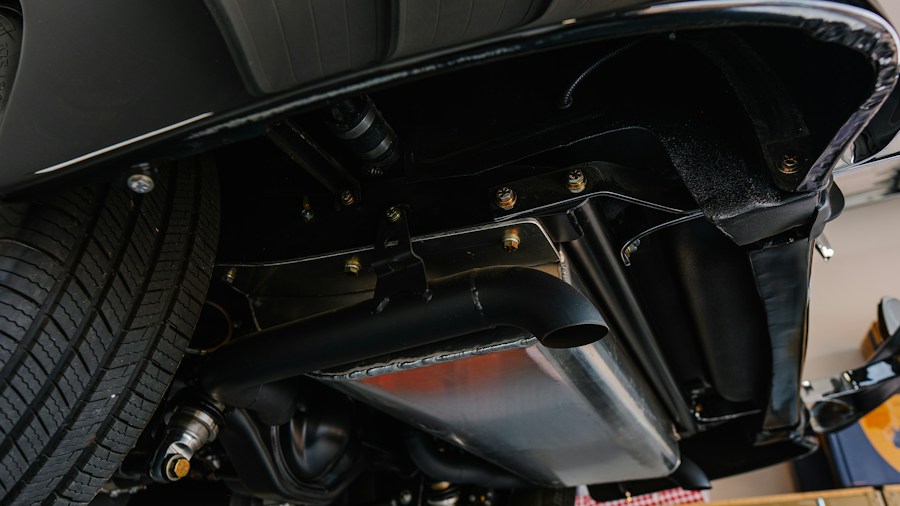
During the 1980s, many vehicles on the road were older models that lacked modern conveniences and technology. Cars were often massive, difficult to maneuver, and featured poor visibility. Most vehicles had static side mirrors that required manual adjustment, and even then, they rarely provided adequate visibility of the tires and wheels over the bulbous fenders. Drivers had to awkwardly stretch across the vehicle to adjust the passenger-side mirror, making it nearly impossible to judge proximity to curbs safely. In this pre-digital era, a simple mechanical device like a curb feeler represented a practical, low-cost solution to a genuine problem that affected countless drivers.
The Rise of Modern Technology and the Decline of Curb Feelers
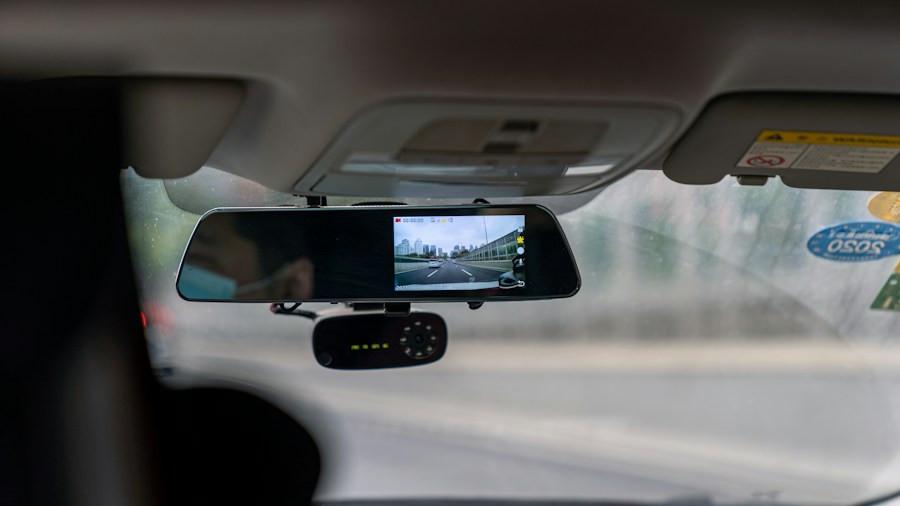
Today’s vehicles are equipped with technology that curb feelers could never provide. Modern cars feature overhead 360-degree cameras, sophisticated driver-assist systems, automated parking functions, and digital sensors that make curbing your tires virtually impossible. Power side mirrors with integrated blind-spot detection give drivers comprehensive views without manual adjustment. These advances have made the mechanical curb feeler obsolete for most drivers, rendering the device unnecessary for everyday driving.
The shift from analog to digital solutions happened gradually as automotive technology advanced throughout the 1990s and 2000s. Modern car accessory innovations focus on connectivity and automation rather than simple mechanical solutions, reflecting how consumer expectations have evolved. What was once an essential protective device became a quaint relic of automotive history.
Can You Still Buy Curb Feelers Today?
Despite their decline, curb feelers have experienced occasional revivals as retro styling elements and statement pieces. Enthusiasts interested in vintage aesthetics or authentic period builds can still find curb feelers available online from specialty retailers and aftermarket suppliers. Some automotive customizers and classic car restorers intentionally install them for authenticity when rebuilding vehicles from specific eras. The lowrider and custom car communities continue to appreciate curb feelers as nostalgic styling accessories that evoke the golden age of American automotive culture.
While most modern drivers will never need or want a curb feeler, understanding their history provides insight into how automotive technology and driver safety have evolved. Today’s vehicle accessories emphasize digital integration and advanced protection systems that would seem like science fiction to drivers of the 1980s. The transition from curb feelers to computerized parking systems illustrates the remarkable pace of automotive innovation over the past four decades.
What This Means for Today’s Shoppers
For contemporary car owners, the obsolescence of curb feelers is good news. Modern vehicles eliminate the need for these mechanical workarounds through built-in safety technology that provides superior protection and convenience. Whether you’re shopping for genuine safety upgrades or authentic restoration parts for a classic vehicle, understanding the history of car accessories helps you make informed purchasing decisions. If you’re restoring a vintage vehicle or simply appreciate automotive nostalgia, curb feelers remain available, but for everyday driving, modern digital solutions provide far superior performance and reliability.











Write Your Review
No reviews yet. Be the first to share your experience!