

Understanding Why Your Headlights Lose Brightness Over Time
Many vehicle owners notice that their headlights seem dimmer than they used to be, even though the bulbs still turn on. This common problem happens because of the way halogen bulbs are designed and how they function over their lifespan. Understanding what causes this dimming can help you make informed decisions about vehicle maintenance and safety.
Inside every halogen headlight bulb is a tungsten filament that serves as the light source. As the filament heats up and operates, a gradual but steady process begins. Tiny particles of tungsten start to break away from the filament itself. These particles don’t simply disappear into thin air. Instead, they travel through the bulb and stick to the inside of the glass envelope. Over time, this buildup of tungsten coating on the interior of the glass acts like a filter, blocking and reducing the amount of light that can pass through and reach the road.
The result is frustrating for drivers: the bulb still lights up and functions, but it produces noticeably less light than it did when it was brand new. You might think the bulb is about to fail, but in reality, the bulb could continue operating for some time while steadily losing brightness.
How the Dimming Process Accelerates Bulb Failure
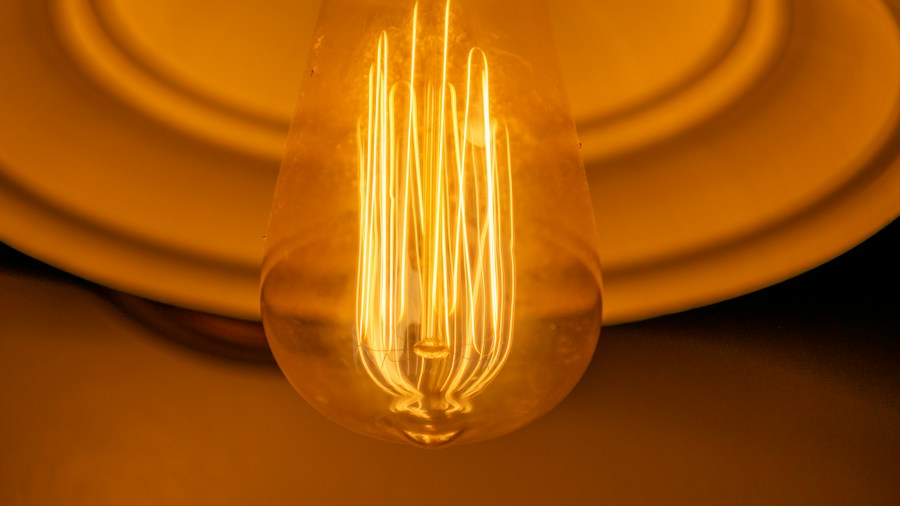
The same process that causes dimming also triggers faster burnout. As the tungsten filament loses material to that coating on the glass, the filament becomes progressively thinner and weaker. A thinner filament means increased electrical resistance, which causes the bulb to run hotter than it should. Higher operating temperatures make the remaining filament even more fragile and prone to breaking.
Road vibrations and bumps become a threat to these weakened filaments. The mechanical stress from everyday driving can push a deteriorated filament over the edge, causing it to snap and the bulb to burn out completely. So a bulb that was merely dim yesterday could be completely dark tomorrow.
This is why regular inspection of your vehicle’s lighting is important. Dim headlights compromise your visibility and your safety on the road, especially during evening driving or in poor weather. If you notice reduced light output from your headlights, replacement is worth considering sooner rather than later, even if the bulbs technically still work.
The Smart Replacement Strategy: Replace Both Bulbs at Once
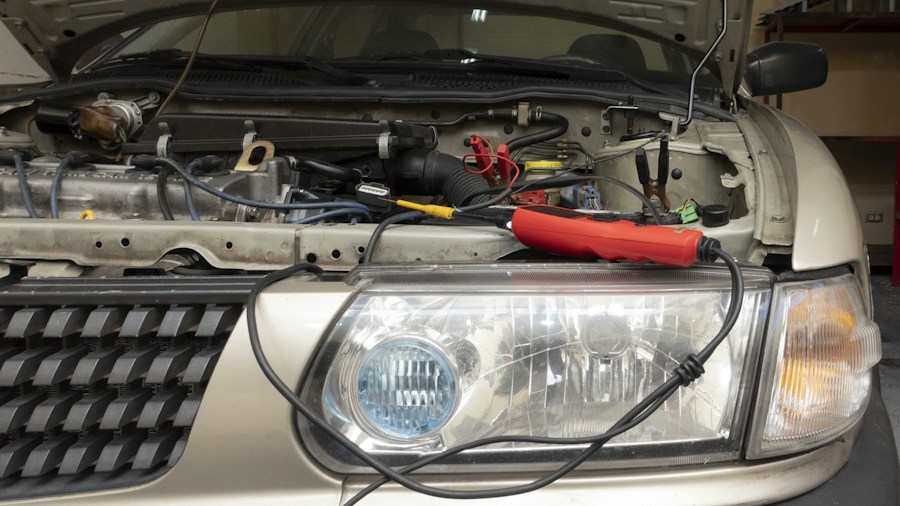
Most vehicles have headlight bulbs installed in pairs, and in almost every case, both bulbs are the same age. This fact matters more than many drivers realize. If one bulb is dimming significantly or has burned out, the other is likely close behind. Both are experiencing the same aging process simultaneously.
When you replace just one bulb, you create an imbalance in your lighting. The new bright bulb on one side will contrast sharply with the older, dimmer bulb on the other side. This uneven illumination can actually be distracting while driving and may not provide optimal visibility of the road ahead. Modern vehicle maintenance emphasizes the importance of balanced systems, whether it’s tire performance or lighting output.
Replacing both headlight bulbs at the same time restores equal brightness on both sides of your vehicle, ensuring consistent visibility in both directions. This approach also saves you money and frustration over the long term. By replacing the pair now, you avoid the scenario where the second bulb fails a few weeks later, forcing you to make another trip to purchase and install another bulb. Many drivers and shop professionals recommend this strategy as a best practice.
Maintaining Peak Lighting Performance
Beyond just replacing dimming bulbs, keeping your headlights in top condition requires attention to a few other factors. Clean your headlight lenses regularly, as dirt and oxidation buildup can reduce light output almost as much as a failing bulb. Regular vehicle maintenance includes checking all exterior lighting to catch problems early.
When you do replace your bulbs, verify that you’re using the correct wattage and type for your specific vehicle. Your owner’s manual or a professional service advisor can confirm the right specifications. Using incorrect bulbs may provide inadequate lighting or could damage your vehicle’s electrical system.
If your headlights are consistently dim and replacing the bulbs doesn’t solve the problem, the issue might be electrical. A weak alternator, corroded battery terminals, or faulty wiring could all reduce the power reaching your headlights. In those cases, professional diagnosis becomes necessary.
Staying aware of your vehicle’s lighting performance is part of responsible vehicle ownership. Your headlights are critical safety equipment that affects your ability to see the road and your visibility to other drivers. By understanding why halogen bulbs dim over time and responding promptly when you notice reduced brightness, you keep yourself and others safer on the road. Quality maintenance practices across all vehicle systems contribute to overall safety and reliability.











Write Your Review
No reviews yet. Be the first to share your experience!