

South Korea’s Hankook Tire, currently the world’s seventh-largest tiremaker, is making ambitious moves to reach the global top five. For American shoppers and tire buyers, this competitive push means more innovation, wider availability, and fresh supply-chain strategies that could affect both pricing and product access in the coming years.
The Big Picture: Hankook’s Growth Playbook
Hankook’s leadership outlined a multi-pronged strategy during recent conversations at the company’s headquarters in Seoul. The plan relies on several interconnected tactics: securing more original equipment (OE) contracts with automakers, developing technology for electric and hybrid vehicles, expanding U.S. manufacturing capacity, and pushing into the commercial truck tire market.
Each of these moves is designed to build brand recognition and market share. When a tire is installed at the factory on a new vehicle, millions of drivers experience that brand firsthand. When it comes time to replace those tires, many customers remember that positive experience and choose the same brand. That relationship between factory-installed tires and replacement sales is central to Hankook’s growth.
North America and the Tennessee Plant

North America represents approximately 32% of Hankook’s global OE business, making it a critical market. The company operates a manufacturing facility in Tennessee that currently supplies domestic automakers and is positioned to grow. Tariffs and trade uncertainty have made regional manufacturing increasingly valuable; building tires locally reduces exposure to tariff shock and supply disruptions.
The Tennessee plant also offers future flexibility. Hankook is preparing infrastructure to export some production to Europe, demonstrating how modern tire manufacturers operate as global supply networks while still serving regional demands. This strategy protects shoppers by ensuring more stable availability and potentially more predictable pricing compared to scenarios where all supply depends on distant sources.
Electric and Hybrid Vehicle Technology
U.S. consumers are adopting battery-electric vehicles more slowly than buyers in Europe or Asia, but hybrid vehicles are gaining traction, especially from Japanese automakers. Hankook has developed a dedicated line of electrified vehicle tires under the iON brand, but the company is strategically broadening its approach to include hybrids alongside full EVs.
This matters for buyers because it means Hankook is tailoring tire technology to match real-world adoption patterns rather than chasing a single trend. As charging infrastructure improves and autonomous vehicle fleets expand, tire manufacturers will need to think differently about both original equipment and replacement supply chains. Supply chain leadership changes in the tire industry underscore how seriously companies are taking these transitions.
Commercial Truck Tires: A New Front
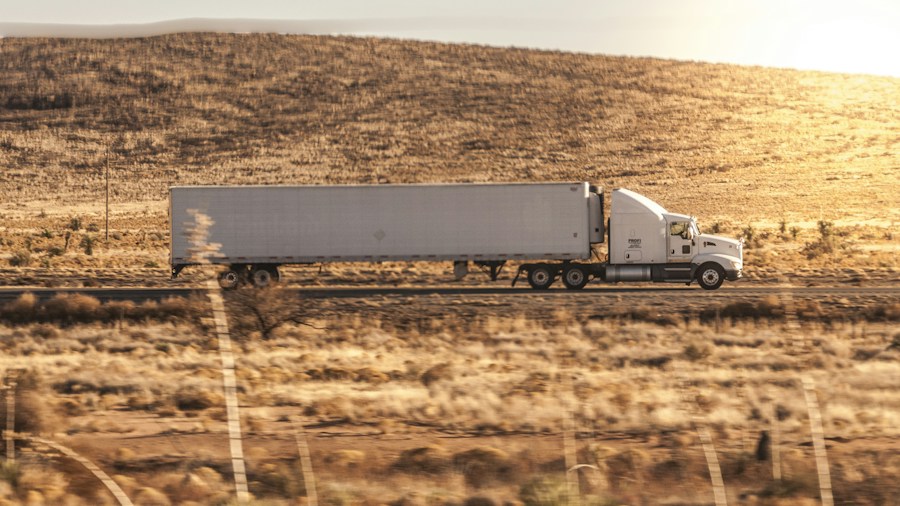
While Hankook is known for passenger and light-truck tires, the company is actively working to expand its commercial truck tire (TBR) business. Success in Europe has given Hankook experience supplying major truck manufacturers, and it plans to apply that expertise in North America. For consumers and fleet operators, more competition in the commercial tire space typically means better pricing and product options.
Building these relationships is demanding. OE contracts require meeting strict technical standards, competitive pricing, and reliable supply. But they also validate a manufacturer’s technology and create a pathway to broader market recognition. Original equipment tire selections reveal how automakers evaluate quality and performance under real-world conditions.
Sustainability and Regulatory Pressure
California is tightening replacement tire efficiency standards, and European regulations already demand higher performance and lower environmental impact. Hankook has been developing technology to meet these emerging standards for years. If stricter rules roll out across the U.S., the company is positioned to respond quickly, which could give shoppers access to more efficient, durable products without long delays.
In Europe, sustainability is no longer just an environmental promise, it is a business requirement. Automakers face tightening emissions and supply-chain regulations, and they demand the same from tire suppliers. This trend is gradually reaching North America, pushing all tire manufacturers toward cleaner materials and production practices.
What This Means for Tire Shoppers
Hankook’s push into the global top five signals increased competition at the highest levels of the tire industry. That competition typically benefits consumers through faster innovation, wider product selection, and pressure on pricing. As the company wins more OE contracts and grows its U.S. manufacturing footprint, shoppers will encounter Hankook tires more frequently, both as original equipment and in replacement offerings.
The company’s focus on hybrid and electric vehicle technology also means better tire options will be available sooner if you drive or plan to purchase one of those vehicles. And as automakers worldwide adopt more stringent tire requirements, manufacturers like Hankook that have invested early in efficiency and sustainability standards will have an advantage in meeting customer and regulatory demands.
For independent tire dealers and large retailers, Hankook’s growth ambitions could reshape supplier relationships and product availability in your region. Keep an eye on how the company’s expanded Tennessee production rolls out; it may offer new opportunities or shift inventory patterns over the next few years. Understanding tire technology and maintenance helps you make informed decisions when choosing replacement tires.











Write Your Review
No reviews yet. Be the first to share your experience!