

A Rare Movie Prop Gets a Second Life in the Desert
When fabricators at Grind Hard Plumbing Co discovered an authentic Fast and Furious 7 film stunt car sitting abandoned in Montana, they didn’t restore it to its original pavement-racing glory. Instead, they embarked on an audacious engineering project that blends Hollywood cinematic history with high-performance off-road capability. This unusual build demonstrates both the creative potential of custom vehicle fabrication and the real-world challenges builders face when combining exotic styling with legitimate desert performance.
The starting point was a complete fiberglass shell of a first-generation Audi R8, one of seven identical replicas constructed specifically for the blockbuster film. Rather than displaying this rare prop indoors, the team made the unconventional decision to graft it onto the chassis of a thoroughly race-prepared 2017 Can-Am Maverick X3 Turbo side-by-side. The result promises to be a legitimate off-road machine wearing supercar styling, though the engineering obstacles proved far more complex than initially anticipated.
Starting with a Race-Proven Foundation
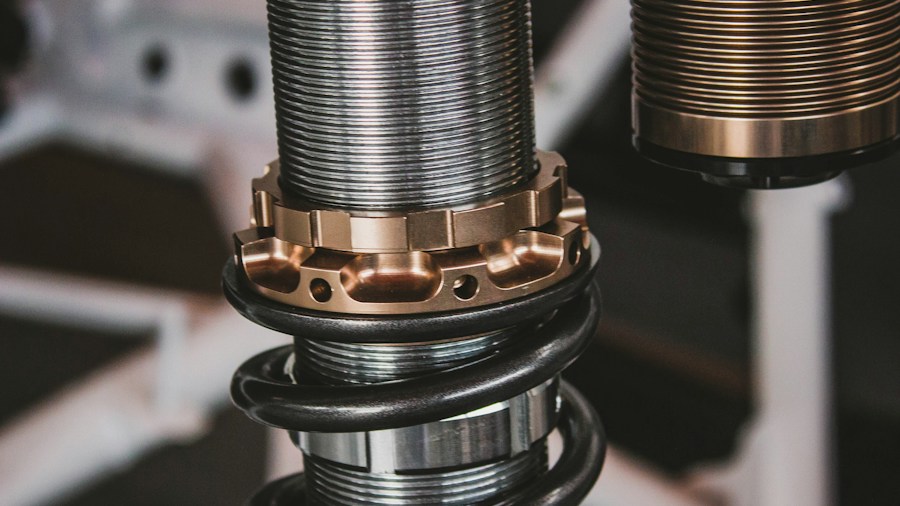
The Can-Am Maverick X3 Turbo donor vehicle already brought serious credentials to the project. This particular unit featured a 240-horsepower performance tune, heavy-duty trailing arms, King internal bypass shocks, race radios, GPS tracking, and a fortified roll cage. The machine had already proven itself in grueling off-road endurance events, making it an ideal platform for extreme modification. What made the project feasible at all was a fortunate coincidence: the side-by-side’s 104-inch wheelbase nearly matched the Audi shell’s 103-inch dimensions almost perfectly.
Before undertaking major surgery on the frame, the team stripped the Can-Am down and took it for one final high-speed run across their mountain dirt course. Without the extra weight of unnecessary brackets and panels, the turbocharged buggy became an even more aggressive stunt machine, catching over three seconds of air time off their backyard berms. This final test drive proved the donor platform’s raw capability, setting a baseline for what the finished Audi R8 pre-runner would need to accomplish.
Radical Frame Modifications for Proper Proportions
Getting the sleek Audi body to sit at the correct ride height without appearing like a lifted monster truck required extensive frame surgery. The stock Can-Am roll cage had to be cut away, and the fabricators discovered that the fiberglass shell didn’t align properly with the vehicle’s rear suspension geometry. The solution was dramatic: they sliced the main tubular chassis completely in half directly behind the cockpit and stretched the entire structure by three inches. This wasn’t a straightforward process; it involved custom lathe-turned inner sleeves, heavy ratchet straps, and what the team described as considerable sledgehammer persuasion to slide the frame extensions into position.
Once welded back together, the team fabricated an entirely new roll cage from fresh 1.5-inch and 1.75-inch DOM steel tubing, fitting it cleanly inside the Audi’s cabin footprint. As builders who regularly tackle challenging off-road modifications know, structural reinforcement is non-negotiable when combining lightweight exotic bodywork with serious suspension articulation.
Squeezing Massive Suspension Travel Under a Low Roofline
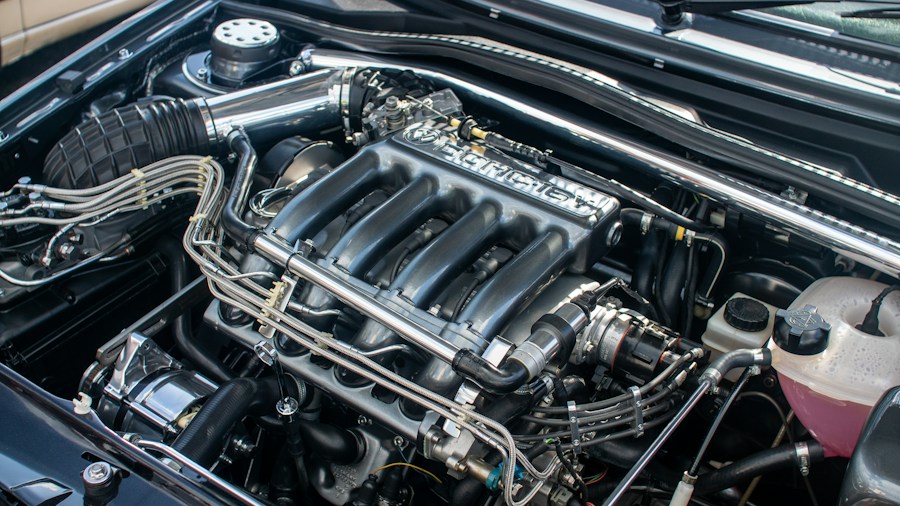
The single biggest engineering challenge wasn’t speed or power; it was packaging up to 24 inches of suspension travel from the King coilovers inside a supercar body designed for a completely different purpose. The Can-Am’s massive off-road tires swing violently upward over big landings, requiring significant wheel arch clearance that a low-slung exotic simply wasn’t built to accommodate. The team aggressively trimmed the fiberglass fender lines and wheel openings to allow the suspension to articulate without destroying the bodywork.
The low roofline introduced severe ergonomic complications. With race helmets on, headroom became practically nonexistent. The builders had to ditch the Can-Am’s double-walled aluminum race fuel cell and relocate the bucket seats nearly to the floor pans, pushing them roughly eighteen inches further back than a factory R8 driver would sit. This unusual seating position created another problem: forward visibility over the broad fiberglass hood dropped to nearly zero. Similar visibility challenges affect many off-road enthusiasts, whether they’re driving capable trail machines or extreme custom builds.
What This Means for Off-Road Shoppers
While few buyers will ever commission a Hollywood prop conversion, this project reveals important truths about off-road vehicle engineering. Combining low-slung styling with genuine desert performance requires difficult compromises in visibility, ergonomics, and structural integrity. Buyers seeking vehicles that balance both on-road appearance with legitimate trail capability must understand that every design choice involves tradeoffs.
The finished Audi R8 pre-runner will eventually undergo high-speed desert shakedowns with its 240-horsepower engine, custom suspension geometry, and reinforced structure. Whether you’re shopping for production off-road vehicles or considering custom fabrication work, this Montana build demonstrates why working with experienced fabricators and understanding your platform’s limitations matters tremendously.











Write Your Review
No reviews yet. Be the first to share your experience!