

Historic flooding across central Bangkok has forced Honda to temporarily pause motorcycle production at its Thai manufacturing facility, creating potential supply ripple effects for buyers worldwide. The disaster has affected multiple industries and claimed dozens of lives, while disrupting the operations of one of Asia’s largest motorcycle manufacturers.
What Happened in Thailand
Severe flooding inundated Bangkok and surrounding regions, resulting in 40 deaths and displacing thousands of residents. Over 150 schools sustained water damage, with many converted into evacuation shelters for affected families. Beyond residential areas, the floods struck at the heart of Thailand’s manufacturing sector. Four Toyota plants and the Honda motorcycle facility in Lat Krabang suspended operations due to the crisis. Thai Airways also curtailed cargo flights, and major baggage delays affected thousands of travelers at Bangkok’s primary airport.
Honda’s motorcycle plant was spared direct structural damage from floodwaters, but the severely inundated streets made it nearly impossible for employees to reach the facility. Local authorities deployed water pumps and boats to redirect flood waters into nearby canals as part of ongoing relief efforts.
Impact on Motorcycle Supply and Availability
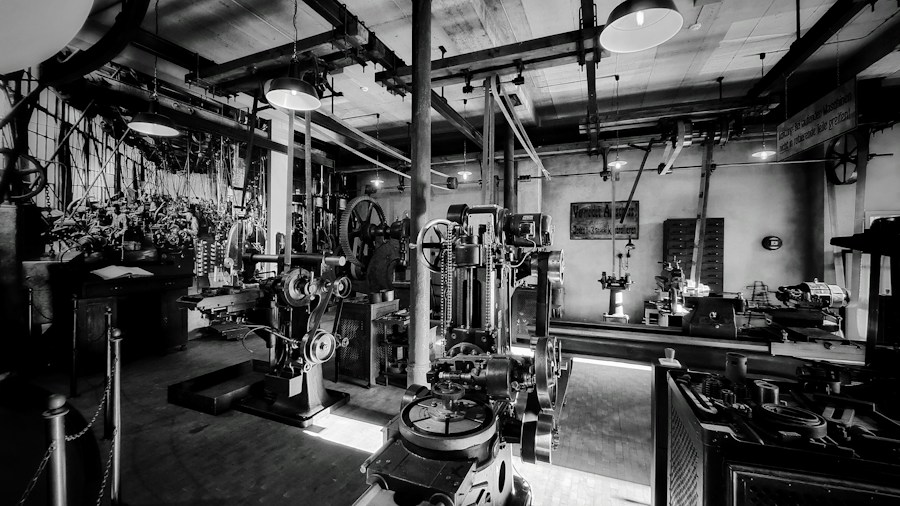
The Honda plant in question represents a major production hub for the two-wheeler market, with annual capacity reaching 1.67 million units. Most motorcycles manufactured there serve the domestic Thai market, including popular models like the Wave 110 and Scooty scooters that dominate local roads. These models are affordable, reliable options for urban commuting and remain bestsellers throughout Southeast Asia.
While U.S. consumers may not directly purchase Thai-built Honda motorcycles intended for Asian markets, the production halt could have broader implications. Manufacturing delays at any major facility can create supply chain pressures that eventually affect global inventory levels and pricing. Riders looking for specific Honda models should monitor dealer stock and be prepared for potential longer wait times if Asian supply chains experience further disruptions.
The two-wheeler market remains competitive and dynamic. Recent innovations like smart infotainment systems being integrated into modern motorcycles show the industry’s continued evolution, even as traditional markets face challenges.
Broader Economic Consequences
Thailand’s government has committed approximately 59.5 million dollars in immediate flood relief funding. Longer term, officials are discussing an eight-year infrastructure project costing around 160 million dollars designed to divert flood waters away from densely populated downstream regions by rerouting northern flood flows.
The flooding underscores the vulnerability of concentrated manufacturing hubs to natural disasters. When multiple major automotive and motorcycle producers operate in the same geographic area, regional crises can cascade across multiple supply chains simultaneously. This situation mirrors broader industry concerns about supply chain resilience that have gained prominence in recent years.
What This Means for Riders and Buyers
For consumers in the U.S. market, the immediate impact depends on whether you’re shopping for Honda motorcycles or considering alternatives. While Honda’s American-market bikes may not come directly from the Thai facility, any global supply chain disruption can indirectly influence availability and pricing across the board.
Smart shoppers should take several actions now. First, if you’ve been considering a specific Honda motorcycle purchase, check local dealer inventory before delays potentially worsen. Second, stay flexible: dealers may have alternative models or slightly different configurations in stock that could satisfy your needs. Third, monitor industry news for updates on when the Thai facility resumes full operations.
The motorcycle market continues to evolve with new technologies and models constantly emerging. If you’re flexible on timing, specialty bikes and rare collectibles occasionally enter the market through auctions and private sales, offering alternatives to standard dealer channels. Additionally, the rise of electric motorcycle manufacturers entering the U.S. market provides new purchasing options as the industry evolves.
Looking Forward
Honda has not announced a specific timeline for resuming full production at the affected facility. The company prioritizes employee safety and the restoration of normal working conditions before ramping back up. As cleanup and water management efforts continue, the plant should gradually return to normal operations.
For those who want to help from abroad, the Bangkok Community Help Foundation is a registered nonprofit actively supporting flood victims on the ground. Contributing to established relief organizations ensures your support reaches those who need it most.











Write Your Review
No reviews yet. Be the first to share your experience!