

Kawasaki has unveiled an ambitious vision that extends far beyond traditional motorcycles and all-terrain vehicles. The Corleo Project, officially classified as a Robotic Multi-Legged Vehicle (RMV), represents a fundamental shift in how the company thinks about adventure, entertainment, and mobility. For consumers interested in Kawasaki’s future direction and what this means for the powersports industry, understanding this initiative is essential.
What Exactly Is Corleo?
At its core, Corleo is a hydrogen-powered rideable machine that mimics the movement and capabilities of a multi-legged creature. However, Kawasaki deliberately resists labeling it simply as a “robot horse.” Instead, Team Green envisions Corleo as a platform that bridges physical and digital experiences. The company displayed a full-scale mockup at an international gaming convention in Germany in 2026, signaling that this project targets audiences well beyond traditional off-road enthusiasts.
The RMV classification itself is telling. While consumers are familiar with UTVs and ATVs, Kawasaki is staking claim to an entirely new category. This positioning suggests the company believes Corleo will eventually compete in a space currently occupied by nothing else on the consumer market.
The Simulator and Virtual Experience
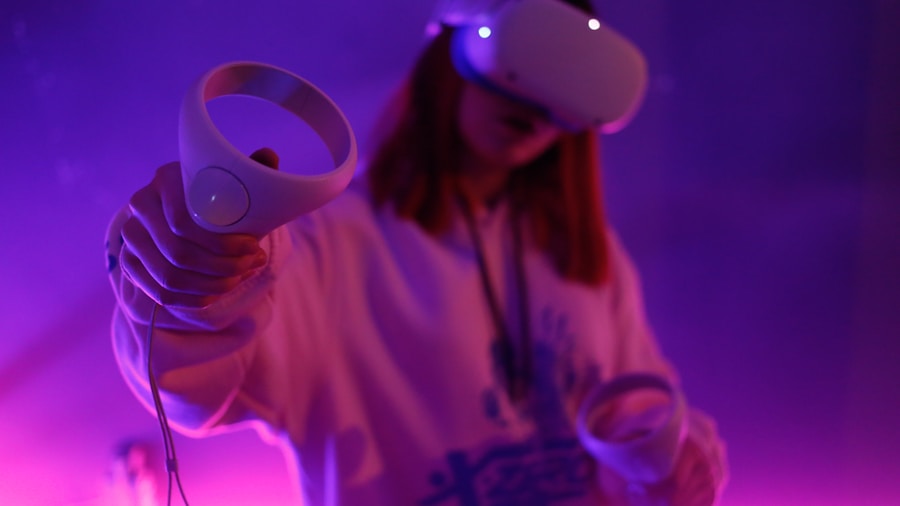
What distinguishes Corleo from conventional powersports products is Kawasaki’s commitment to developing a full riding simulator. According to Team Green’s promotional materials, this simulator will create “an unprecedented riding experience” that supports both machine development and entertainment innovation. The simulator is expected to reach completion by 2027, giving consumers a chance to experience Corleo technology before physical units become available.
Kawasaki has also announced plans to bring Corleo into console gaming environments, where players can operate the machine using standard game controllers. This crossover approach appeals to younger demographics and esports enthusiasts who may have little exposure to traditional off-road motorsports. The company even envisions a competitive “mecha esports” segment where riders compete in virtual races and challenges using multi-legged vehicles like Corleo.
Physical and Mini Versions in Development
The Safe Adventure initiative, Kawasaki’s dedicated platform for Corleo information, reveals multiple product variations under development. Beyond the full-scale rideable version, the company is exploring palm-sized miniature versions that appeal to hobbyists and collectors. Kawasaki also plans to offer remote operation capabilities, allowing users to control Corleo from a distance without physically riding it.
These variations suggest that Kawasaki recognizes different consumer preferences and use cases. Some buyers may want the thrill of direct riding, while others prefer simulator experiences or remote operation. This modular approach to product development could significantly expand the addressable market compared to traditional powersports offerings.
Timeline and Commercial Availability
Kawasaki has provided a realistic roadmap for consumer access. The company plans to deploy working Corleo simulators by 2027 and showcase the technology at Expo 2030 in Saudi Arabia as an on-site mobility vehicle. Commercial availability for consumers is targeted for 2035, giving the company nearly a decade to refine hardware and software before full market launch.
This extended timeline reflects the complexity of developing an entirely new product category. Kawasaki is investing heavily in infrastructure as well, including plans for a network of Mountain Huts at 24/7 unmanned facilities featuring social robots and hydrogen power canisters compatible with Corleo’s fuel system.
What This Means for Shoppers

For current Kawasaki customers and potential buyers, the Corleo Project signals the brand’s commitment to innovation and future-focused technology. While established Kawasaki models continue to evolve with incremental improvements, the company is simultaneously building entirely new product categories. This dual approach suggests Kawasaki will remain relevant across both traditional and emerging powersports segments.
The Corleo initiative also indicates where the broader powersports industry may be headed. Digital integration, hydrogen power, and entertainment-first design philosophy represent emerging trends that other manufacturers will likely follow. Early interest in Corleo could influence consumer preferences across the entire industry.
Shoppers should also consider what Corleo means for accessibility. The simulator option removes barriers to entry for riders intimidated by physical off-road vehicles. Console gaming integration opens powersports experiences to people who may never own a traditional motorcycle or ATV. This democratization of adventure could reshape the customer base for Kawasaki products overall.
The Road Ahead
Kawasaki’s Corleo Project represents more than a single product launch. It signals a strategic pivot toward integrated physical and digital experiences that appeal to next-generation consumers. Whether you view this development as exciting innovation or unnecessary complexity, its impact on Kawasaki’s product strategy and the powersports market as a whole appears certain. Keeping watch on the project’s evolution through official Kawasaki channels will help consumers understand where adventure and mobility technology are heading.











Write Your Review
No reviews yet. Be the first to share your experience!