

Lifted F-150 Lawsuit Raises Serious Safety Questions
A Georgia family has filed a lawsuit that highlights an often-overlooked risk on America’s roads: how heavily modified pickup trucks can pose dangers to other drivers. The case centers on a fatal head-on collision involving a lifted Ford F-150 and a Toyota Tundra, raising critical questions about aftermarket suspension modifications and vehicle safety compatibility.
The lawsuit alleges that a six-inch suspension lift kit transformed an otherwise survivable crash into a deadly one. Charles Holloway Jr. was driving his Tundra when a lifted F-150 crossed the center line and struck his truck head-on in January. The F-150’s elevated frame and suspension components allegedly bypassed the Tundra’s engineered crash protection systems, invading the occupant compartment and driver survival space.
How Lift Kits Can Compromise Crash Protection
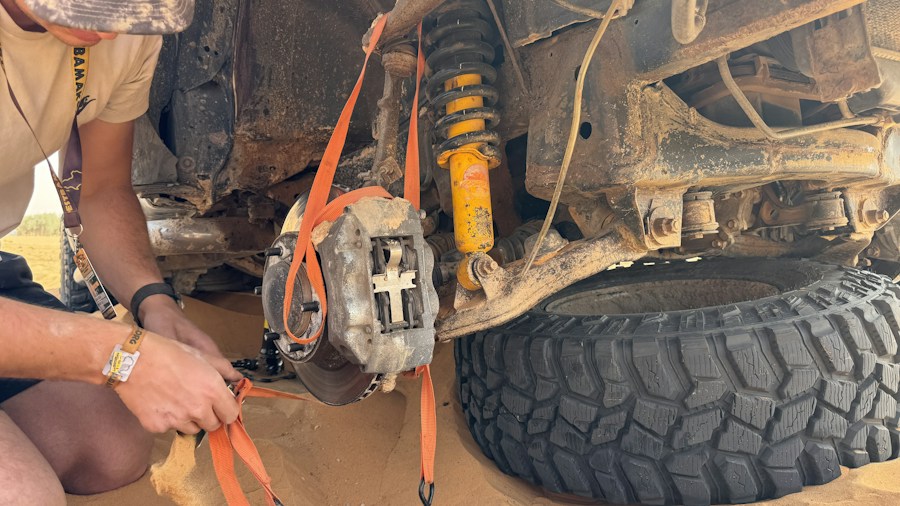
When a pickup truck’s suspension is raised significantly beyond factory specifications, it fundamentally alters the vehicle’s geometry and crash dynamics. According to the lawsuit, the lift kit in question raised the F-150’s frame rails, suspension geometry, and crash structures far above manufacturer standards. This elevation had catastrophic consequences during the collision.
Modern vehicles are engineered with precise specifications to ensure that when two vehicles collide, their structural components align properly to absorb and distribute crash energy. The frame rails, bumpers, and safety structures work together as an integrated system. When one vehicle is lifted, these systems no longer align as intended, leaving the other vehicle’s occupants vulnerable to intrusion.
The lawsuit claims that the modified F-150’s elevated frame rails bypassed the Tundra’s frame rails and crash-energy management systems entirely. Instead of the vehicles’ protective structures working in concert, the lifted truck’s frame penetrated directly into the survival space where the driver sits. Additionally, F-150 models come equipped with sophisticated crash avoidance and collision mitigation systems, but the suspension modifications allegedly degraded these warning and safety technologies, preventing them from functioning as designed.
Legal Arguments and Industry Knowledge
The lawsuit names multiple defendants, including the dealership that sold the truck, the business that installed the kit, and the manufacturer of the aftermarket equipment. The filing contends that these parties knew or should have known that lifting a pickup beyond factory specifications creates unreasonable danger to other road users.
As evidence, the complaint cites prior crashes, previous litigation, engineering analysis, crash testing, and industry literature. It also points out that manufacturers, including Ford itself, have issued warnings against altering suspension geometry and ride height. By proceeding with the installation and sale of the kit anyway, the defendants allegedly acted with knowledge of the risks.
Georgia law further supports this position. State regulations make it unlawful to raise or lower a private passenger vehicle’s suspension by more than two inches from factory specifications if the vehicle will be driven on public roads. These rules exist specifically to protect motorists from modifications that harm handling, stability, and crash compatibility.
What This Means for F-150 Buyers and the Aftermarket Industry

For F-150 owners considering suspension modifications, this lawsuit serves as a stark reminder of the real-world consequences. While aftermarket customization options continue to expand in the market, not all modifications are created equal in terms of safety impact.
The case raises awareness about an issue that often gets overlooked in truck enthusiast communities: the responsibility that comes with modifying a vehicle. The higher a truck sits, the more it changes how it interacts with other vehicles on the road. This isn’t merely about aesthetics or ground clearance; it’s about whether your truck can coexist safely with every other vehicle sharing public roads.
Buyers interested in lifting their F-150 should understand that staying within legal limits in your state isn’t just about compliance with regulations. These rules exist because engineers have determined that modest modifications can be accommodated without severely compromising crash compatibility. Going significantly beyond those limits shifts the burden of safety risk onto everyone around you.
The Bigger Picture for Truck Owners
This lawsuit highlights growing concerns about how pickup trucks of all kinds interact on roadways. As trucks have become larger and more popular, questions about compatibility with smaller vehicles and pedestrians have intensified. F-150 production continues to serve millions of American drivers, but understanding safe modification practices should be part of truck ownership education.
If you own or are considering purchasing an F-150, take time to research the long-term safety implications of any modification you’re planning. Consult factory guidelines, respect legal limits in your jurisdiction, and consider the broader impact on other road users. A suspension lift might look impressive, but not at the cost of putting your neighbors at risk.











Write Your Review
No reviews yet. Be the first to share your experience!