

For years, sellers have been blurring the lines between electric bicycles and electric motorcycles, marketing powerful machines as casual e-bikes when they are anything but. Now Los Angeles is drawing a hard line, and the consequences could reshape how electric two-wheelers are bought and sold across the country.
The Problem with Calling Everything an E-Bike
California has clear definitions for what qualifies as a legal e-bike. Class 1 models provide pedal assistance up to 20 miles per hour. Class 2 bikes add a throttle but still cap out at 20 miles per hour. Class 3 pedal-assist machines can reach 28 miles per hour. These are genuine bicycles with electric assistance, designed for urban and recreational use.
But a growing market exists for electric dirt bikes and lightweight motorcycles that far exceed these thresholds. These machines feature foot pegs instead of pedals, powerful throttles, heavy-duty suspension systems, and capabilities that match or exceed street motorcycles. Yet they are frequently marketed and sold as e-bikes to avoid regulatory scrutiny and licensing requirements. That disconnect between what these machines actually are and how they are labeled has created genuine public safety concerns.
What LA Is Doing About It
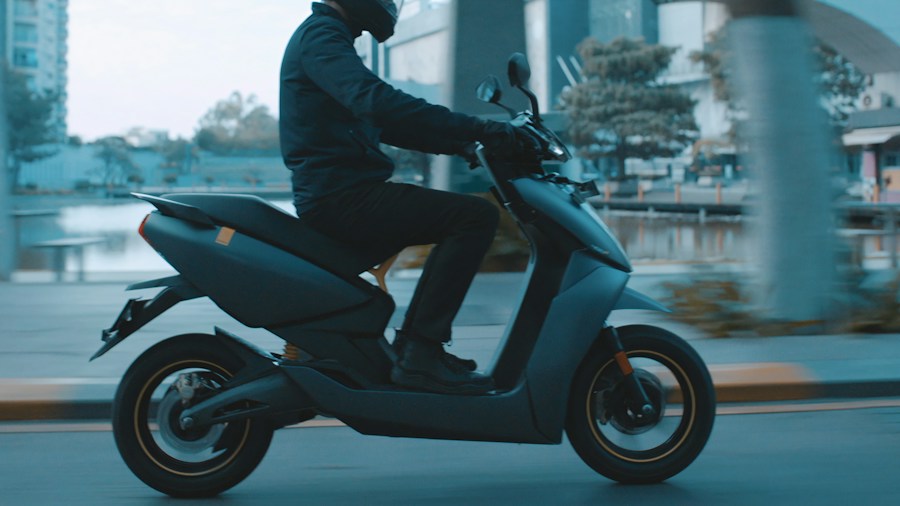
The Los Angeles City Council recently directed multiple city agencies to develop recommendations for regulating e-bikes, electric mopeds, and electric motorcycles as distinct categories. This is not a simple conversation about helmet laws or speed limits. The proposals being considered include bans on selling noncompliant machines, regulations on converting standard e-bikes into more powerful versions, and stricter oversight of electric motorcycles and mopeds that lack proper street-legal equipment or require an M1 motorcycle license to operate.
The city motion specifically targets the marketing practices that have enabled this confusion. Electric mopeds and motorcycles are being aggressively promoted to teenagers and young adults as fun, efficient transportation options. What is often not disclosed is that many of these machines lack essential legal equipment such as proper lighting, turn signals, and license plates. Equally important, some require an M1 motorcycle license to operate legally, a requirement that sellers frequently fail to communicate to buyers.
Where the Safety Data Points
The data tells a compelling story. Hospital emergency rooms are seeing increased numbers of collisions, head injuries, and fractures involving electric mopeds and motorcycles, particularly among younger riders. The concerning trend has forced cities to confront a hard truth: nearly all reported crash incidents involve machines that fall outside California’s legal e-bike definitions. Legal e-bikes, properly classified and equipped, are not the source of the problem.
This distinction matters because it redirects the blame away from compliant electric bicycles and toward machines that should never have been called e-bikes in the first place. When you examine the specifications of these electric motorcycles, the bicycle label becomes impossible to defend. A machine with pegs, a throttle, high-performance suspension, and top speeds exceeding 50 miles per hour is not a bicycle by any reasonable definition.
What This Means for Buyers
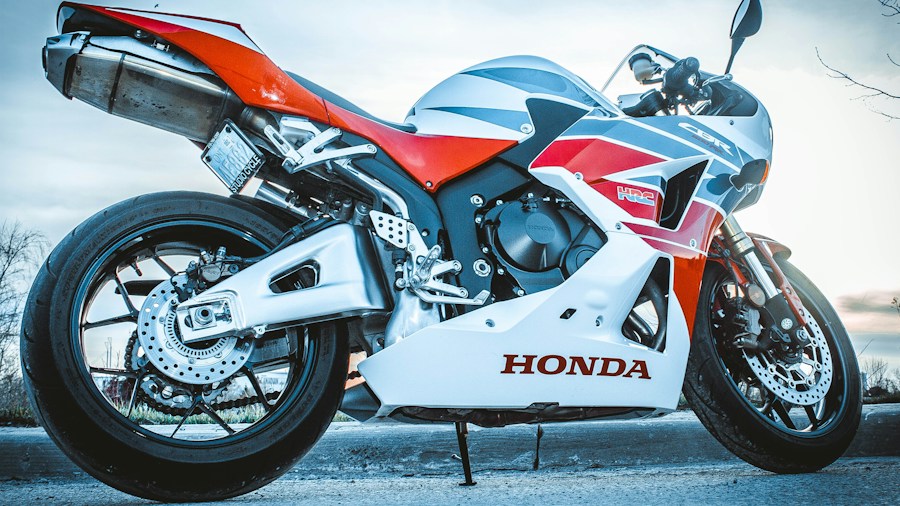
If you are shopping for an electric motorcycle, these regulatory moves should clarify what you are actually buying and what legal responsibilities come with it. A legitimate electric motorcycle should be marketed as such, not disguised under vague terminology. Licensing requirements, safety equipment demands, and insurance obligations should be transparent and clearly communicated before purchase.
For those interested in learning more about motorcycle safety and equipment, understanding that proper gear is essential regardless of whether you ride gas or electric. Recent research has shown that motorcycle gear companies are sometimes cutting protection to reduce costs, making it even more critical to select quality equipment.
The LA motion does not ban electric dirt bikes from brands like Sur-Ron, Talaria, or E Ride Pro. At least not yet. The council has ordered city departments to return with specific regulatory recommendations, meaning these proposals must still navigate the municipal approval process. However, the direction is unmistakable.
The End of the E-Bike Disguise
The days when a powerful electric motorcycle could hide behind the label of e-bike are numbered. If your bicycle requires a motorcycle license, a license plate, turn signals, and foot pegs instead of pedals, the bicycle disguise was never convincing. Manufacturers and sellers will increasingly face pressure to accurately categorize their products and comply with appropriate regulations.
This regulatory evolution ultimately protects consumers by ensuring transparency and establishing clear safety standards. When you purchase an electric motorcycle, you will know it is a motorcycle. You will understand the licensing and insurance requirements. You will be informed about safety equipment needs. That clarity, while it may complicate sales in the short term, creates a safer and more honest market for everyone.











Write Your Review
No reviews yet. Be the first to share your experience!