

Mahle, a major supplier to the automotive and trucking industry, has introduced a groundbreaking range extender system designed for battery electric trucks. The technology addresses one of the biggest barriers to widespread truck electrification: insufficient driving range for long-haul and demanding applications. This development has serious implications for fleet operators, business buyers, and anyone considering the shift to cleaner commercial vehicles.
The Problem It Solves
Battery electric trucks currently struggle with real-world range limitations, especially when hauling heavy loads over challenging terrain. Even the anticipated Tesla Semi will have operational boundaries that make certain routes difficult. Charging infrastructure for commercial vehicles remains sparse across many regions, and downtime for recharging directly impacts a trucking company’s profitability. Fleet operators need reliability and flexibility without sacrificing economic viability.
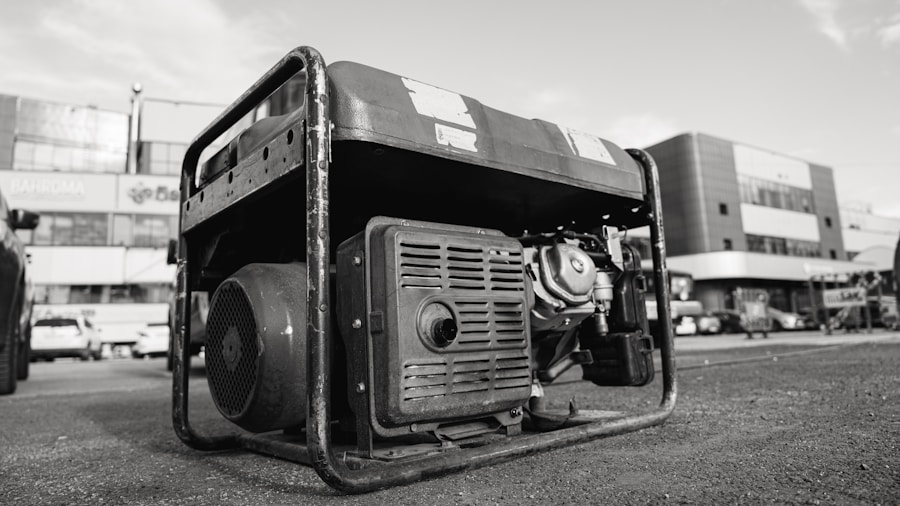
Mahle’s solution pairs a smaller battery with a compact internal combustion engine and high-voltage generator system. This hybrid approach enables trucks to achieve over 800 kilometers of total range, with the battery handling approximately 400 kilometers and the range extender providing the additional 400 kilometers as needed.
How the Technology Works

The core of the Mahle system is an efficient 110-kilowatt continuous output generator with peak output reaching 130 kW. The generator activates automatically at the optimal moment, supplying power directly to the electric drive system without requiring a battery charge first. This “smart emergency power unit” approach differs from earlier range extender concepts by operating more intelligently and efficiently.
One major advantage is its compact form factor. The entire system fits into the space normally occupied by batteries on electric truck platforms, meaning manufacturers can integrate it into existing designs with minimal modifications. By replacing about one-third of the standard battery capacity, trucks become lighter and less expensive. The weight reduction totals approximately 600 kilograms overall, with the rear axle carrying about 400 kilograms less load. Lighter vehicles mean better fuel efficiency and lower operating costs.
An advanced thermal management system handles the cooling demands of continuous heavy-duty operation, ensuring stable performance even under peak conditions. This engineering addresses a historical weakness in earlier range extender designs, which often struggled with heat dissipation during extended use.
Environmental Benefits
Under real-world operating conditions, a truck using Mahle’s range extender produces approximately 80 percent less carbon dioxide than a conventional diesel truck. When powered by renewable fuels such as HVO100 biodiesel, emissions drop to virtually zero. This means fleet operators can reduce their environmental footprint significantly without sacrificing operational flexibility or accepting range anxiety.
Mahle is also advancing other sustainable truck technologies. The company recently unveiled its Contactless Transmitter electric motor, designed specifically for electric drive axles on heavy commercial vehicles. This motor eliminates the need for rare earth permanent magnets, reducing environmental impact and supply chain vulnerabilities. It delivers 370 kilowatts of peak output and achieves approximately 95 percent efficiency under standard testing cycles.
What This Means for Truck Buyers
Fleet operators evaluating electric truck options now have a credible third path: neither pure battery electric (with range limitations) nor traditional diesel, but a practical hybrid solution tailored to commercial needs. Tesla Semi Europe Launch What Fleets Should Know remains relevant for those prioritizing pure electric technology, but Mahle’s approach addresses a critical market segment that demands longer range without charging infrastructure dependency.
The system maintains operational availability even when charging stations are busy, routes change due to weather or traffic, or infrastructure reaches capacity. For time-sensitive logistics operations, this reliability translates directly to competitive advantage and profitability.
Cost considerations favor buyers as well. Since the range extender replaces a portion of the battery, the initial purchase price drops compared to purely battery-powered models. Smaller batteries also mean reduced warranty costs and potentially better long-term durability, as battery capacity degradation develops more slowly in smaller packs.
Industry Context
Range extender technology for commercial vehicles is not new. Earlier attempts, including the BMW i3’s motorcycle-based engine and various experimental systems, delivered mixed results. However, Mahle’s design represents a significant evolution in efficiency and integration. The company announced the system at the IAA Transportation trade show in Hannover, positioning it as a bridge technology that accelerates truck electrification without waiting for infrastructure to catch up.
This timing matters. As regulations tighten around emissions and companies face pressure to decarbonize operations, range extender systems like Mahle’s offer a proven, practical pathway forward. They work within existing manufacturing platforms and appeal to businesses concerned about operational disruption during the transition to electric power.
The range extender concept may eventually become obsolete if charging infrastructure expands and battery technology advances dramatically. However, for the next decade or more, hybrid-electric solutions will likely play an essential role in commercial vehicle electrification, helping fleets meet environmental goals while maintaining business efficiency.











Write Your Review
No reviews yet. Be the first to share your experience!