

Over 200,000 Volkswagen and Audi SUVs Face Critical Steering Safety Recall
Volkswagen and Audi have announced a significant safety recall affecting more than 208,000 sport utility vehicles across North America. The issue centers on a steering rack mounting bolt that can deteriorate due to corrosion, potentially leading to loss of steering control. This recall underscores the serious threat that corrosion poses to vehicle safety and structural integrity, and it serves as a reminder for owners to stay vigilant about their vehicle’s condition.
Which Vehicles Are Affected by the Recall
The recall encompasses three popular models across multiple model years. Owners of 2018 and 2019 Volkswagen Atlas vehicles, 2018 Volkswagen Tiguan models, and 2019 through 2021 Audi Q3 SUVs should check whether their vehicles are included. In total, the recall impacts approximately 82,601 Atlas units, 85,713 Tiguan units, and 40,410 Q3 units. If you own one of these vehicles, you can search your Vehicle Identification Number (VIN) starting September 16, 2026, to determine if your specific vehicle is affected by the safety defect.
Understanding the Corrosion Problem
The root cause of this recall is moisture infiltration that leads to corrosion of the left-hand-drive steering rack-to-subframe mounting bolt. When moisture reaches the mounting area, it corrodes the bolt, weakening its structural integrity. Over time, this corrosion can cause the bolt head to fracture. If this fracture occurs, the steering rack becomes attached to the subframe by only a single mounting point instead of the intended two.
The danger escalates when continued loading and stress on the compromised mounting causes the steering rack housing itself to fracture. Such a fracture could result in complete loss of steering capability, creating an immediate crash hazard. Testing data and field reports indicate that housing fractures are most likely to happen during parking maneuvers or low-speed turning situations, where steering loads concentrate heavily on the mounting points.
Safety Risks and Driver Warning Signs
Vehicle owners should remain alert for specific warning signs of this problem. Listen for unusual metallic rattling or knocking noises coming from the front axle area of your vehicle. These sounds may indicate bolt corrosion or early housing damage and should be investigated immediately by a qualified mechanic. Early detection could prevent a dangerous failure while you are driving.
Importantly, neither Volkswagen nor Audi has reported any crashes, injuries, or deaths related to this defect in the North American region to date. However, the safety risk is serious enough to warrant a voluntary recall, demonstrating the manufacturers’ commitment to protecting drivers before widespread incidents occur.
The Manufacturing Solution and Timeline
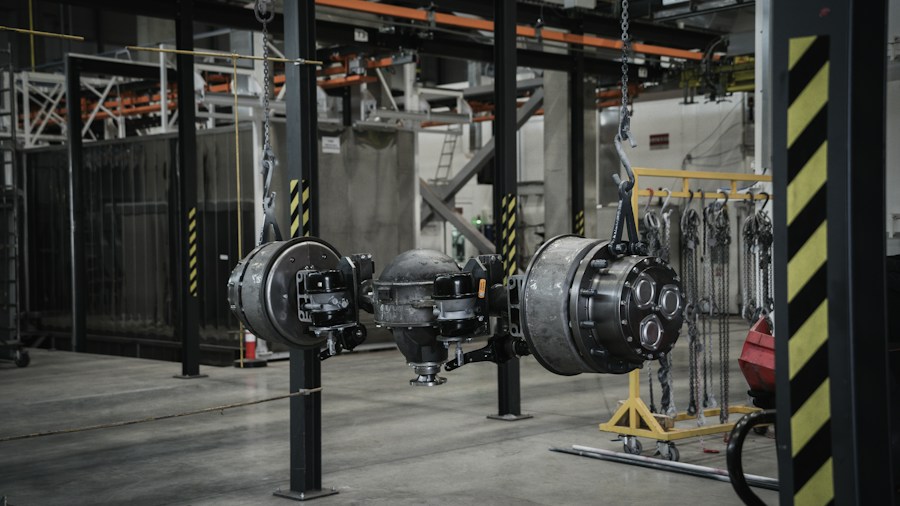
The remedy is straightforward but important: replacement of the affected steering rack mounting bolt with a new bolt that features a highly corrosion-resistant polymer coating. This specialized coating provides enhanced protection against moisture and salt exposure, significantly improving the bolt’s long-term durability and resistance to deterioration. The improvement in materials represents a direct response to the corrosion vulnerability identified in the current generation of vehicles.
Dealerships received official notification about the recall on September 16, 2026. Owner notifications are scheduled to begin on November 10, 2026, and vehicle VINs became searchable in the recall database starting September 16, 2026. This timeline gives manufacturers and dealers adequate time to prepare for the service campaign and allows owners to schedule repairs at their convenience.
What Buyers Should Do Now
If you own a 2018-2019 Volkswagen Atlas, a 2018 Volkswagen Tiguan, or a 2019-2021 Audi Q3, take the following steps. First, search your vehicle’s VIN on the NHTSA website or your manufacturer’s recall portal to confirm whether your specific vehicle is included. Second, monitor for the warning signs mentioned above, particularly metallic sounds from the front end. Third, when your owner notification arrives, schedule an appointment with your dealership to have the bolt replacement performed as soon as possible.
This recall highlights the importance of understanding corrosion risks in your vehicle and taking preventive action before failures occur. Whether you own one of the recalled models or drive a different vehicle, staying informed about safety recalls and addressing issues promptly protects you and your passengers on the road.











Write Your Review
No reviews yet. Be the first to share your experience!