

A major breakthrough in powertrain engineering could reshape how the next generation of off-road SUVs perform on challenging terrain. Horse Powertrain, operating as part of a joint venture with Geely-Renault, has unveiled its 3DHT200, a plug-in-hybrid system engineered specifically for serious off-road driving rather than typical commuting. This marks a significant shift in how manufacturers approach combining electric and combustion power for adventure-focused vehicles.
Record Torque Output Changes the Game
The headline figure tells the story: this system delivers a maximum 3,164 pound-feet of torque at the wheels. To put that in perspective, this rivals or exceeds the output of many dedicated off-road powertrains. That level of grunt translates to real-world capability, allowing equipped vehicles to tackle slopes as steep as 45 degrees, a major advantage for serious terrain. For shoppers evaluating off-road SUVs, this represents a new performance ceiling that could influence purchase decisions across the category.
How the 13-in-1 System Works
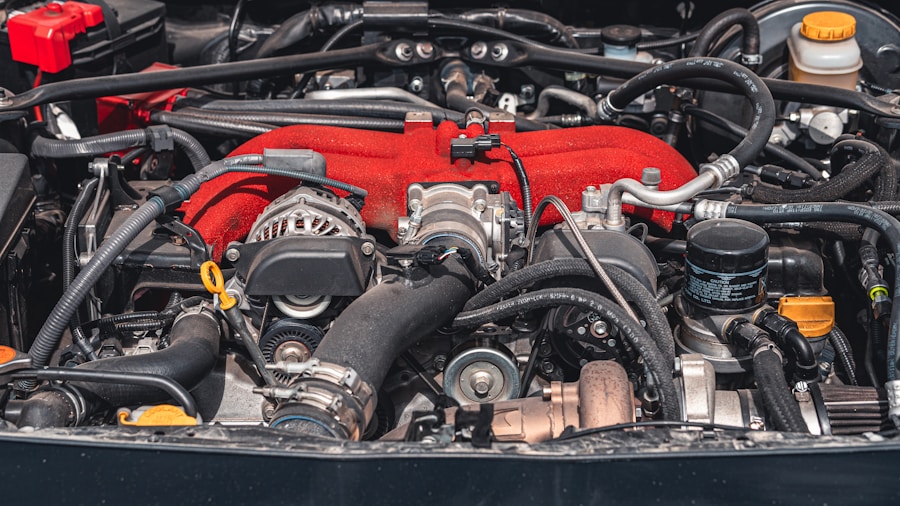
The name “13-in-1” refers to the integration of thirteen major components into a single unified unit. The system combines two electric motors, three-speed dedicated hybrid transmission, controllers, an onboard charger, DC-DC converter, power distribution hardware, transmission control unit, and thermal-management systems all designed to work seamlessly together. This integration actually reduces the overall volume by approximately 10 percent compared to older designs, a crucial advantage for SUV packaging.
The system employs two electric motors with different roles: a 148-horsepower unit handles engine starting and electricity generation, while a more powerful 308-horsepower motor manages traction. At lower speeds, the setup operates as a range extender, with the gas engine powering electricity generation only. At highway speeds, the system connects the engine directly to wheels through the three-speed transmission, optimizing efficiency across different driving conditions.
Buyers shopping for new off-road vehicles may soon encounter budget off-road tires that challenge premium brands, and pairing those with a more capable powertrain could deliver exceptional overall value for adventurous drivers.
Real-World Application and Efficiency
The Geely Galaxy Cruiser 700 will serve as the first vehicle to receive this powertrain, paired with a rear electric motor to create an all-wheel-drive system. The combination is expected to deliver up to 1,113 horsepower overall while returning approximately 47 miles per gallon equivalent, an impressive efficiency figure for a large off-road SUV. This powertrain represents a practical balance between performance and fuel economy that appeals to buyers who use their vehicles both on and off pavement.
The Galaxy Cruiser 700 will debut in China and other international markets later this year, though currently there are no plans for US availability. However, the technology’s success abroad could influence future product development for the American market, similar to how Toyota added off-road capabilities to the RAV4 Hybrid for 2027.
What This Means for Off-Road Shoppers

This announcement demonstrates that plug-in-hybrid technology, once viewed as unsuitable for serious off-road use, can deliver legitimate performance advantages when properly engineered. The combination of instant electric torque and combustion power offers flexibility that pure gas or pure electric systems cannot match. Shoppers interested in off-road SUVs should watch how this technology spreads, as manufacturers may begin reconsidering plug-in-hybrid options for adventure vehicles.
The emphasis on off-road-specific engineering matters too. Rather than adapting a commuter hybrid for rough terrain, this system was purpose-built for the demands of steep grades, low-speed crawling, and varied surfaces. That philosophy could set a new industry standard. For comparison, recent launches like the Range Rover Electric with 333 miles of range and serious off-road capability show the market’s growing focus on matching capability with alternative powertrains.
Looking Ahead
While American consumers won’t have immediate access to this specific powertrain, the technology validates an important trend: manufacturers are increasingly serious about making electrified vehicles capable in off-road conditions. As battery costs decline and hybrid systems mature, shoppers can expect more options that combine environmental responsibility with genuine adventure capability. This announcement signals that the next decade of off-road SUVs will look dramatically different from today’s lineup, with performance and efficiency no longer requiring compromise.











Write Your Review
No reviews yet. Be the first to share your experience!