

Porsche is charting a dramatic new course under fresh leadership, and the company’s upcoming flagship supercar could reshape what fans expect from the brand. Following a challenging financial period, the German automaker is refocusing its efforts on what it does best: building world-class sports cars. This strategic pivot includes plans for an exciting new supercar that may borrow engineering from unexpected corners of the Volkswagen Group family tree.
What Is Happening at Porsche Right Now?
Michael Leiters took over as CEO of Porsche on January 1, 2026, and he has wasted no time implementing sweeping changes. The company announced significant restructuring efforts, including the elimination of 5,000 jobs and the sale of non-core assets like its MHP consulting subsidiary. Rather than spreading resources across dozens of business divisions, Leiters is concentrating Porsche’s efforts on its core strength: engineering and manufacturing premium sports cars.
This strategic refocus represents a major shift in how the company will operate going forward. Porsche may be considering Audi platforms for next-generation vehicles, signaling closer collaboration within the Volkswagen Group. The goal is clearer focus, faster product development, and ultimately better vehicles for customers.
The New Flagship Supercar: Fact or Fiction?

While nothing is officially confirmed, recent industry reports suggest Porsche is developing a new flagship supercar that could rival the legendary 918 Spyder. The most intriguing aspect of this project is the platform it may use. According to recent automotive news coverage, the hypothetical new P-car could be built on the same basic architecture as the upcoming Audi Nuvolari. This matters because the Audi Nuvolari shares engineering DNA with the Lamborghini Temerario.
That means Porsche’s next flagship could indirectly benefit from development work across the broader Volkswagen Group. Audi has a storied history of engineering excellence, and leveraging that expertise for a Porsche supercar would not be unprecedented. The strategy aligns perfectly with Leiters’ vision of focusing company resources on what Porsche does exceptionally well.
What Does This Mean for Buyers?
If Porsche does move forward with this plan, consumers could see tangible benefits emerge within a few years. A flagship supercar built on shared platform architecture doesn’t mean compromised quality. Instead, it represents efficient engineering: spreading development costs across multiple brands ultimately makes each vehicle more affordable to produce, which can result in better pricing for customers or higher levels of standard equipment.
The broader restructuring efforts also suggest that Porsche will dedicate more attention to bespoke, high-margin vehicles tailored to individual customer preferences. This emphasis on customization and exclusivity could make future Porsche purchases even more personalized and desirable. Additionally, the collector car market remains strong, meaning today’s Porsche purchases could hold or appreciate in value over time.
When Can We Expect to See This Supercar?
Porsche is also working on a gasoline-powered SUV codenamed the M1, expected to arrive around 2028. This timeline suggests that any new flagship supercar announcement could come within a similar window, though the company has remained officially silent on exact release dates. Leiters has emphasized the need to rebuild trust and credibility after 2025’s difficult period, so any major announcement will likely come with substantial detail and confidence.
Why the Volkswagen Group Approach Makes Sense
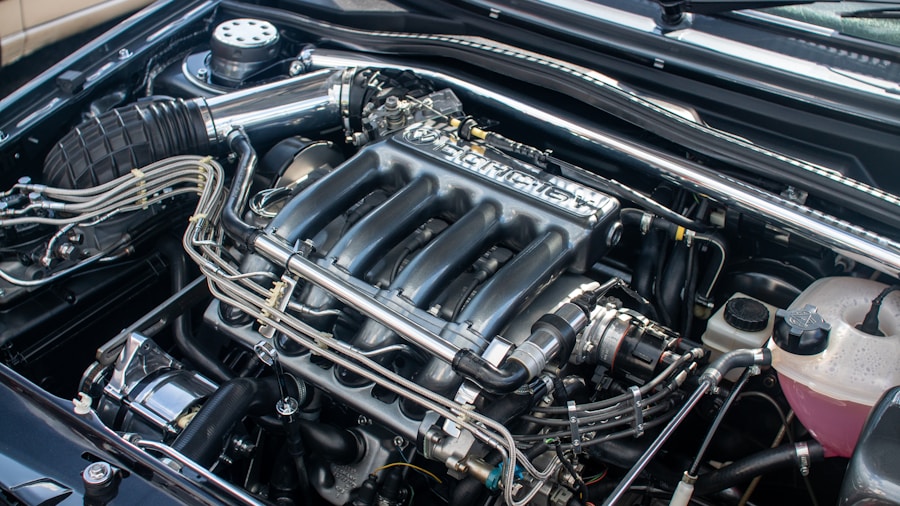
Sharing platforms and technologies across Volkswagen Group brands is not new strategy. It allows companies like Porsche, Audi, and Lamborghini to maintain distinct identities and design languages while benefiting from economies of scale. For shoppers, this means more innovation trickling down faster, better quality control through shared engineering standards, and more focused product development in each brand’s core markets.
The CEO’s decisive restructuring suggests Porsche is serious about returning to profitability and establishing a more sustainable business model. Concentrating on premium sports cars where the brand has always excelled is precisely the kind of focused strategy that tends to generate strong results.
Looking Ahead
While a new flagship supercar remains in the rumor stage, the underlying business transformation at Porsche under Leiters is very real. The company is making difficult but necessary choices to strengthen its core operations. If the supercar rumors prove accurate, buyers could be looking at an exceptionally interesting vehicle that combines Porsche’s design heritage with cutting-edge engineering from across the Volkswagen Group.
For now, enthusiasts and potential buyers should stay tuned for official announcements. The company’s trajectory over the next several years will reveal whether this strategic pivot delivers the exciting new products the market is hoping to see.











Write Your Review
No reviews yet. Be the first to share your experience!