

Porsche Denies Taycan Discontinuation Reports
Speculation about the future of Porsche’s all-electric sedan has circulated recently after reports suggested internal discussions about winding down Taycan production by 2030. However, Porsche leadership has firmly denied any imminent plans to kill the nameplate. A company spokesperson confirmed that the Taycan will remain part of the lineup for the foreseeable future, noting that significant investment in the model means management is committed to tracking market demand before making any decisions about its long-term viability.
What Porsche Is Actually Doing Right Now
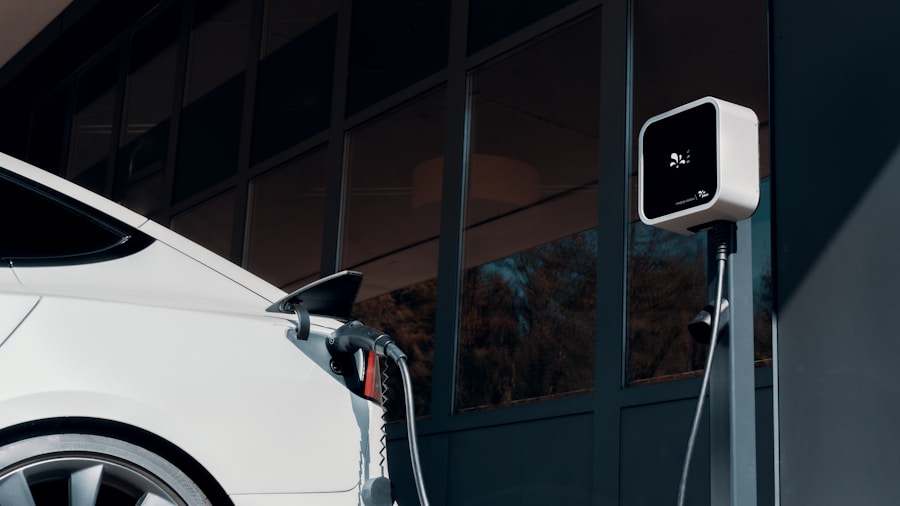
While the Taycan itself is not being discontinued, Porsche is actively streamlining its portfolio. Several variants and battery configurations have already disappeared from United States dealerships as of the 2026 model year. This distinction matters for shoppers: streamlining the lineup is different from canceling the vehicle outright. The automaker is reducing complexity rather than pulling the plug, a strategy that has already affected wagon body styles like the Taycan Sport Turismo and Cross Turismo outside American markets.
CEO Oliver Blume is implementing cost-reduction initiatives across Porsche’s entire range. Part of this efficiency push includes exploring potential convergence between the Taycan and the gas-and-hybrid Panamera sedan. Such a move would reshape the electric model rather than eliminate it, potentially leading to shared platforms and consolidated feature sets that could lower production expenses while maintaining market presence.
The Sales Numbers Behind the Headlines
The conversation around the Taycan’s future is rooted in sales performance. In 2021, Porsche delivered more than 41,000 Taycan units globally, representing the model’s peak year. However, deliveries have declined significantly since then. The automaker reported approximately 16,300 units in 2025, a sharp drop that reflects broader cooling in the luxury electric vehicle segment. For comparison, the conventional Panamera sedan logged more than 34,000 deliveries in 2023 before the brand transitioned to a new generation.
These declining sales figures explain why management and employee representatives have internally discussed the Taycan’s trajectory. However, Porsche has not officially confirmed any specific end date like the 2030 target mentioned in media reports. The company maintains that demand will ultimately determine the model’s future rather than a predetermined timeline.
What This Means for Buyers and Owners
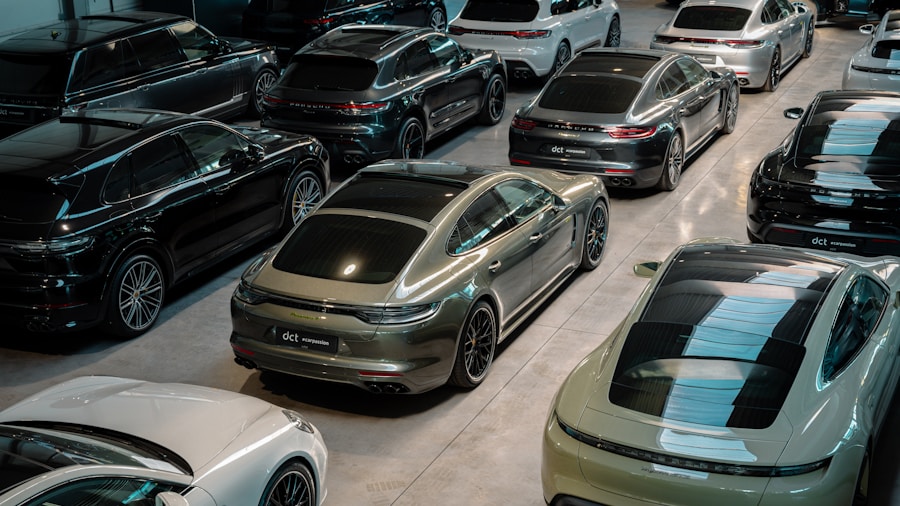
For prospective Taycan buyers, this situation signals several important considerations. The narrowing option list means future model years may offer fewer customization choices than earlier generations. For current owners, resale values could be influenced by production uncertainty, though Porsche’s commitment to support existing vehicles should provide some stability. Many consumers are already exploring Porsche’s special customization programs to secure unique configurations before availability shrinks further.
Dealers should prepare for faster product cycling and potentially shorter option sheets, which could affect inventory planning and customer delivery timelines. The shift toward efficiency over variety represents a fundamental change in how Porsche approaches its electric sedan, even if the Taycan badge remains intact.
Industry Context and Future Outlook
This is not Porsche’s first encounter with cancellation rumors. The company has previously dismissed speculation about discontinuing the electric Boxster and Cayman sports cars. Similarly, parent company Volkswagen subsidiary Audi has weathered its own wave of speculation regarding sports car futures. The gap between official corporate statements and internal planning discussions is precisely where buyers should focus their attention.
Porsche’s decision to judge the Taycan’s future on actual market demand rather than preset deadlines provides some reassurance. However, the thinning lineup demonstrates the company’s priority shift toward operational efficiency. This approach affects ownership value propositions, as reduced variety can lead to faster model obsolescence and potentially higher long-term ownership costs even if the vehicle survives as a nameplate.
Shoppers considering a Taycan purchase should recognize that while the model is not disappearing tomorrow, the product landscape is contracting. This reality should factor into purchase decisions, warranty considerations, and long-term ownership planning for anyone interested in joining Porsche’s electric sedan segment.








Write Your Review
No reviews yet. Be the first to share your experience!