

A Chevrolet Silverado 2500HD owner recently faced a harsh financial lesson when he paid $635 for routine maintenance at a dealership because he mistakenly believed that performing the work himself would void his truck’s warranty. The 2024 model with a 6.6-liter Duramax diesel engine required an oil change, fuel filter replacement, and cabin air filter service. The cabin air filter alone accounted for $30 of the bill, while the remaining costs covered the diesel-specific fluids and components.
The owner’s concern about warranty coverage is understandable but ultimately unfounded. Many truck buyers share similar anxieties about dealer service requirements, especially those who prefer hands-on vehicle maintenance. However, federal law explicitly protects consumer rights in this situation, and understanding these protections can save thousands of dollars over the life vehicle ownership.
What Federal Law Actually Says About Warranty Coverage
The Magnuson-Moss Warranty Act of 1975, enforced by the Federal Trade Commission, clearly states that vehicle manufacturers cannot require owners to use dealership services to maintain warranty coverage. According to the FTC’s official guidance on auto warranties, it is illegal for a dealer to deny warranty coverage simply because an owner performed routine maintenance or repairs at an independent shop or at home.
The critical requirement is that the work performed must not directly cause damage to a covered component. For example, if a low-quality aftermarket oil filter fails and damages the engine, the manufacturer could potentially refuse to cover repairs to that engine. However, the FTC requires that manufacturers prove the inferior part caused the damage before denying a claim.
For Silverado owners specifically, this means changing your own oil, replacing filters, and performing other routine maintenance will not void your manufacturer’s warranty. The dealership cannot legally condition warranty coverage on using their service department for these tasks.
The Real Costs of Dealer Service
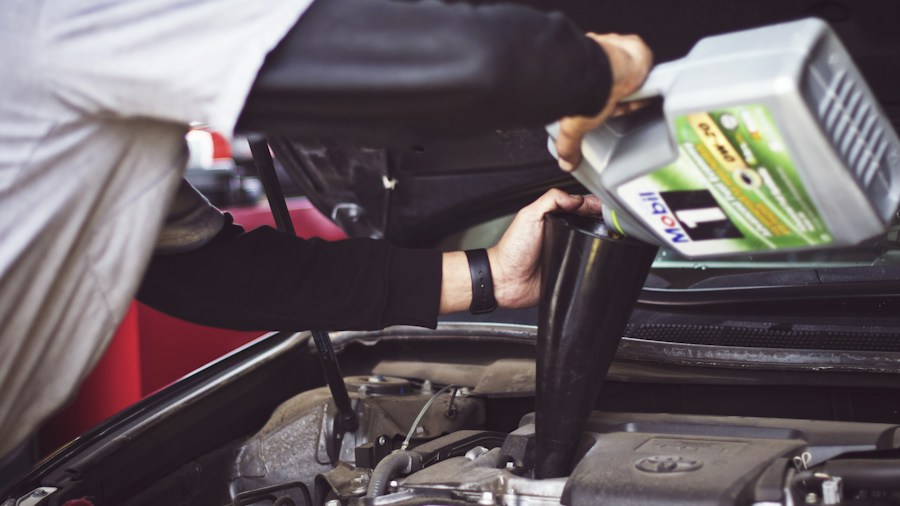
The $635 bill sparked nearly 400 comments from other Silverado and Sierra 2500 and 3500 owners who shared their own maintenance experiences. One owner reported spending just $100 for oil and filter when doing the work himself, while another noted that fuel filters cost approximately $20 to purchase separately. For comparison, owners with gas-powered variants reported dealer charges ranging from $119.95 to similar figures for oil changes and filter replacements.
The diesel Duramax engine commands premium service costs compared to gasoline alternatives, but even accounting for that difference, the $635 charge appears significantly elevated. This price disparity underscores why understanding your legal rights matters so much. GM is actively developing new Silverado models to meet customer demands, and responsible ownership practices should factor into the total cost of ownership when comparing vehicles.
Protecting Your Warranty: Documentation and Due Diligence
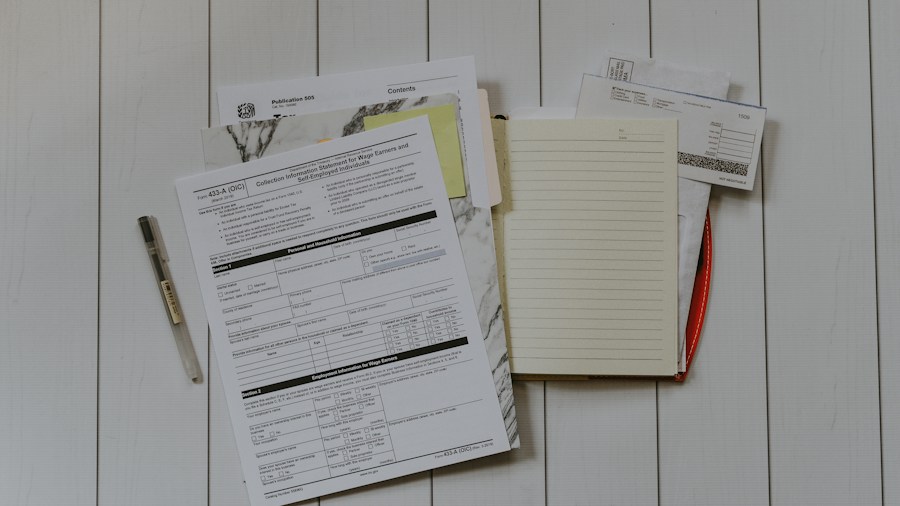
If you choose to perform maintenance yourself or use an independent shop, the FTC recommends keeping detailed records of all service work. Document the date, type of service, parts used, and costs incurred. These records protect you if a manufacturer or dealer later denies a warranty claim, providing proof that you completed required maintenance.
When using aftermarket or recycled parts, purchase quality components from reputable suppliers. Using substandard materials gives dealers a legitimate basis to refuse coverage if those parts damage a covered component. For a Duramax-powered Silverado, GM specifies CJ-4 or CK-4 rated 15W-40 oil and ACDelco PF63 filters, information readily available through online resources or your owner’s manual.
Optional service contracts, often marketed as extended warranties, operate under different rules. These contracts are not covered by the Magnuson-Moss Warranty Act since they represent separate purchases from the vehicle itself. Some service contracts do permit choosing among multiple approved repair shops, while others restrict service to the selling dealership. Review contract language carefully before signing, as some agreements require completing every manufacturer-recommended maintenance step, and missing even one service could void that contract.
Recent Silverado options like the Multi-Flex Tailgate show how features impact long-term ownership costs, and this same financial consciousness should apply to maintenance planning.
Moving Forward as a Silverado Owner
The Silverado 2500HD owner who paid $635 for routine service learned an expensive lesson, but his experience benefits others facing similar situations. If a dealership has told you that DIY maintenance voids your warranty, that advice contradicts federal consumer protection law. You have the right to service your truck yourself or hire an independent shop without risking warranty coverage for unrelated components.
Before accepting inflated service bills or believing dealer claims about warranty requirements, consult the FTC’s consumer guidance or speak with the dealership’s management about warranty provisions. Armed with knowledge of the Magnuson-Moss Warranty Act, Silverado owners can make informed decisions about maintenance that align with their budget and expertise.











Write Your Review
No reviews yet. Be the first to share your experience!