

Your vehicle’s suspension system is far more complex than most drivers realize. Hidden within it are small rubber and metal components called suspension bushings that play a critical role in how your tires wear and how your vehicle handles on the road. Understanding how these parts work and why they matter can help you make smarter decisions about vehicle maintenance and tire replacement.
How Suspension Bushings Control Your Tires
Suspension bushings are engineered to allow controlled deflection in your suspension system. When your vehicle brakes, turns, or navigates uneven pavement, these bushings flex intentionally. This deflection changes the angles of your suspension geometry, including toe and camber measurements. Modern vehicles, from compact cars to trucks, rely on this principle to improve handling and stability.
Think of it this way: race car technicians have long understood that slight toe-out angles make vehicles feel more responsive in corners. Your everyday vehicle uses suspension bushings to achieve a similar effect, but in a more refined, street-appropriate manner. The result is a vehicle that feels more planted during aggressive maneuvers and more stable under braking.
Why Bushing Condition Directly Affects Tire Wear
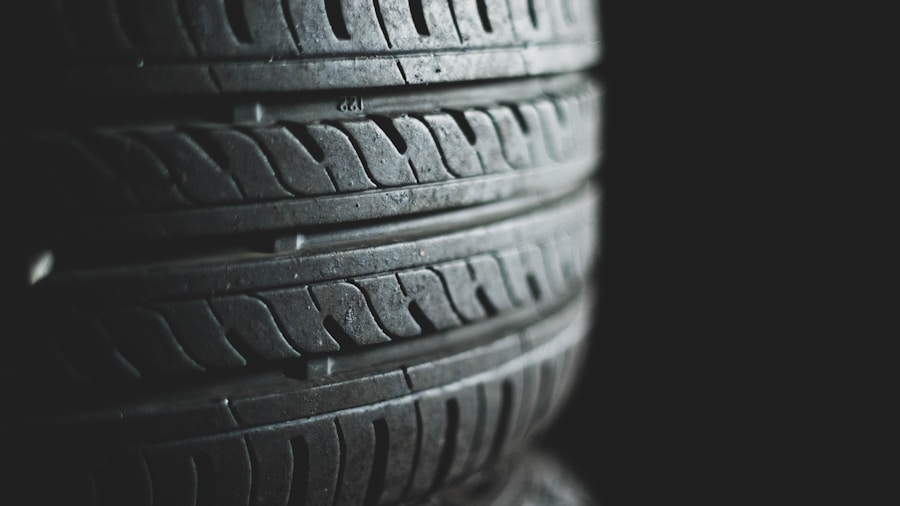
The condition of your suspension bushings determines how effectively this geometry works. Worn or damaged bushings can no longer deflect as designed, which throws off your suspension angles. This creates uneven tire wear patterns that can shorten the life of your tires significantly.
When inspecting tires and planning replacements, professionals measure suspension geometry using alignment systems. These measurements reveal whether bushings are functioning properly. If bushings are deteriorating, the alignment readings will show excessive toe or camber changes that can only be corrected by replacing the worn components.
Both front and rear suspension bushings require attention. Ignoring rear suspension condition is a common mistake that leads to unexpected tire replacement costs down the road. A comprehensive inspection catches these issues early.
Ride Height Matters More Than You Think
Another critical factor is ride height. Your vehicle’s suspension geometry only works correctly when the chassis is at the proper height relative to the wheels. If your vehicle sits too low or has settled unevenly, the angles designed into your suspension no longer function as intended. This can cause your tires to wear at odd angles and create handling problems.
Drivers often notice these symptoms as vibration, pulling to one side, or rapid tire wear on one edge of the tire. Before replacing your tires, ensure your vehicle’s ride height is correct and your bushings are inspected.
What Shoppers Should Do
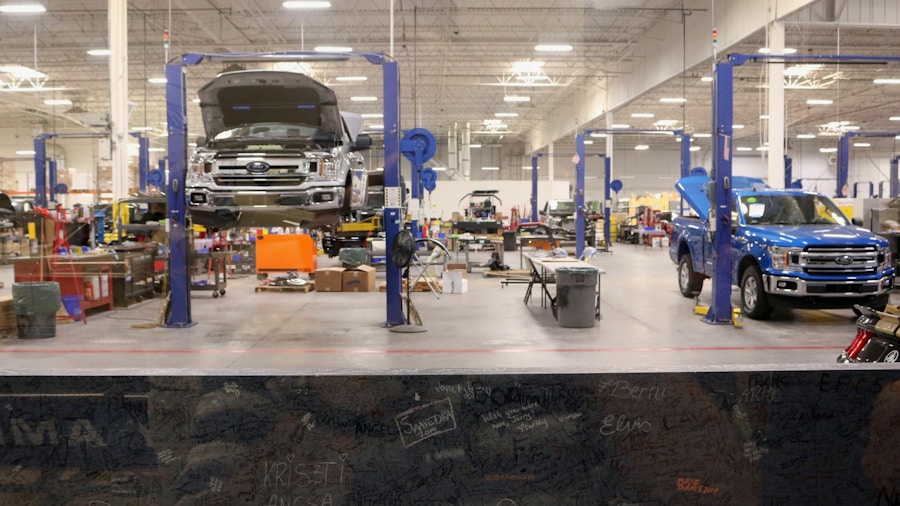
Follow a diagnostic approach when tire wear seems premature or uneven. Start with a visual inspection of the suspension components. Look for cracked rubber, excessive play, or visible damage to the bushings themselves. Next, have your vehicle’s alignment measured using modern alignment equipment. These measurements will show whether suspension geometry is within specifications.
If measurements show excessive deflection or angle changes, your bushings likely need replacement. Addressing suspension components before they affect tire performance can extend the life of your tires and improve safety. Plan to replace control arms and bushings in pairs to ensure even suspension performance on both sides of your vehicle.
Why This Matters for Your Next Tire Purchase
Investing in premium tires is only worthwhile if your suspension geometry is correct. A new set of quality tires installed on a vehicle with worn bushings will wear out just as quickly as budget tires. The underlying suspension geometry is the root cause of tire wear, not always the tires themselves.
Professional tire shops increasingly recognize this connection. As the tire retail landscape evolves, shops that perform thorough suspension inspections build customer loyalty by preventing repeat problems.
The next time your tires seem worn prematurely or your vehicle doesn’t handle as well as it should, ask your service provider to inspect your suspension bushings. This simple diagnostic step can save you hundreds of dollars in unnecessary tire replacements and keep your vehicle handling safely for years to come.








Write Your Review
No reviews yet. Be the first to share your experience!