

Tesla’s Latest Vehicle Debuts Amid Controversy
Tesla recently unveiled its Cybercab vehicle to the public, but the debut has been overshadowed by a growing list of safety incidents and regulatory scrutiny. Rather than celebrating a major milestone, the company now faces serious questions about autonomous driving reliability and consumer protection. For potential buyers and current Tesla owners, understanding what happened and what it means for your purchase decisions is essential.
Multiple Safety Incidents Raise Red Flags
The timing of the Cybercab reveal could not be worse for Tesla’s reputation. Just this week, the National Highway Traffic Safety Administration launched an investigation into the new vehicle following its launch. More troubling, recent fatalities have been directly linked to Tesla’s Autopilot and Full Self Driving systems. In separate incidents, the company’s own data confirmed that Full Self Driving was active during a fatal crash involving a motorcyclist, and another incident resulted in the death of a mother of five. These are not theoretical concerns anymore; actual lives have been lost while these systems were operating.
Tesla also settled a lawsuit related to a fatal Autopilot fire truck collision without proceeding to trial, suggesting the company preferred to avoid a public jury trial over the merits of the case. When you combine these incidents, a troubling pattern emerges that should concern anyone considering purchasing a Tesla or using its autonomous features.
What This Means for Current and Prospective Owners
If you own a Tesla with Full Self Driving capabilities, you may feel caught between excitement about autonomous technology and legitimate safety worries. The broken promises made to early believers in the Full Self Driving program represent a significant breach of trust. Many owners paid substantial premiums for features that were supposed to deliver Level 5 autonomy, yet the technology continues to fall short and, in some cases, contribute to serious accidents.
For shoppers currently evaluating whether to buy a Tesla, these developments should factor heavily into your decision. While Tesla faces competitive pressure from other electric vehicle makers globally, the company’s autonomous driving claims remain one of its primary selling points. If you cannot trust those claims, what differentiates a Tesla from its competitors?
The Cybercab Fleet Sales Mystery
Adding to the confusion, Tesla announced it is launching a search for Cybercab fleet sales partners. However, existing Full Self Driving owners are being excluded from this opportunity, creating two tiers of access to Tesla’s autonomous vehicle ecosystem. This decision suggests that Tesla is actively moving away from owner-focused deployment and toward a commercial fleet model. For individual buyers, this could mean reduced opportunities to benefit from their purchases and limited control over how autonomous vehicle technology gets deployed in their communities.
Broader Industry Context
Tesla’s challenges with autonomous vehicles occur against a backdrop of broader industry turbulence. Waymo, another major autonomous vehicle developer, has been accumulating thousands of parking violations and millions of dollars in fines in San Francisco, indicating that even experienced autonomous vehicle operators struggle with regulatory compliance and real world driving conditions. The electric vehicle sector also faces headwinds from policy uncertainty and infrastructure challenges.
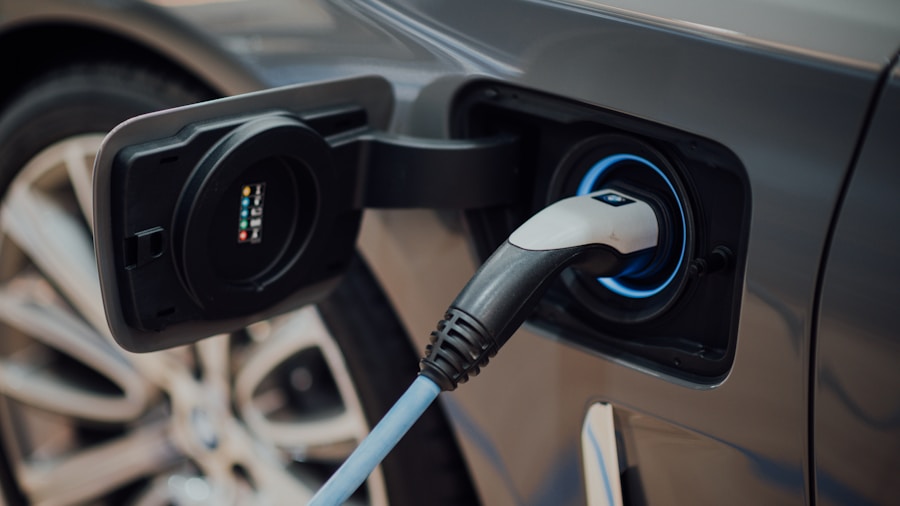
On a more positive note, charging infrastructure continues to improve. Some charging networks are slashing prices by nearly 50 percent for Labor Day promotions, and new flat rate charging options have debuted across certain states. These developments offer some relief for EV owners concerned about operating costs.
Key Takeaways for Shoppers
- Do not purchase a Tesla based primarily on Full Self Driving promises. Treat it as experimental technology that may never fully deliver on stated claims.
- If you already own Full Self Driving, exercise extreme caution when activating these features and remain fully engaged with vehicle control at all times.
- Consider the long term value proposition of autonomous driving features, given ongoing safety incidents and regulatory investigations.
- Evaluate competing electric vehicles on their own merits rather than choosing Tesla for features that remain unproven.
- Monitor charging infrastructure developments, as this area shows genuine progress that benefits all EV owners.
The Cybercab launch represents a critical moment for Tesla and its customers. The company must demonstrate that autonomous driving can be safe and reliable before asking consumers to pay premium prices for these capabilities. Until then, skepticism is warranted.











Write Your Review
No reviews yet. Be the first to share your experience!