

Tesla’s rollout of Full Self-Driving (Supervised) across Europe has hit a significant regulatory setback. The European Union’s Technical Committee on Motor Vehicles will not vote on the autonomous driving system in October as previously anticipated, pushing the decision to December at the earliest. This delay affects millions of potential shoppers and raises questions about when Tesla’s advanced driver assistance technology will be broadly available across European roads.
What Triggered the Delay
Tesla Europe had pointed to October 6 as the target date for a bloc-wide vote following the Dutch vehicle authority’s approval in April. However, the official agenda for the committee’s October meeting shows only a brief 15-minute continuation of discussions, with no decision scheduled. The next voting opportunity now sits in December, creating uncertainty for buyers eager to experience the technology legally in their own countries.
The regulatory framework governing this approval is complex. Tesla received type approval under UN Regulation 171 plus an Article 39 exemption from EU Regulation 2018/858. Other European member states have been recognizing this approval individually, but reaching an EU-wide consensus requires a qualified majority: at least 15 of 27 member states representing 65 percent of the bloc’s population, roughly 292 million people.
Current Availability and What It Means
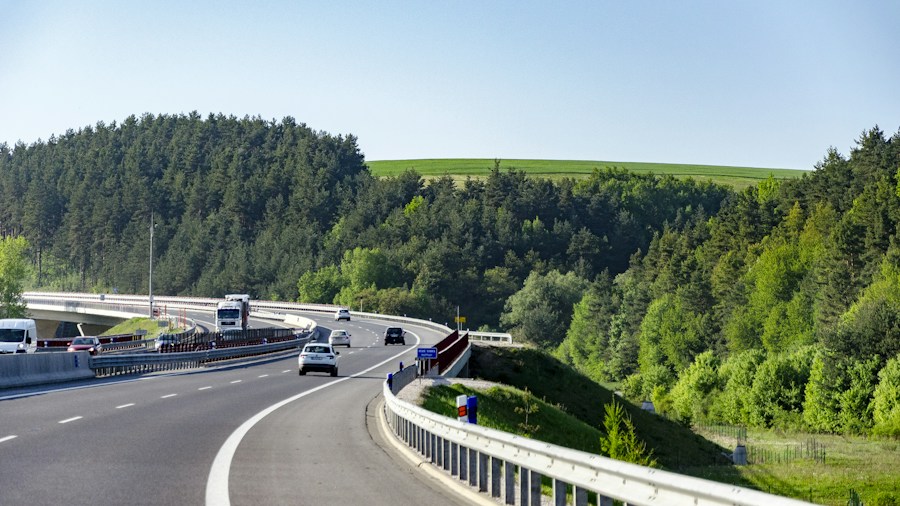
Full Self-Driving Supervised is already operational in seven European countries: the Netherlands, Lithuania, Estonia, Denmark, Belgium, Slovenia, and Czechia. These nations represent about 12 percent of the EU’s population, or roughly 53 million people. Drivers in Prague and Amsterdam can legally use the system today, while shoppers in major markets like Germany, France, Italy, and Spain remain locked out until the EU issues its wider approval.
This patchwork creates a frustrating reality for consumers. Tesla continues expanding its ecosystem with new technologies, yet Full Self-Driving availability depends on geography rather than product capability. The delay particularly stings for buyers in France, which has already rejected the current system, and in other nations citing speed-limit compliance as a key concern.
The Safety Case Behind the Technology
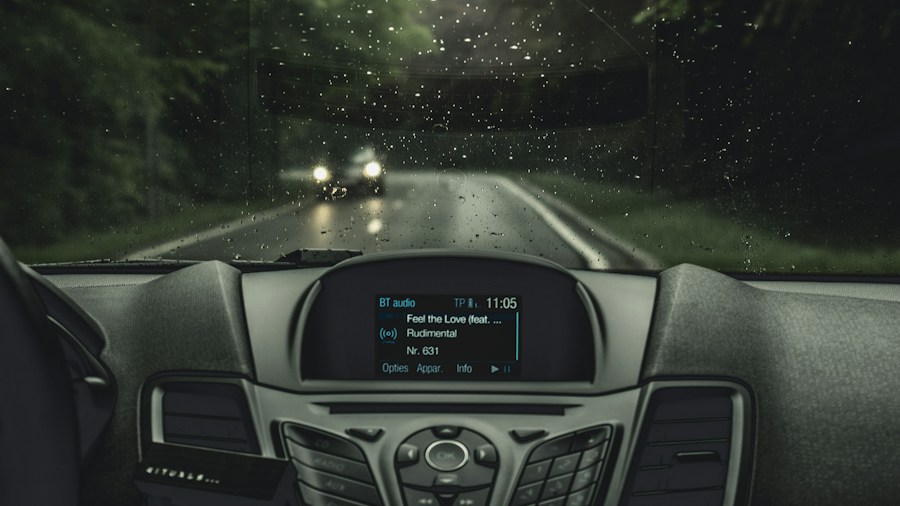
Tesla’s justification for approving Full Self-Driving rests on safety data. As of September, the company reported that more than 70,000 customers were using the system across approved countries, covering over 1 million kilometers daily. According to Tesla’s own analysis, FSD Supervised proved 4.1 times less likely to be involved in a crash than manual driving across 100 million kilometers on European public roads.
Earlier data from the middle of the year showed an even stronger advantage: 5.2 times fewer collisions when examining 65 million kilometers in five approved countries, with zero highway crashes recorded over 41.9 million kilometers. The system also demonstrated fewer harsh acceleration events and abrupt swerves compared to typical manual driving by Tesla owners. It is important to note these figures come from Tesla’s own monitoring and have not undergone independent third-party audits.
European road fatalities underscore why safety improvements matter. The continent recorded roughly 19,400 deaths annually due to road accidents, with human error blamed for most incidents. While Tesla vehicles consistently demonstrate reliable performance, Full Self-Driving Supervised offers a potential layer of protection even though the driver remains legally responsible for the vehicle.
What Shoppers Should Expect Going Forward
The December timeline offers the next realistic window for an EU-wide vote, but approval is far from guaranteed. Germany, France, Italy, and Spain hold decisive influence in reaching the required threshold, and at least one major market has already signaled resistance. Speed-limit compliance remains a sticking point that regulators want clarified before endorsing the technology broadly.
For buyers in approved countries, Full Self-Driving Supervised continues operating legally today. For everyone else, patience becomes necessary. Tesla has not announced any changes to its product roadmap based on this delay, meaning the technology itself remains stable and ready for deployment whenever regulatory approval reaches your market.
The December vote represents a critical moment. A positive outcome would finally unlock Full Self-Driving for hundreds of millions of European drivers, while continued rejection would extend the geographic fragmentation that currently defines access to the system. Shoppers eyeing this technology should monitor announcements from their home countries and stay informed about how their national regulators approach the December decision.











Write Your Review
No reviews yet. Be the first to share your experience!