

A recent investigation uncovered troubling evidence that dozens of Tesla owners are operating their vehicles while asleep, raising serious questions about how the automaker’s advanced driver assistance systems are being misused on public roads. An NBC news report identified at least 43 videos showing Tesla drivers either sleeping or severely distracted while using Full Self-Driving (FSD) software, along with 13 citations in California related to this dangerous behavior. The findings have prompted federal lawmakers to demand answers from regulators about whether Tesla is doing enough to prevent such misuse.
Why This Matters for Tesla Buyers
If you own or are considering purchasing a Tesla equipped with Full Self-Driving or Autopilot, this investigation reveals important gaps between how these systems are marketed and how they’re actually supposed to be used. Despite their names, neither feature removes driver responsibility from the equation. Tesla explicitly states in its user manual that drivers must remain engaged and maintain control of the vehicle at all times. Yet the evidence suggests many owners are ignoring these warnings, and some are even sharing videos of themselves doing so online.
Illinois Representative Raja Krishnamoorthi sent an official letter to the Department of Transportation and the National Highway Traffic Safety Administration (NHTSA) on Thursday, demanding clarification on several critical points. He asked regulators to detail what investigations they’ve already conducted into Tesla’s self-driving systems, what data they’ve collected about misuse, whether Tesla’s current safety measures are adequate, and whether the issue constitutes a broad defect requiring a vehicle recall.
The Technical Safeguards Already in Place
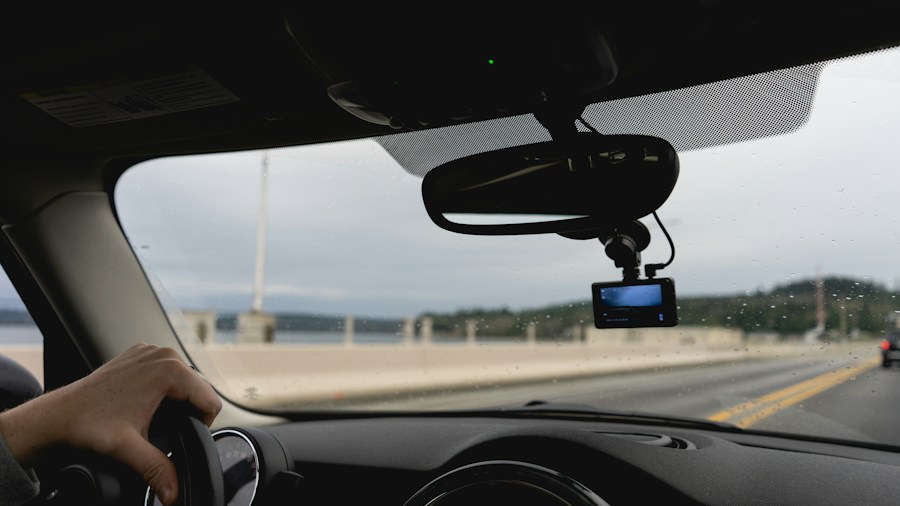
Tesla has integrated multiple layers of protection designed to keep drivers alert. The company’s cabin-facing camera monitors driver attention by tracking eye and head movements. The system also senses steering wheel input and will issue warnings if it detects that a driver isn’t paying attention. For a $99 monthly subscription cost, FSD represents a significant revenue stream, yet these safety measures suggest the company has invested in technology to prevent exactly the behavior documented in the investigation.
However, some resourceful owners have discovered workarounds that defeat these safeguards. Sunglasses can obscure eye-tracking cameras. Dummy heads and photographs placed in front of the camera can trick the system into thinking someone is watching the road. Other methods bypass the camera requirement entirely. By circumventing Tesla’s protections, these drivers are violating both the company’s terms of service and state laws.
A Growing Pattern of Misuse
According to the Tesla owner interviewed by investigators, driver comfort with misusing FSD has increased as the software’s capability has improved. He acknowledged knowingly breaking the law but justified it by saying the technology’s advancement has made the practice seem more acceptable within the owner community. This attitude represents a dangerous mindset shift among some users who may conflate improved performance with reduced responsibility.
The investigation found that 17 of the 43 videos showing unsafe driving were posted in 2025, suggesting the problem is not decreasing. NHTSA currently has an active investigation into 3.2 million Teslas equipped with Full Self-Driving capability in a separate probe. The overlap between these concerns raises fundamental questions about whether Tesla’s detection systems are stringent enough or if the company needs to implement stricter enforcement mechanisms.
What This Means Going Forward
The core issue facing both Tesla and federal regulators centers on a difficult balance. Overly aggressive safety systems that constantly nag drivers to prove they’re paying attention can discourage feature usage. At the same time, systems that are too permissive enable the dangerous behavior documented in this investigation. As Tesla continues rolling out increasingly sophisticated autonomous features, the company must demonstrate that it takes driver monitoring seriously.
For consumers, the takeaway is straightforward: Full Self-Driving and Autopilot are driver assistance tools, not autonomous driving systems. Using them while sleeping, distracted, or otherwise disengaged from the road is illegal and dangerous. As Tesla’s technology ecosystem expands, maintaining safe driving practices remains non-negotiable. Before purchasing or using these features, understand that you remain fully responsible for your vehicle’s operation and the safety of everyone on the road, regardless of how capable the technology becomes.
The federal government’s response to this investigation will likely shape how Tesla and other automakers with similar systems must approach driver monitoring in the future.











Write Your Review
No reviews yet. Be the first to share your experience!