

Tesla is moving closer to offering round-the-clock Robotaxi service, marking a significant shift in how autonomous ride-hailing will operate across the United States. According to recent statements from Tesla’s AI leadership, overnight driverless operations could launch within weeks, expanding the current 16-hour service window that runs from 6 a.m. to 10 p.m. across six major cities.
When 24-Hour Service Could Arrive
Tesla AI lead Ashok Elluswamy indicated this week that full overnight capability is on track for October 2026, pending the rollout of a critical software update. The timeline hinges on merging the next technology module into Full Self-Driving version 15, an architecture described by Tesla as a fundamental leap forward with roughly ten times more computational parameters than previous builds. Early versions of v15 already power the Robotaxi fleet and contain approximately 40 percent of the planned improvements.
Robotaxi service currently operates in Austin, Dallas, Houston, Miami, Orlando, and Tampa. The expansion to overnight hours will test Tesla’s autonomous driving system in lower-light conditions and significantly increase vehicle utilization, a key factor in making the economics of driverless ride-hailing work at scale.
Why Software Must Evolve for Night Operations
A natural question arises: if vehicles already navigate in darkness, why does software need to change? The answer centers on reliability and operational confidence. Tesla has deliberately held back mass fleet expansion until more of the v15 software stack is complete, emphasizing the need for higher confidence before deploying thousands of unoccupied vehicles on streets 24/7.
Overnight service presents unique challenges that differ from daytime operations. Lower light levels, reduced pedestrian and traffic density, and different driving patterns all affect system performance. Tesla’s FSD systems continue to evolve to handle edge cases, and the v15 architecture appears designed to handle the complexities of all-hours operation more robustly than earlier versions.
Infrastructure Changes Coming Too
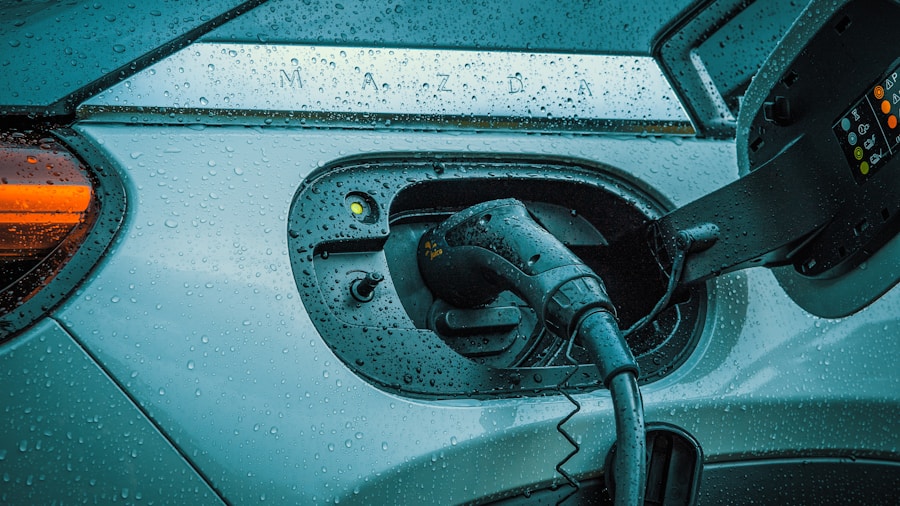
Beyond software, Tesla is preparing the physical infrastructure needed to support round-the-clock operations. The company has already begun using public Superchargers during nighttime hours and is actively constructing dedicated Robotaxi charging sites. These facilities will ensure vehicles can maintain continuous operations without the downtime required by traditional ride-hailing fleets.
Vehicle utilization becomes far more valuable when service runs 24/7. A vehicle sitting idle overnight represents lost revenue potential. By establishing charging infrastructure and optimizing the fleet’s management, Tesla can maximize earning time for each vehicle, improving the unit economics that make autonomous ride-hailing financially viable.
Regulatory Scrutiny Continues
The expansion of Robotaxi service also faces regulatory oversight. The NHTSA has opened inquiries into Tesla’s Cybercab certification process, examining how the company validated vehicles that lack traditional steering wheels, brake pedals, and other conventional controls. This regulatory attention, while potentially slowing deployment, ensures that safety protocols meet federal standards before mass expansion occurs.
Tesla has stated it maintains an impeccable safety record across its autonomous fleet, with more than 380,000 miles logged across six cities and no significant incidents caused by the vehicles themselves. However, regulators want access to this data and full transparency on the company’s certification methods before overnight operations expand nationwide.
What This Means for Riders and the Industry
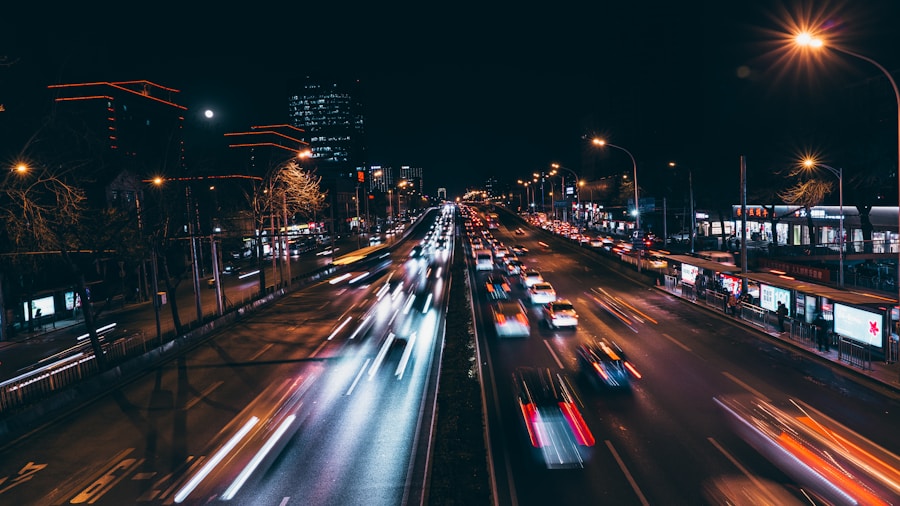
For consumers, 24-hour Robotaxi service represents unprecedented convenience. Late-night transportation without human drivers opens possibilities for commuters, travelers, and anyone needing rides during hours when traditional services operate at reduced capacity or higher prices. The system’s ability to operate unattended vehicles overnight, if it delivers on its promise, could fundamentally reshape urban transportation economics.
The broader implications extend beyond Tesla. A proven, fully autonomous 24-hour network would demonstrate that end-to-end neural networks using camera-based vision systems can safely manage transportation at all hours. This validation could influence how other autonomous vehicle developers approach the technology and regulatory approval timelines.
Next Steps and City-by-City Rollout
Tesla has not yet provided a city-by-city rollout schedule for overnight service, nor has the company confirmed whether the expansion will initially apply to purpose-built Cybercabs, existing Model Y vehicles, or both. The October timeline represents the earliest possibility for certain markets, but broader rollout across all current service regions may take longer.
Riders interested in using overnight Robotaxi service in Austin, Dallas, Houston, Miami, Orlando, and Tampa should monitor official Tesla channels for announcements as the v15 software deployment progresses. The transition from a time-limited pilot to genuine 24-hour autonomous ride-hailing marks the next major inflection point for Tesla’s robotics and autonomous driving ambitions.











Write Your Review
No reviews yet. Be the first to share your experience!