

The automotive service industry is facing a significant workforce challenge that could directly affect how quickly you get your tires serviced and how much you pay for that service. A growing number of experienced automotive technicians are approaching retirement, while training programs are not producing enough new workers to fill the gap. This labor shortage is reshaping the tire and repair shop landscape across the country, and understanding what is happening can help you make better decisions about vehicle maintenance.
Why the Technician Shortage Matters to Tire Buyers
Industry experts estimate that tens of thousands of technician positions need to be filled each year, but the pipeline of trained workers simply cannot keep up with demand. At the same time, Americans are keeping their vehicles longer, which means tire replacements and maintenance services remain constant. This combination of fewer available technicians and steady demand for service creates longer wait times at many shops and potentially higher labor costs passed on to customers.
The shortage is not just an industry problem. For shoppers, it means scheduling a tire rotation or replacement appointment might take weeks instead of days. It also means that shops may have limited availability and less flexibility when you need emergency tire service. Understanding these realities helps you plan ahead and manage expectations when you need work done.
How Shops Are Adapting to Find New Workers
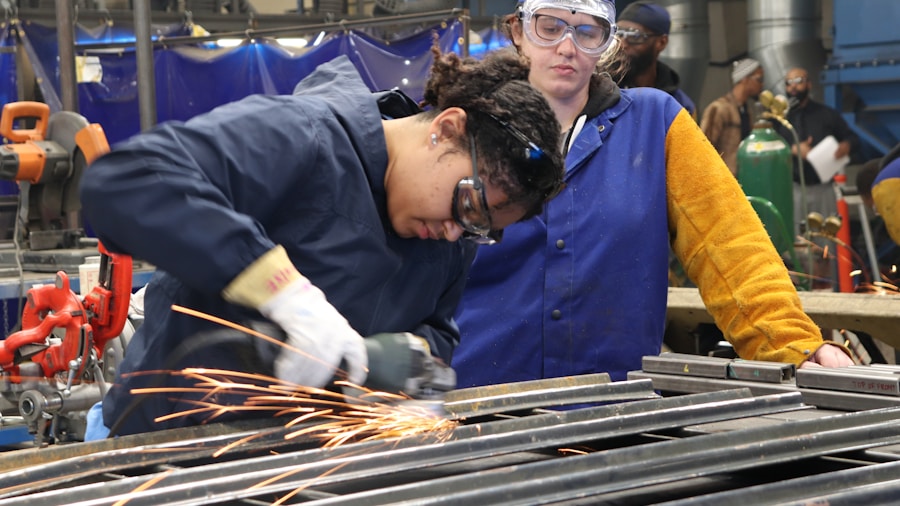
Tire and automotive repair shops are beginning to rethink how they recruit new talent. Rather than waiting for traditional vocational school graduates, many businesses are reaching out to recent college graduates and workers from other industries who might be open to a career change. This shift reflects a broader recognition that the next generation of technicians will not come from traditional pipelines alone.
Shops are also emphasizing the purpose and value of the work. Today’s younger workers want to understand the impact of their job and why it matters. By communicating how tire technicians keep vehicles safe and keep people moving on the road, shops can attract workers who find meaning in the profession. Additionally, training programs and formal apprenticeships are expanding to create clearer career pathways for people entering the industry.
What This Means for Service Quality and Pricing

As shops struggle to fill positions, workplace culture has become increasingly important for keeping technicians employed. Shops that invest in their teams, create positive work environments, and offer competitive pay are more likely to retain experienced staff. For customers, this matters because experienced technicians provide better tire service and diagnosis.
The shortage can also affect pricing. When labor is scarce, the cost of service often increases. However, it also means shops may be more selective about the work they take on and more careful about quality, since they cannot afford to lose experienced team members to mistakes or rework. If you need tire service, getting on a shop’s schedule early and building a relationship with them becomes more valuable than ever.
Planning Ahead for Your Tire Service Needs
Given these industry-wide challenges, smart tire shoppers should adapt their maintenance approach. Rather than waiting until you have a flat tire or notice excessive wear, schedule routine tire rotations and inspections during slower seasons when shops have more availability. Building a relationship with a local shop that prioritizes customer service and quality work will serve you well as wait times lengthen across the industry.
When selecting a tire shop, ask about their technician experience and certifications. Shops that are successfully navigating the labor shortage typically have invested in their team and can demonstrate that investment through certified staff and clear communication. You might also ask how long typical appointments take and whether they offer appointment scheduling far in advance.
Understanding the technician shortage also helps you appreciate why certain service procedures take time, particularly for specialized work like electric vehicle tire service. The shortage is not a reason for poor service, but rather context for why availability and pricing are changing. By staying informed and planning ahead, you can ensure your tire maintenance needs are met without unnecessary frustration.
The automotive industry’s labor challenge is real, but it is also driving positive change. Shops are rethinking how they attract and retain talent, creating better career opportunities for the next generation of technicians. As new products and technologies emerge in the tire market, the technicians who maintain them will be more valuable than ever. For now, the best strategy for shoppers is to stay ahead of maintenance schedules and choose service providers who demonstrate commitment to their teams and to quality work.










Write Your Review
No reviews yet. Be the first to share your experience!