

From Skepticism to Safety: How TPMS Changed the Game
When tire pressure monitoring systems first rolled out, drivers weren’t convinced. A common reaction was resistance: many consumers questioned whether they actually needed this technology and preferred sticking with the old-fashioned approach of checking tire pressure manually. Like many automotive innovations, TPMS faced an uphill battle against familiarity and habit. However, the technology has since earned itself a strong reputation shift, moving from a perceived inconvenience to a genuinely protective tool that savvy shoppers now value.
Why TPMS Matters More Than You Think
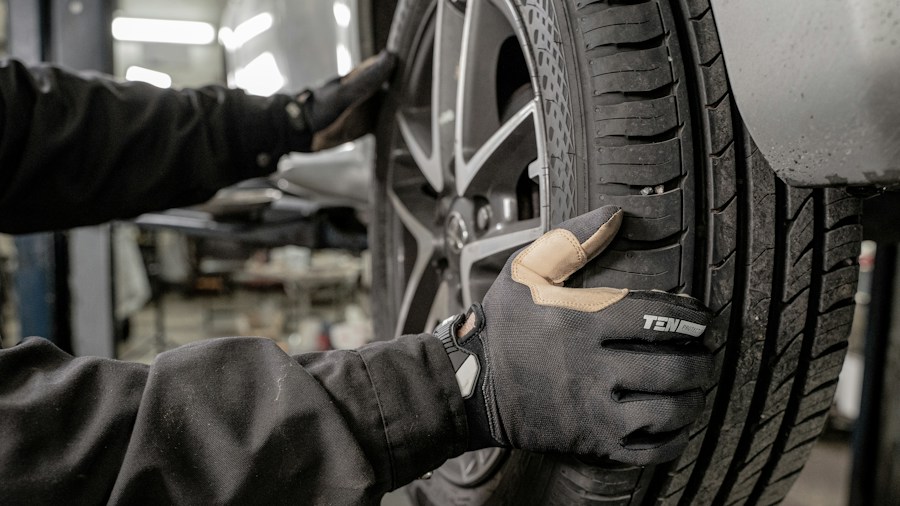
The core purpose of TPMS is straightforward but essential: it provides drivers with an early warning when a tire begins losing pressure. That early detection makes a real difference. Catching a pressure drop before it becomes critical can prevent costly tire damage, preserve your vehicle’s handling characteristics, and help you avoid dangerous road failures. For modern vehicle owners, TPMS functions as a first line of defense against preventable tire problems.
When you understand what TPMS does, the value becomes obvious. Rather than waiting until you notice a handling change or a bulge in the sidewall, the system alerts you to subtle pressure loss that might otherwise go undetected. This proactive approach has transformed how tire professionals and dealerships think about vehicle maintenance, and it’s directly benefiting shoppers who want reliable, safer vehicles.
How Tire Professionals Use TPMS Today
Smart tire shops have integrated TPMS monitoring into their regular workflow, treating it as part of comprehensive vehicle care. When you visit a professional for service, tire retailers increasingly emphasize TPMS strategy as a core part of customer protection, using the technology to demonstrate their commitment to your safety. This shift reflects a broader change in how the industry views customer relationships: it’s no longer just about selling a tire, but about protecting the driver.
The integration of TPMS into shop operations has also changed how technicians diagnose problems. Instead of relying solely on customer complaints, they now have real data about tire health. This means faster identification of issues and more targeted solutions for your specific vehicle.
What This Reputation Shift Means for Your Next Tire Purchase
For shoppers, the TPMS reputation turnaround has practical implications. When you’re shopping for new tires or having your current set serviced, you can expect your dealer or shop to discuss TPMS as part of the conversation. This isn’t an upsell, it’s standard care. If you have a spare tire, you might also want to ask whether it needs TPMS coverage as well, since that’s becoming a more common question among informed buyers.
The technology also connects to broader tire selection conversations. For instance, when choosing between all-season, all-weather, and winter tire options, TPMS data helps your tire professional understand how your vehicle actually performs in different conditions. Geography matters, but so does how aggressively you drive in winter weather and whether you’re willing to switch between tire sets seasonally. Modern tire technology continues to evolve, with TPMS playing a central role in safety systems for everything from traditional vehicles to emerging technologies.
The Bottom Line for Consumers
TPMS has earned its place as a valued safety feature rather than an annoying gadget. The reputation change reflects real-world results: fewer tire failures, better handling performance, and improved peace of mind for drivers. When you’re purchasing tires or discussing vehicle maintenance with your shop, expect TPMS to be part of the conversation. That’s not a sign of unnecessary complexity, it’s evidence that the industry is helping you stay safer on the road.
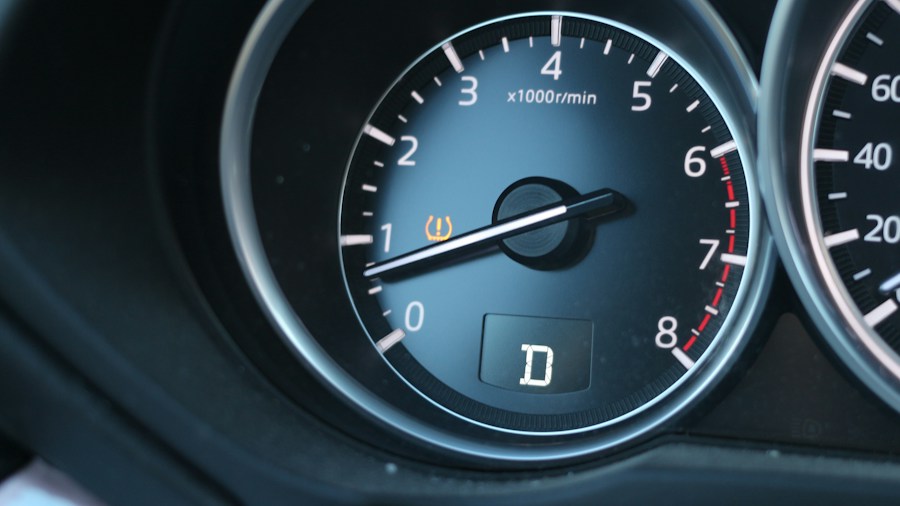
The next time your TPMS warning light comes on, you’ll know exactly what it means and why it matters. That early warning is your vehicle’s way of protecting you, and it’s why this once-questioned technology has transformed into one of the most respected safety systems in modern automotive design.











Write Your Review
No reviews yet. Be the first to share your experience!