

Understanding Why Vibration Persists After Balancing
You took your vehicle to a shop, had the wheels balanced, but when you drive away, that annoying vibration is still there. This frustrating situation happens more often than you might think, and understanding why can help you make better decisions about tire maintenance and service.
Wheel balancing is designed to correct uneven weight distribution around the tire and wheel assembly. When weights are added during balancing, technicians are targeting specific imbalances detected by a machine. However, balancing alone does not account for how your tire behaves once your vehicle’s full weight is pressing down on it. Even when balance readings look perfect on the shop’s equipment, other factors can still create vibration problems.
Tire force variation, imperfections in the wheel itself, or issues elsewhere in your vehicle’s suspension or drivetrain can generate vibration even after a successful balance. This is one reason why shoppers sometimes leave a service feeling like their money was wasted. The truth is more nuanced: the wheels may actually be balanced correctly, but other mechanical conditions are creating the sensation you feel on the road.
The Repeat Spin Test: A Critical Step Technicians May Skip
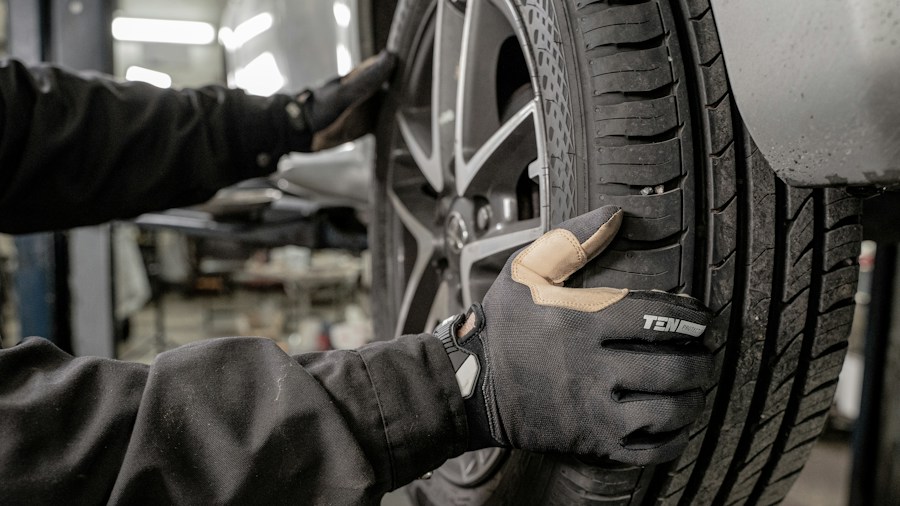
One key practice that separates quality service from rushed work is the repeat spin test. After mounting your wheel on a balancer, a skilled technician should run the machine, note the readings, remove the wheel, and then mount it again for a second spin. This second pass confirms that the wheel is centered properly on the balancer equipment.
If the machine shows different weight amounts or different locations for those weights between the first and second spin, it signals a mounting problem. The assembly may not be sitting correctly on the balancer, which means the initial readings were inaccurate. Skipping this step can lead to unnecessary weight installation and continued vibration complaints after you leave the shop.
When you visit a tire shop, asking whether technicians perform a repeat spin before adding weights is a reasonable question. As tire industry dealer support expands nationwide, more shops are adopting best practices, but not all have implemented this procedure yet. It’s a simple quality check that protects your investment.
Bead Seating and Deflation: Why It Matters for Your Balance
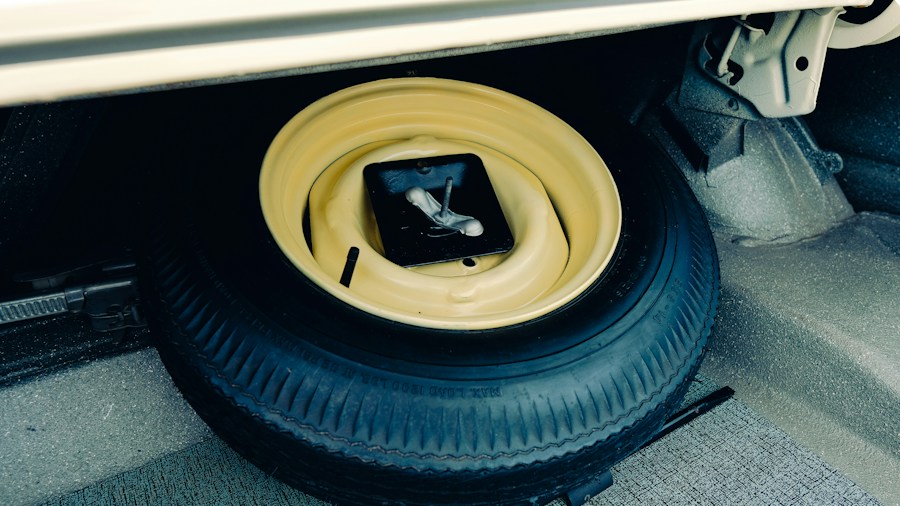
After a tire bead is seated on a wheel, the technician’s job isn’t finished. Industry standards call for the tire to be fully deflated after initial seating, which allows the bead to settle evenly onto the wheel’s bead seat before the tire is reinflated to operating pressure. This step might sound minor, but it directly affects whether your wheels will vibrate on the road.
When the bead is allowed to settle properly after deflation, the tire and wheel assembly stays concentric, meaning it rotates around a true center. If this step is skipped, high spots can develop in how the tire sits on the wheel. These imperfections translate to vibration that you’ll feel in the steering wheel or throughout the cabin while driving.
As suspension parts expansion means better options for your car, ensuring that wheel balancing and installation practices are correct becomes even more important. Your suspension system is already working hard to manage your vehicle’s movement, and improper wheel balance adds unnecessary stress.
What This Means for Your Next Tire Service
The next time you need tires balanced or wheels mounted, you now know what quality service should include. A thorough technician will mount the wheel, run the first balance spin, dismount it, remount it for a repeat spin to verify consistent readings, and deflate the tire after bead seating to ensure proper settlement.
If you’re experiencing vibration after recent wheel service, contact the shop and describe the problem. A reputable shop will investigate without additional charges, checking whether the mounting and balancing were performed using best practices. If the wheels were balanced correctly but vibration remains, the issue may lie elsewhere in your vehicle’s suspension or drivetrain, and a broader diagnostic might be necessary.
As tire shops continue to expand their community involvement, many are also investing in better training and equipment for their technicians. This investment benefits you through improved service quality and fewer repeat visits for the same complaint.
Understanding these technical details empowers you to communicate better with service providers and recognize when you’re receiving thorough, professional work. Your vehicle’s performance and your safety on the road depend on proper wheel balance and installation, so asking questions and holding shops accountable to high standards is always appropriate.











Write Your Review
No reviews yet. Be the first to share your experience!