

The all-new 2027 Jeep Compass is landing in European showrooms with a striking redesign and modern underpinnings, but the base model reveals a disconnect between its rugged appearance and what owners can actually expect under the hood. Here’s what this refresh means for shoppers weighing their compact SUV options.
A Complete Ground-Up Redesign
The 2027 Compass represents a clean break from the previous generation, ditching aging platform architecture in favor of the more contemporary STLA Medium platform. The vehicle has grown by nearly 6 inches in length while gaining 6.3 inches of wheelbase stretch, resulting in a noticeably roomier cabin and cargo area.
The exterior styling takes cues from the boxy design language introduced in the Avenger, delivering an aggressive, angular appearance that emphasizes capability. Sharp headlights, muscular fenders, and a wrap-around greenhouse give the SUV a distinctly tough persona. The interior follows through with distinctive Jeep character, featuring genuine materials, intuitive ergonomics, and a spacious layout that seats five adults comfortably.
Interior Space and Technology
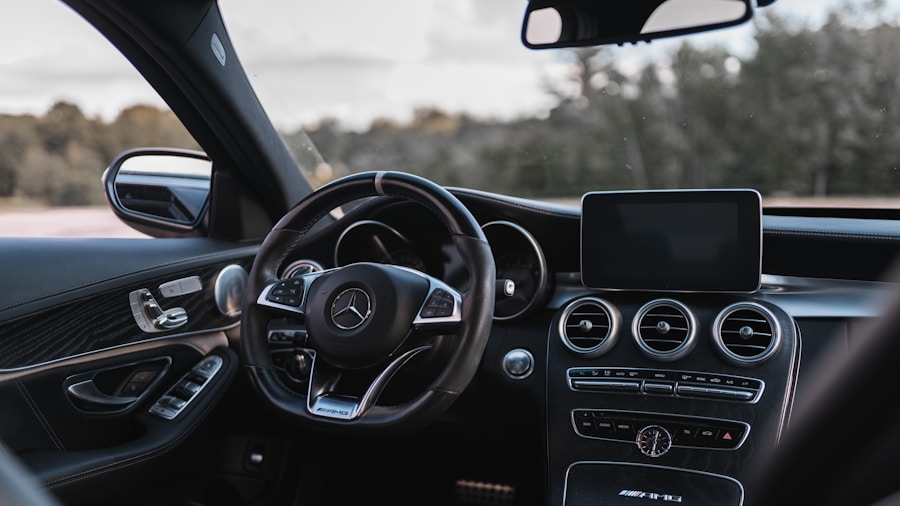
The Compass gains 2.2 inches of rear legroom and a completely flat rear floor, making it genuinely family-friendly. Cargo capacity jumps 25.6 percent to 550 liters, and the designers packed 34 liters of clever storage cubbies throughout the cabin.
The centerpiece is an unusually wide 16-inch freestanding touchscreen infotainment display that delivers crisp graphics and responsive controls, paired with a standard 10-inch digital instrument cluster. The test model included heated, ventilated, and massaging front seats, a 360-degree camera system, matrix LED headlights, and Level 2 driver assistance features. Optional upgrades include a dual-pane panoramic sunroof and a hands-free tailgate.
Power and Performance: Where Problems Emerge
Despite its rugged stance, the entry-level e-Hybrid Compass is strictly front-wheel drive, not all-wheel drive. Power comes from a turbocharged 1.2-liter three-cylinder engine producing 144 horsepower and paired exclusively with a six-speed dual-clutch automatic transmission. Stellantis’ compact powertrains face increasing scrutiny across the brand lineup, and this engine proves adequate for commuting but struggles when drivers demand spirited acceleration.
Jeep claims the mild-hybrid system delivers 29 to 31 mpg, but real-world driving often sees that drop closer to 29 mpg as the engine constantly reaches higher RPMs to maintain pace. The Selec-Terrain drive modes for snow and sand help on slippery pavement, but without a rear differential, genuine off-road capability remains limited. On the road, the Compass feels mature and predictable, though not particularly engaging to drive.
Better Options Exist at Higher Trims
Buyers frustrated by the entry model’s limitations have alternatives. The fully electric variant produces 213 horsepower with front-wheel drive, while the plug-in hybrid churns out 222 horsepower from a turbocharged 1.6-liter engine and electric motor. For serious capability seekers, the top-tier 4xe variant delivers dual electric motors producing 370 horsepower and genuine all-wheel drive with a sophisticated multi-link rear axle, plus off-road specific features like a raised suspension and dedicated 4WD Lock mode.
Industry partnerships continue reshaping how compact SUVs reach North American consumers, and the new Compass demonstrates Jeep’s commitment to electrified options across its portfolio.
Pricing and Market Position
The base e-Hybrid Compass starts at approximately 38,200 dollars in European markets, positioning it above bargain alternatives like the Dacia Bigster at 27,800 dollars but closely matching the Peugeot 3008 at 38,100 dollars. The plug-in hybrid variant jumps to around 53,700 dollars, while the fully electric model begins at 48,800 dollars. These prices reflect the substantial step up from the previous generation and the comprehensive standard equipment list.
The Bottom Line for Shoppers
The new Compass successfully modernizes Jeep’s compact SUV offering with genuine improvements in space, design, technology, and material quality. However, the base e-Hybrid model presents a clear weak link. Its 144 horsepower engine struggles to match the vehicle’s muscular exterior, making real-world satisfaction limited compared to rivals offering more power at similar price points.
Shoppers genuinely interested in compact SUV capability should budget for the plug-in hybrid or fully electric versions, or skip this segment entirely for alternatives offering better performance value. The Compass 4xe remains the standout choice for those prioritizing authentic off-road credentials, but it commands a premium price. For North American buyers, the wait continues as Jeep has not yet announced domestic availability for this completely redesigned generation.










Write Your Review
No reviews yet. Be the first to share your experience!