

Why Truck Cab Corners Rust Faster Than Other Areas
Truck cab corners are prime rust real estate, and for good reason. These lower rear edges of your cab sit in the worst possible location when it comes to corrosion risk. Road salt, moisture, dirt, and debris collect there relentlessly, accelerating rust formation far faster than it occurs on higher or more sheltered truck surfaces. The problem compounds because these corners can hide serious corrosion beneath the surface for months or even years before you spot visible damage.
The real culprit isn’t just exposure to water. Layers of accumulated dirt and mud trap moisture inside enclosed areas, and if drain holes become blocked, that trapped water has nowhere to go. Salty winter runoff is especially destructive on bare metal surfaces. The combination of these factors means that rust can spread from the inside out, sometimes visible only when paint begins to bubble or metal starts flaking.
Identify Rust Before It Becomes a Major Problem
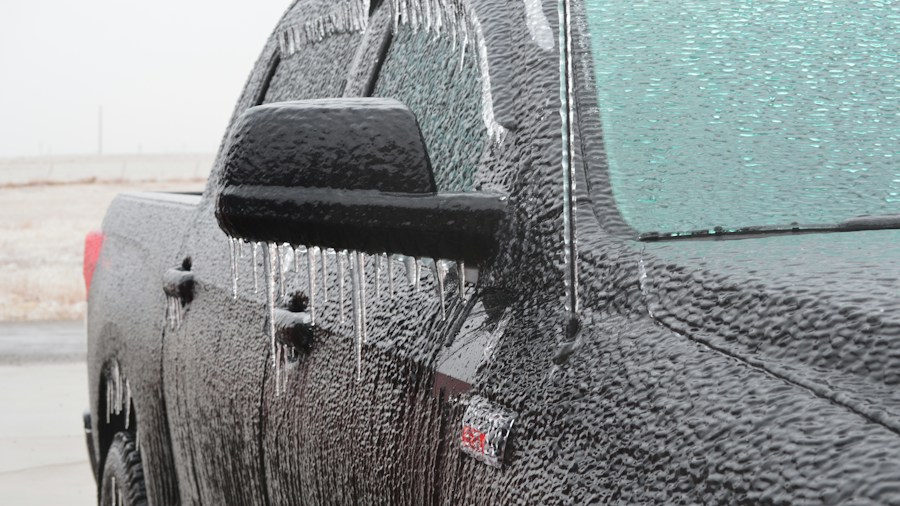
Early detection is your best defense against expensive repairs. Inspect your truck’s cab corners every few months, especially if you live in a snowy or coastal region where road salt is prevalent. Look for bubbling paint, discoloration, or any flaking metal around seams and lower edges. Pay close attention to areas where the protective coating appears chipped or worn. These damaged areas are entry points where moisture and corrosive elements can reach the steel underneath.
Don’t assume what you see is the full extent of the damage. If you notice surface rust, check behind any trim pieces or in hidden crevices where rust may have already progressed further. The longer rust remains untreated, the deeper it penetrates, eventually creating holes in the metal that are far more costly to repair.
Treating Surface Rust Yourself
If you catch rust early and it’s mostly superficial, you can handle the repair yourself without visiting a body shop. Start by removing all loose rust using a wire brush or steel wool. Scrape away any chipped paint or deteriorated coating from the affected area and surrounding zones. Thoroughly clean the spot with a degreaser and allow it to dry completely.
Apply a rust treatment product designed for automotive use, following the manufacturer’s instructions precisely. These treatments chemically convert rust and create a protective barrier. Once the treatment has cured, apply a rust preventative coating and then finish with primer and paint that match your truck’s color. This three layer approach gives your repair the best chance of lasting.
Handle Advanced Rust at a Professional Shop

Extensive rust with visible perforation or significant metal loss requires professional welding and panel work. A qualified body shop can assess whether the damage can be repaired with localized metal work or whether you’ll need to replace an entire panel. Either way, professional-grade corrosion protection after repairs is non-negotiable. Major restoration projects show how quickly rust damage spreads when left unchecked, underscoring the importance of proper professional treatment.
When welding occurs, it exposes bare steel that needs immediate protection. Your shop should restore the specified primer and paint systems and reseal any affected joints to prevent future corrosion entry points. Cavity wax applied to enclosed areas provides additional long-term protection.
Prevent Rust from Returning
Prevention is always cheaper than repair. Wash your truck regularly, especially during winter months when road salt is heavy. Pay special attention to lower body panels and cab corners where salt and moisture accumulate most. After washing, dry these areas thoroughly or allow them to air dry in sunlight.
Touch up any paint chips or coating damage as soon as you notice them. Keep drain openings clear of debris so water doesn’t pool in enclosed areas. Consider applying protective wax or sealant to vulnerable areas, particularly cab corners, before winter arrives. Even older trucks that have been neglected can be restored when proper corrosion prevention measures are finally applied.
If you live in a region with heavy salt use or coastal environment, wash your truck every two weeks during winter rather than monthly. The small investment in frequent washing prevents the conditions that trigger rust formation in the first place.










Write Your Review
No reviews yet. Be the first to share your experience!