

Rain and wet roads present serious challenges for drivers everywhere. One of the biggest risks is hydroplaning, where a layer of water between your tire and the road surface causes you to lose traction. Understanding how modern tire design combats this problem can help you make smarter purchasing decisions and stay safer on the road.
What Hydroplaning Is and Why It Matters
Hydroplaning occurs when water accumulates beneath your tire faster than the grooves can channel it away. When this happens, the tire rides on a thin film of water instead of gripping the asphalt. Even experienced drivers lose control in these conditions because there is no direct contact between rubber and road. This is why tire technology focused on water removal has become increasingly important for all-weather performance.
How Directional Tread Patterns Work
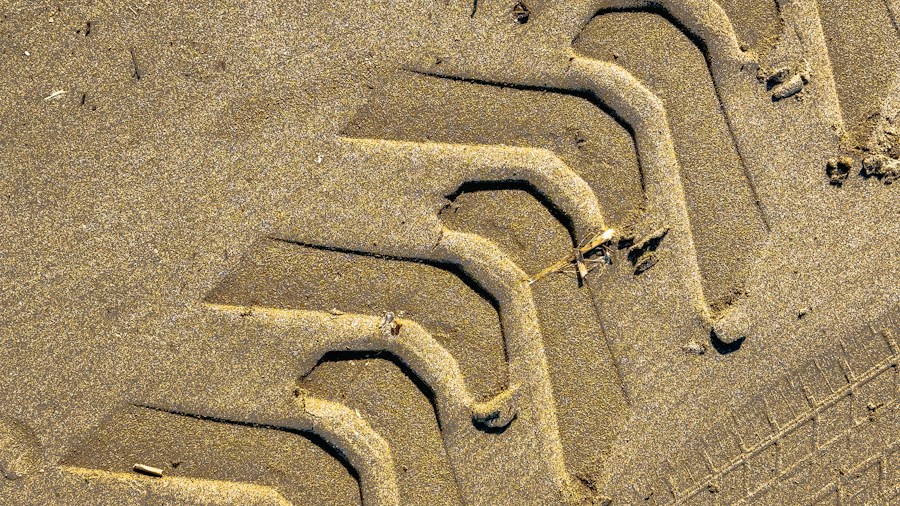
Tire manufacturers have engineered solutions to this problem through directional tread design. Rather than random groove patterns, directional tires feature carefully shaped channels that actively guide water toward the outer edges of the tire, away from the center contact patch where your vehicle actually grips the road.
The contact patch is the critical area where rubber meets pavement. By clearing water from this zone, directional tread patterns maintain consistent grip even in heavy rain. The water is pushed outward and away from the most important gripping surface, allowing your tire to maintain contact with the road instead of sliding on a water layer.
These grooves work like tiny channels in a drainage system. As your tire rotates and moves forward, the design of the grooves naturally propels water outward. This continuous water evacuation process happens thousands of times per minute while you drive, constantly working to keep your tire in firm contact with wet pavement.
Benefits for Modern Drivers
When you invest in tires with advanced directional tread patterns, you gain several advantages. First, hydroplaning risk decreases significantly, which improves your safety in wet conditions. Second, your vehicle handles more predictably during rain, giving you greater confidence behind the wheel. Third, stopping distances on wet roads improve because your tires maintain better grip. Tire technology and vehicle complexity are reshaping what car owners need to know, making it essential to understand these innovations.
All-weather tires with directional tread represent a balance between wet weather performance and durability. These tires can maintain their classic appearance while still delivering the water management benefits that keep you safe. Whether you live in a rainy climate or simply encounter occasional downpours, this technology offers meaningful protection.
What to Look for When Shopping for Tires
When selecting new tires, examine the tread pattern design. Look for clearly defined directional grooves that move water outward from the center. Reputable tire manufacturers invest heavily in research and testing to optimize these patterns, often beginning with virtual simulations before real-world validation at high speeds.
Taiwan tire brands and other manufacturers entering the US market are bringing advanced tread design innovations that complement established options. This expanded market competition means you have more choices than ever before.
Ask your tire retailer or technician about the specific water evacuation capabilities of any tire you are considering. Quality tire sellers prioritize inspections and proper installation to maximize performance. The right tire paired with proper maintenance gives you confidence in wet conditions.
Maintenance Keeps Your Tire Technology Working
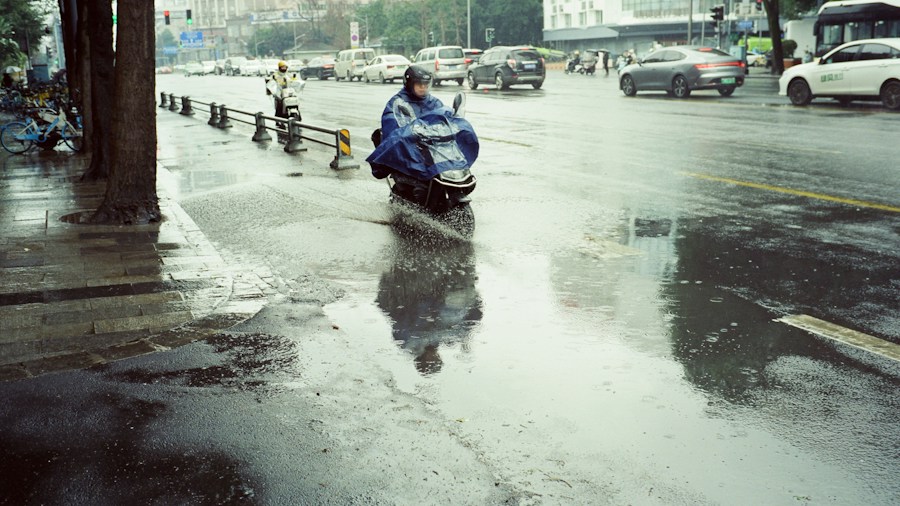
Even the most advanced directional tread design loses effectiveness as your tire wears down. Tread depth directly impacts water evacuation. When grooves become shallow, they cannot channel water as effectively, increasing hydroplaning risk dramatically. Regular tire rotation and inspection help ensure even wear and maximum lifespan for your investment.
Check your tire pressure monthly as well. Underinflated tires wear faster and perform poorly in wet conditions. Properly inflated tires maintain their intended shape and allow grooves to function as designed. Your vehicle’s door jamb or owner manual lists the correct pressure for your specific car.
The Bottom Line for Shoppers
Directional tire tread technology represents genuine progress in automotive safety. By understanding how these grooves work to remove water from your contact patch, you can appreciate why this design matters and make informed choices when it is time to replace your tires. Combined with regular maintenance, modern directional tread patterns provide the wet weather confidence that every driver deserves.











Write Your Review
No reviews yet. Be the first to share your experience!