

The automotive industry is undergoing a profound transformation, and the way tires and related vehicle systems work is changing faster than ever. As vehicles become more complex with electrification, advanced technologies and aging fleets staying on the road longer, consumers need to understand what this means for their maintenance costs and buying decisions.
The Changing Landscape of Vehicle Maintenance
The modern tire ecosystem is no longer just about rubber and tread patterns. Today’s vehicles demand sophisticated aftermarket solutions that begin during the design phase and continue throughout a vehicle’s entire lifespan. This integrated approach means that tire manufacturers and filtration companies are working hand-in-hand to address challenges like battery thermal management and vehicle safety systems that didn’t exist a decade ago.
One critical area affecting tire performance and longevity is tire pressure monitoring systems. Smart tire sensors and monitoring technology are becoming standard equipment, helping drivers maintain proper inflation and catch problems early. Understanding how to service these systems properly can extend tire life and improve fuel efficiency, which matters directly to your wallet.
What Complexity Means for Tire Buyers

An aging vehicle fleet presents unique challenges. Many cars on the road today are older models that now need aftermarket solutions designed with modern engineering principles. This creates both opportunities and complications for consumers. On one hand, manufacturers can apply advanced research and development from original equipment engineering to aftermarket products. On the other hand, the sheer variety of vehicle types, tire sizes and technology specifications means buyers face more options than ever before.
The proliferation of tire choices reflects this complexity. Consumers shopping for tires must now consider not just basic specifications like size and load rating, but also factors like how a tire interacts with vehicle stability control systems, regenerative braking in hybrids, and advanced driver assistance features. This is why staying informed about emerging tire brands and technologies entering the US market can help you make smarter purchasing decisions.
Battery Safety and Thermal Management
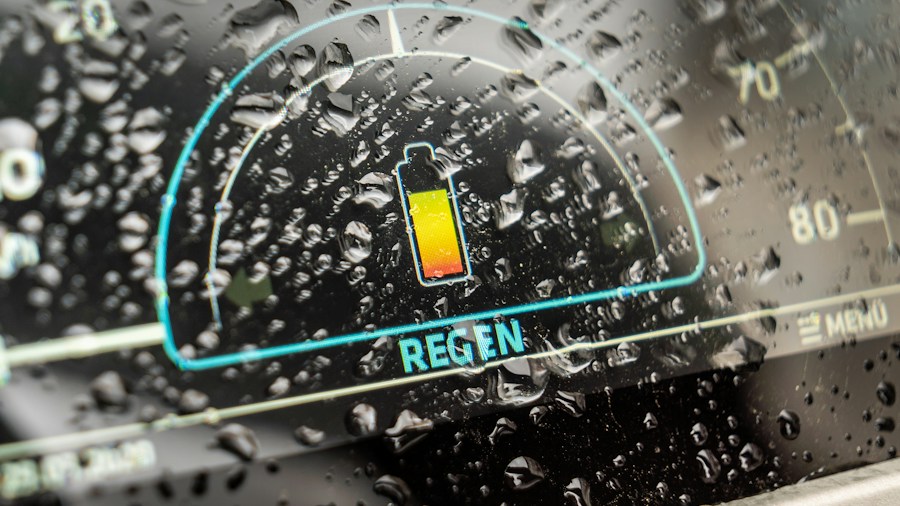
As electric vehicles and hybrid cars become more common, tire and filtration technology must address new challenges related to battery safety and thermal management. This is not trivial. Advanced filtration applications now play a role in protecting battery systems from contaminants and managing heat more effectively. These innovations mean that tire-related maintenance on electric vehicles differs from traditional combustion engine cars, and consumers should expect this difference when purchasing replacement tires or scheduling service.
The Role of Established Brands
Well-known tire and filter brands are leveraging decades of engineering expertise to prepare for these emerging technologies. These established names bring credibility and proven quality to the aftermarket, which matters when you are deciding where to spend your money. Whether you choose a tire from a familiar brand or explore newer options, understanding that major manufacturers are actively investing in innovation and sustainability should give you confidence that your purchase supports continued improvement.
Practical support for tire buyers is also evolving. Services like community tire retailers offering deals and benefits alongside routine maintenance demonstrate how the industry is becoming more customer focused.
What This Means for Your Next Tire Purchase
The key takeaway for shoppers is straightforward: tire technology and vehicle systems are more interconnected than ever. When selecting new tires, consider not just the basic fit for your vehicle, but also the advanced features and capabilities that support modern safety and efficiency systems. Ask your tire retailer or service technician about how a tire option interacts with your specific vehicle’s technology package.
Additionally, predictive analytics and vehicle data are becoming increasingly important. Many service centers now use diagnostic tools to evaluate tire condition and predict future maintenance needs before problems occur. Taking advantage of these services can save you money by catching issues early and ensuring you replace tires at the optimal time rather than in emergency situations.
The transformation of the automotive industry does not have to feel overwhelming. By staying informed about how tire technology connects to broader vehicle systems and understanding the engineering expertise behind established and emerging tire brands, you can make confident purchasing decisions that deliver value and performance for years to come.










Write Your Review
No reviews yet. Be the first to share your experience!