

Float Plane ATV Delivery in Alaska Demonstrates Unique Supply Chain Solutions
A viral video from Alaska recently captured an unconventional delivery method that has shoppers and enthusiasts talking: a full-size ATV strapped directly to the float of a de Havilland Canada DHC-2 Beaver bush plane. The footage shows the aircraft landing on Shirley Lake in Alaska with a Polaris Sportsman 450 secured to one side of the plane’s float, serving as a delivery vehicle for the Loli Oli Lodge, an adventure, fishing, and hunting guide service located north of Anchorage.
For shoppers in remote areas without road access, this delivery method highlights how retailers and service providers are solving the last-mile problem in truly isolated locations. The image of a full-size all-terrain vehicle balanced on an aircraft’s float raises important questions about logistics, equipment durability, and how recreational products are transported to hard-to-reach destinations across the country.
What the ATV Delivery Method Reveals About Product Durability
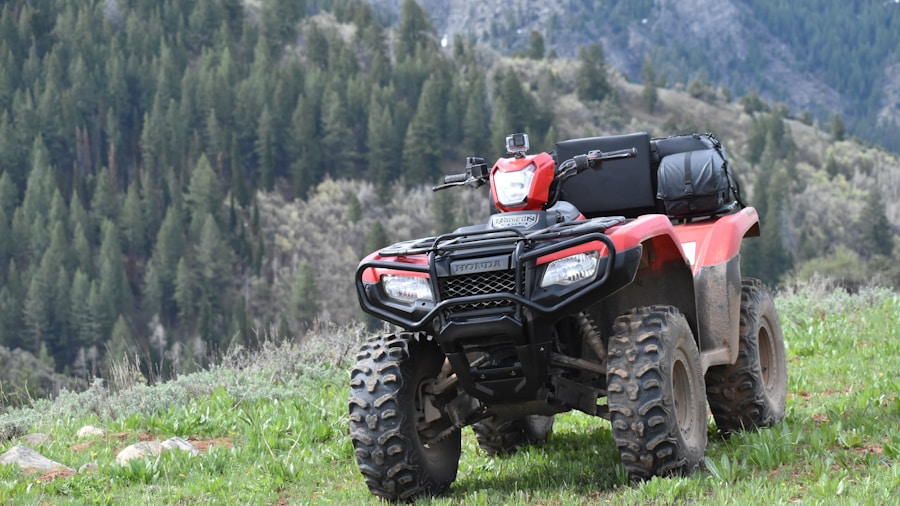
The Polaris Sportsman 450 featured in the delivery weighs approximately 750 pounds and includes a 499cc liquid-cooled engine, 4WD capability, and significant payload capacity. The fact that this machine was successfully secured and transported via aircraft without damage speaks to modern ATV construction quality and the engineering that allows these vehicles to withstand demanding conditions.
The attachment method used standard ratchet straps, the same type many consumers use to haul recreational vehicles on trucks and trailers. This suggests that properly secured ATVs can handle unconventional transportation scenarios. Once delivered to Shirley Lake, the ATV was immediately driven off the plane’s float, demonstrating that the vehicle’s mechanical systems remained fully functional despite the unusual delivery journey. For buyers considering purchases, this real-world example underscores how well-built recreational vehicles can endure extreme circumstances.
Understanding ATV Delivery Challenges in Remote Alaska
Alaska’s remote communities face unique supply chain obstacles. Many lodges, hunting camps, and wilderness facilities exist miles from any road system. Float planes represent the primary transportation infrastructure for goods, equipment, and supplies into these areas during much of the year. Purchasing an ATV for use at a remote facility requires creative solutions to overcome geographic isolation.
Shoppers in remote regions should understand that their product delivery options differ significantly from urban or suburban consumers. While most ATV purchases are delivered by truck to local dealerships, buyers operating in wilderness areas need to explore specialized logistics partners and aviation services. Polaris has expanded programs to support riders across diverse environments, including guidance for buyers in non-traditional markets.
Practical Considerations for Remote ATV Owners

Buyers purchasing ATVs for remote properties should consider several factors beyond standard buying criteria. Equipment must be robust enough to handle unconventional transportation, resistant to weather extremes, and capable of operating independently once delivered. ATVs used in remote lodges typically serve multiple purposes: transportation, equipment hauling, and recreational activities for guests.
The Sportsman 450 appears ideally suited for these demands, offering both utility and reliability. Its 4WD system handles rough terrain, and its cargo capacity supports the operational needs of remote facilities. For shoppers in similar situations, evaluating an ATV’s durability and multi-purpose capability becomes more critical than for consumers with standard transportation needs.
What Remote Delivery Methods Mean for All Buyers
While most consumers will never transport an ATV via bush plane, this viral story illustrates broader trends in product delivery and logistics innovation. Manufacturers continue expanding their commitment to supporting riders in diverse regions, and delivery infrastructure continues evolving to serve specialized markets.
For shoppers evaluating ATV purchases, this story reinforces that modern recreational vehicles are engineered to withstand demanding real-world scenarios. Whether you’re buying for local use or eventual delivery to a remote location, today’s ATVs represent durable investments capable of handling extreme conditions and unconventional logistics. As rural and remote areas continue developing tourism and outdoor recreation infrastructure, innovative delivery solutions like those used in Alaska will likely become increasingly important for powersports retailers and consumers alike.










Write Your Review
No reviews yet. Be the first to share your experience!