

The automotive and aerospace sectors are colliding once again as speculation about a potential Tesla and SpaceX merger gains momentum heading into critical earnings reports. Elon Musk’s two companies have increasingly intertwined their technology, most visibly demonstrated at the recent Tesla Roadster unveiling near Waco, Texas, which featured SpaceX cold gas thrusters and pressure vessels. For Tesla buyers and potential investors, understanding what a merger could mean requires looking at both the financial realities and the engineering collaboration already underway.
What’s Happening Right Now
SpaceX is set to report third-quarter earnings, with analyst consensus projecting approximately 12.89 billion dollars in revenue and an adjusted EBITDA near 6.62 billion dollars. If accurate, this would represent roughly 65 percent growth from the previous quarter and mark SpaceX’s first profitable quarter since going public. The company priced its record IPO at 135 dollars per share, which initially spiked to 225 dollars before settling around the 145 dollar range in recent trading.
A day after SpaceX reports, Tesla follows with its own third-quarter earnings call on October 21. The company has already disclosed 486,532 deliveries and 13.7 gigawatt-hours of storage capacity for the quarter. Consensus estimates place earnings per share between 43 and 45 cents on approximately 27.8 billion dollars in revenue. However, analysts suggest that forward-looking guidance on Robotaxi expansion, full self-driving capabilities, and Optimus robot production will matter far more to investors than the headline numbers.
The Merger Question Looming Over Both Reports
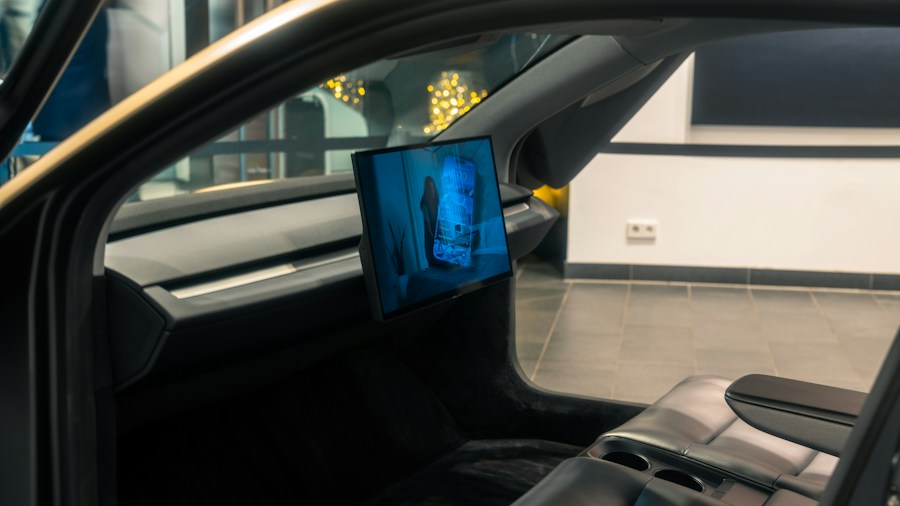
Barclays analysts have outlined a specific scenario: SpaceX could acquire Tesla through an all-stock deal, with Tesla shareholders receiving SpaceX shares at a premium. Using market valuations of roughly 2.1 trillion dollars for SpaceX and 1.5 trillion dollars for Tesla, the deal would need to be announced by late October or early November to secure a shareholder vote at Tesla’s December 6 annual meeting. If combined, Elon Musk would hold approximately 37 percent of the merged company while controlling about 56 percent of voting power.
The Roadster demonstration added tangible fuel to these merger conversations. Multiple analysts noted that featuring SpaceX thruster technology on a Tesla vehicle signals deeper integration than previously visible. Wedbush analysts called the event a moment that puts the Tesla and SpaceX relationship squarely on the table for investors to consider. Gene Munster from Deepwater Asset Management described the demo as engineering prowess aimed partly at showing that Musk wants the two companies unified.
Musk himself has avoided making direct statements about a merger since the Roadster event. His clearest comment came at the All In Summit, when he suggested that with so much collaboration already happening between the companies, combined action is difficult to rule out. However, he explicitly stated during Tesla’s previous earnings call that mergers and similar corporate actions cannot be discussed during earnings calls, so a definitive answer should not be expected on October 21.
What This Means for Tesla Buyers and Shareholders
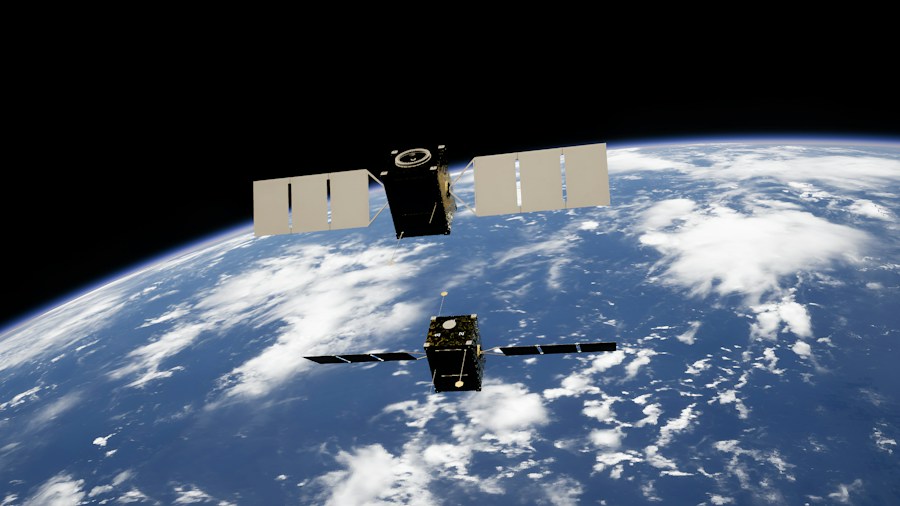
If a merger were to occur, the timing and financial strength of both companies would directly impact the terms offered to Tesla shareholders. A strong SpaceX earnings report combined with controlled capital expenditure would make the exchange of Tesla shares for SpaceX stock easier to justify. Conversely, heavy capital spending coupled with a declining stock price would complicate negotiations significantly.
The SpaceX business profile shows aggressive investment in artificial intelligence and satellite infrastructure, with management targeting more than 2 gigawatts of compute capacity by year end and a 100 billion dollars annualized revenue run rate. Tesla itself expects capital expenditures exceeding 25 billion dollars in 2026, suggesting that a combined entity would pursue extraordinarily capital-intensive growth across multiple industries.
For drivers considering Tesla vehicle purchases, a SpaceX merger would theoretically unlock advanced propulsion and aerospace technology for future products. The Roadster’s integration of SpaceX thruster systems demonstrates that the technical groundwork already exists. However, such a combination would also mean Tesla shareholders gain exposure to satellite internet, compute infrastructure, and space launch operations alongside their automotive investment. Tesla Roadster owners are expected to receive autonomous stunt capabilities as part of upcoming software updates, suggesting manufacturers are already exploring unconventional features.
The Regulatory and Operational Wild Card
Tesla’s Cybercab autonomous taxi service faces a regulatory hurdle that could shape investor sentiment heading into the earnings call. The National Highway Traffic Safety Administration has demanded sworn answers about how the pedal-free Cybercab meets federal safety certification standards, with responses due nine days after Tesla’s earnings call. Whether this regulatory question surfaces during the live Q&A remains uncertain, but it represents a meaningful wild card for shareholder discussions.
Tesla has expanded Cybercab operations significantly since the last earnings report, growing from approximately 40 vehicles in Austin to over 300 in just 30 days, with Dallas announced as the next launch city. This acceleration suggests that retail and institutional investor questions have shifted from asking when autonomous taxi services will launch to asking how quickly they will scale.
The next few weeks will clarify merger intentions through both corporate earnings and potential announcements. SpaceX’s results will establish current valuation benchmarks, while Tesla’s guidance will signal whether management intends to pursue aggressive growth independent of or in preparation for a combination. For automotive shoppers and Tesla investors, watching both reports and any related announcements offers crucial context about where the company is heading.





Write Your Review
No reviews yet. Be the first to share your experience!