

Dodge Challenger Widebody Kit Takes Street Presence to New Heights
Liberty Walk, the Japanese tuning house known for aggressive body modifications, has unveiled a completely transformed Dodge Challenger finished in fighter jet gray. This showcase build represents the latest evolution of the LB-WORKS widebody package, a formula that has redefined how enthusiasts think about performance modifications and stance customization.
The foundation for this build is an early third-generation Challenger, the mainstream muscle car that Dodge produced from 2008 through 2024 with powerplants ranging from six cylinders to the legendary 1,025-horsepower Demon 170. Rather than starting from scratch, Liberty Walk preserved the core structure and rebuilt the exterior into something that turns heads at every stoplight.
What the LB-WORKS Kit Includes
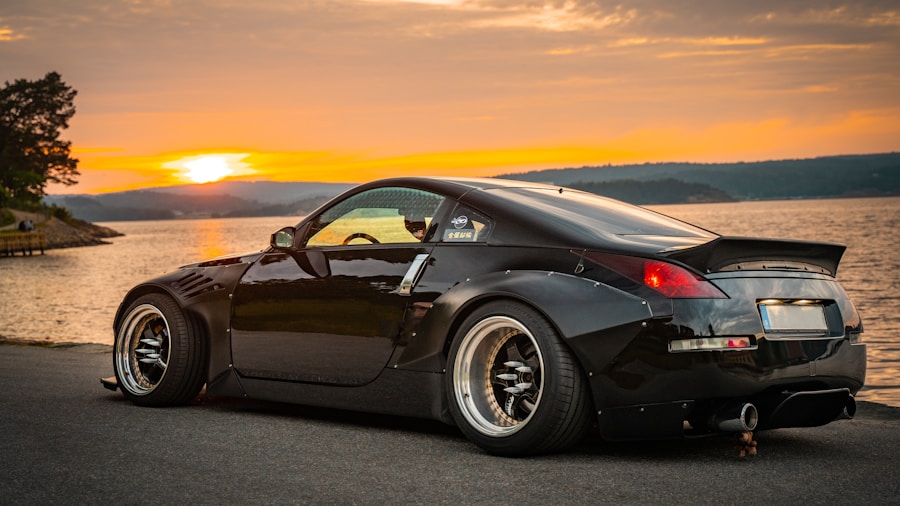
The complete body transformation packages front and rear fenders stretched dramatically beyond factory width, paired with an open-vent hood design that channels air while announcing the vehicle’s aggressive intent. A front splitter and three-piece ducktail spoiler complete the aerodynamic statement, all secured with exposed rivets in Liberty Walk’s signature style.
Unlike traditional widebody kits that blend panels seamlessly into existing sheet metal, these components bolt visibly onto the car’s frame, creating an industrial aesthetic that appeals to builders who celebrate the modification process itself. The kit sits atop black Y-spoke wheels that emphasize the lowered stance, which comes courtesy of an adjustable air suspension system. This setup allows the Challenger to drop dramatically for photo opportunities and rise back to street-legal ride height for daily driving.
For shoppers considering aftermarket body work, this approach offers important lessons. The widebody modification industry continues to evolve, with more kits available than ever before, yet not all upgrades preserve the car’s practicality or resale potential.
Performance and Mechanical Considerations
One critical advantage of Liberty Walk’s approach is what it does not modify. The Challenger’s original frame, suspension geometry, and core systems remain untouched. The widebody panels bolt directly to existing attachment points rather than requiring structural reinforcement or surgery to the vehicle’s bones.
The demo car featured here runs a custom variable-valve exhaust that delivers a muscular soundtrack without pushing for extreme horsepower levels. This measured approach keeps the modification focused on visual impact and driving character rather than chasing dyno numbers that require additional engine work, tuning, and potential reliability compromises.
Buyers evaluating widebody kits should understand that ground clearance becomes a real concern. The aggressive dropped stance in this build looks stunning but demands careful navigation of parking lot curbs, speed bumps, and rough pavement. The adjustable air suspension solves this problem elegantly, yet adds complexity and maintenance requirements compared to a stock suspension.
What This Means for Dodge Shoppers
The Challenger’s fourteen-year production run created a massive aftermarket ecosystem. As new performance models continue to emerge, older Challengers are attracting tuners and builders who view them as affordable platforms for customization.
Liberty Walk’s fighter jet livery and stance prove that Dodge’s third-generation Challenger still captures imagination a decade and a half after its launch. The muscular proportions that defined the original design actually work well as a foundation for widebody treatments. Unlike some vehicles where extreme modifications feel grafted-on, this Challenger appears to wear its new skin naturally.
However, shoppers hunting for their own Challenge to modify should approach with realistic expectations about resale value. While a clean, well-executed build enhances a car’s presence and appeal within enthusiast circles, it does not guarantee higher pricing when the time comes to sell. Some buyers prioritize stock originality, and exotic modifications can narrow the potential buyer pool significantly.
The adjustable air suspension, exposed rivets, and dramatic stance work beautifully for car shows and social media content. For everyday street driving, they require ongoing maintenance, occasional clearance compromises, and acceptance that the vehicle will draw constant attention, both welcome and unwelcome.
The Takeaway for Performance Enthusiasts
Liberty Walk’s approach offers a masterclass in how modern customization balances visual drama with mechanical simplicity. The kit maintains the Challenger’s original reliability potential while completely transforming its appearance. Whether investing in classic vehicles or modern performance cars, buyers benefit from understanding what modifications preserve functionality and which ones introduce complications.
If you are considering a similar build for your own Dodge, evaluate your priorities honestly. Do you value show-stopping presence enough to accept maintenance complexity and ground clearance concerns? Will the modification serve your actual driving needs, or will it live mostly in photos? These questions matter far more than the availability of aftermarket kits. The Challenger’s proven platform and extensive modification catalog mean you can build virtually any vision, but the best results come from owners who understand the tradeoffs their choices create.










Write Your Review
No reviews yet. Be the first to share your experience!