

The Market is Moving Toward Bigger Tires
The automotive landscape is changing, and your next vehicle may well roll on larger tires than you expect. Over the past two decades, the tire industry has witnessed a significant transformation in what sizes dominate new vehicle sales. Where 16-inch and 17-inch tires once ruled the road, shoppers today increasingly encounter 20-inch, 21-inch, and even 22-inch fitments on everything from sport utility vehicles to compact crossovers.
This shift reflects broader trends in how vehicles are being designed and marketed. As SUVs, CUVs, and light trucks have grown in both physical size and performance capability, automakers have responded by equipping them with larger diameter wheels and tires. Today, fitments of 20 inches and larger account for roughly 30 percent of all new vehicle production, and that share continues to climb year over year.
Why Larger Tires are Becoming the Standard
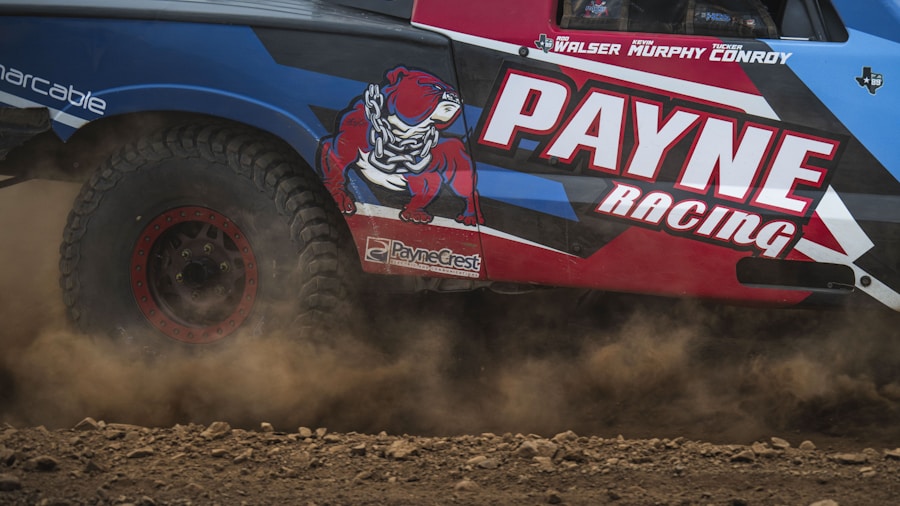
The move toward bigger tires is not arbitrary. Modern performance-focused light trucks and utility vehicles demand wheels and tires that can support their weight, handling dynamics, and on-road presence. Larger diameter fitments provide better visual proportion to these increasingly imposing vehicles while also contributing to improved braking response and steering feedback. Additionally, automakers use tire size selection as a tool to differentiate trim levels and create a more premium feel for higher-end models.
The trend extends beyond the traditional 20-inch size. According to recent market data, 21-inch and 22-inch fitments are growing even faster than their predecessors. This acceleration suggests that premium and performance-oriented segments are leading the charge, with consumers in these categories actively seeking the aesthetic and performance benefits that larger tires deliver. New tire and suspension parts continue to expand for popular vehicles, giving shoppers more variety in these larger sizes than ever before.
What This Means for Tire Shoppers
If you are in the market for a new vehicle, understanding these size trends can help you make informed decisions about your purchase. Larger tires come with their own set of considerations. They typically carry higher price tags than smaller fitments, which can impact both the purchase cost of your vehicle and the price of replacement tires down the road. Additionally, tire cracking can happen even with good tread, making it important to understand proper maintenance regardless of fitment size.
Shoppers should also consider the real-world implications of larger tires on fuel economy and ride comfort. While bigger tires may offer improved handling characteristics and a sportier stance, they can also result in slightly reduced fuel efficiency compared to smaller options. The ride quality may feel firmer on vehicles equipped with large diameter wheels and performance-oriented tires, especially on rougher road surfaces.
The Impact on Tire Retailers and Dealers

For those in the tire retail business, these trends represent both an opportunity and a responsibility. Dealers who want to meet customer demand must ensure they stock a comprehensive range of 20-inch and larger fitments. This represents a significant shift from inventory strategies of the past, where retailers could focus primarily on 16-inch and 17-inch sizes.
Tire professionals now need to be educated about the broader selection of premium and performance-oriented fitments. Stocking decisions, warehouse space allocation, and vendor relationships must all adapt to reflect the new reality of the market. Retailers who anticipate and meet this demand will be better positioned to serve their customers when they arrive ready to purchase replacements.
Looking Ahead
The trend toward larger tire fitments shows no signs of reversing. As vehicles continue to evolve in size and performance focus, and as consumer preferences shift toward sportier and more commanding road presence, demand for 21-inch, 22-inch, and potentially even larger options will likely continue expanding. Shoppers, retailers, and manufacturers all need to understand and adapt to this changing landscape. Whether you are buying a vehicle, managing tire inventory, or simply trying to understand what your next replacement tire purchase might look like, the move toward larger fitments is a key development worth paying attention to.










Write Your Review
No reviews yet. Be the first to share your experience!