

The recreational vehicle market continues to evolve, and a major shift toward sustainability is now impossible to ignore. Recently, at one of Europe’s largest camper and RV exhibitions, German manufacturer Dethleffs unveiled a concept vehicle that challenges conventional thinking about what an RV can offer modern travelers seeking both comfort and environmental responsibility.
The C.Core concept represents a significant leap forward in how manufacturers approach the intersection of luxury camping and eco-conscious design. Built on Volkswagen’s latest commercial van platform, this camper introduces technology and systems that go well beyond what typical RV buyers have come to expect from their vehicles.
What Makes This RV Concept Stand Out
At first glance, the C.Core appears to be a contemporary European-style camper with a sleek exterior. However, its appeal extends far beyond aesthetics. The construction uses lightweight aluminum throughout, a practical choice that reduces overall vehicle weight and improves fuel efficiency. For RV shoppers concerned about operational costs and environmental impact, this approach addresses both priorities simultaneously.
Inside, the space feels more like a thoughtfully designed modern apartment than a traditional camper. The upholstery and interior materials emphasize sustainability, using eco-conscious fabrics throughout. The design palette is contemporary and welcoming, with particular attention paid to details like a luxury-level shower area that looks more suited to a high-end resort than a mobile home.
Advanced Technology Systems That Matter

The real innovation lies beneath the surface. The C.Core comes equipped with 600-watt photovoltaic solar panels mounted on the roof, providing power for onboard electronics and charging a 400-ampere-hour lithium battery system. For RV enthusiasts considering extended trips away from traditional campgrounds, this power generation capability represents genuine autonomy.
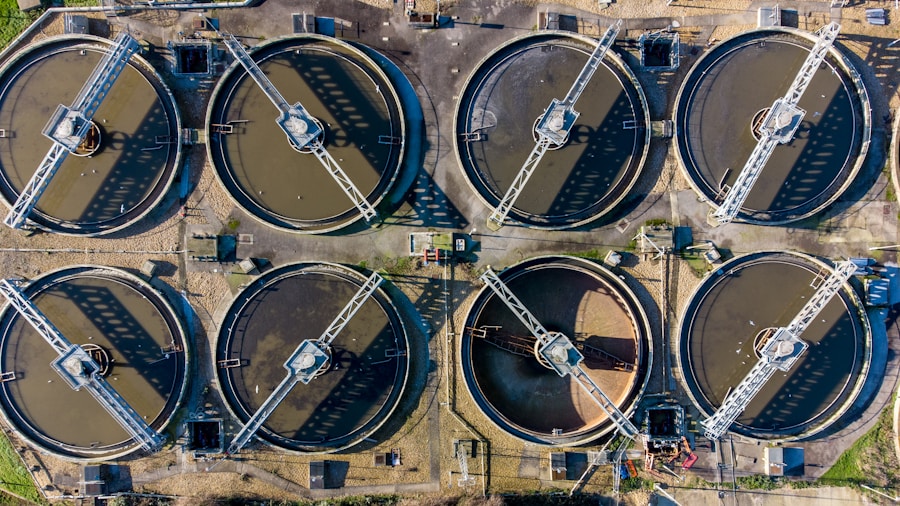
Perhaps even more impressive is the closed-loop water system, which uses a multi-stage filtration process to recycle water. According to the manufacturer, the filtered water quality exceeds standard tap water standards. This system operates maintenance-free, eliminating the need for regular filter replacements. The implications for remote camping and boondocking are significant, as this technology reduces dependence on external water sources.
An auxiliary heating system that runs on recycled vegetable oil rounds out the sustainability package. This approach converts cooking waste into usable fuel, demonstrating how modern RV systems can minimize environmental impact while maintaining comfort levels.
What This Means for RV Shoppers
As the RV market faces challenges that expose operational gaps at dealerships, concepts like the C.Core signal where the industry is heading. Manufacturers are recognizing that today’s RV buyers want more than just a vehicle for weekend trips. They seek integrated systems that reduce maintenance burden, lower operating costs, and align with their values.
The emphasis on smart technology also mirrors broader consumer trends. Just as homes are becoming smarter with connected systems, RVs are following suit. Features that self-monitor, require minimal maintenance, and operate efficiently appeal to consumers who want reliability without constant upkeep demands.
For shoppers considering their RV options, the C.Core concept raises important questions worth asking current manufacturers. Are RV builders investing in solar power and battery technology? What water systems do they offer? How do their approaches to sustainability compare? These questions should become part of the standard RV purchasing conversation.
Understanding boondocking capabilities has become increasingly important for RV buyers, and vehicles with robust power generation and water recycling systems enable extended trips in remote locations. The C.Core demonstrates that these capabilities can coexist with luxury and modern design.
Current Status and Future Availability
It’s important to note that the C.Core remains a concept vehicle. However, the manufacturer has indicated plans to integrate various features from this concept into future production models. This suggests that some of the technologies showcased, such as advanced solar systems and water recycling, could become available options in upcoming RV releases.
The timing of this concept announcement reflects broader industry momentum. As consolidation in the RV parts sector accelerates, manufacturers may gain better access to advanced components that support these sophisticated systems. This could speed the transition from concept to production reality.
For consumers in the market for an RV, this concept serves as a reminder that the market is actively evolving. Sustainable features, smart technology integration, and maintenance-free systems are transitioning from luxury extras to expected standards. Shoppers should prioritize manufacturers demonstrating commitment to these innovations when evaluating their options.











Write Your Review
No reviews yet. Be the first to share your experience!